MSI Creator Z16 A11UET-287 RAM upgrade specifications


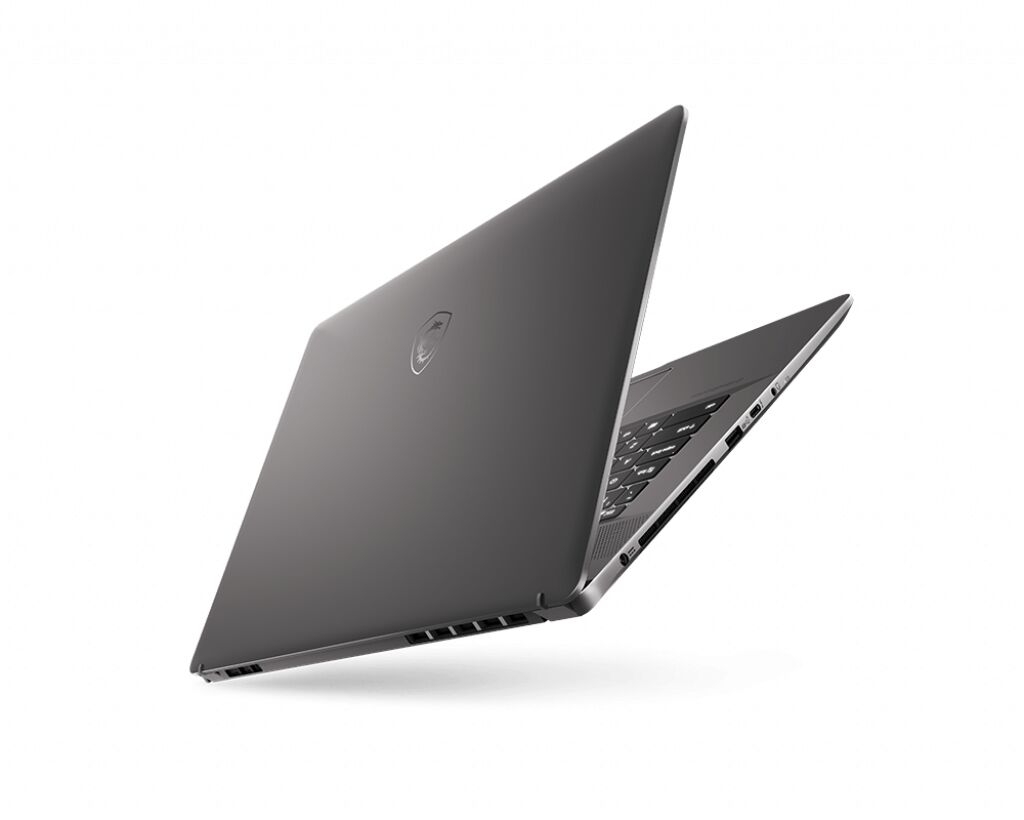
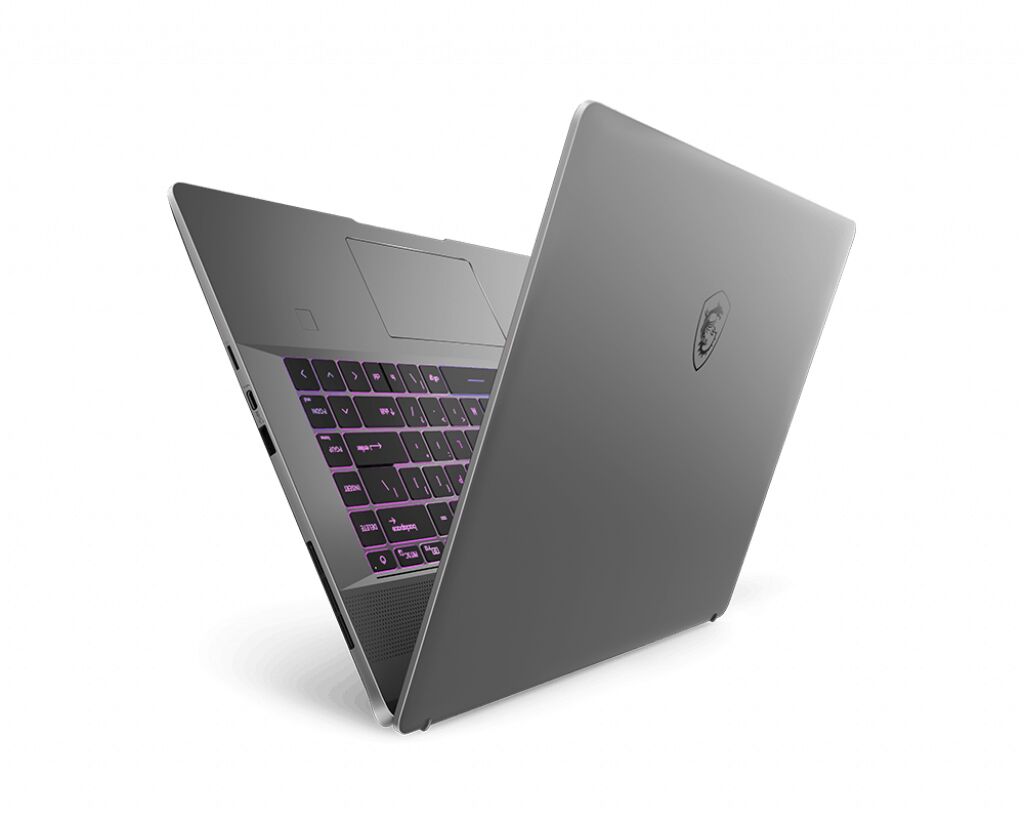
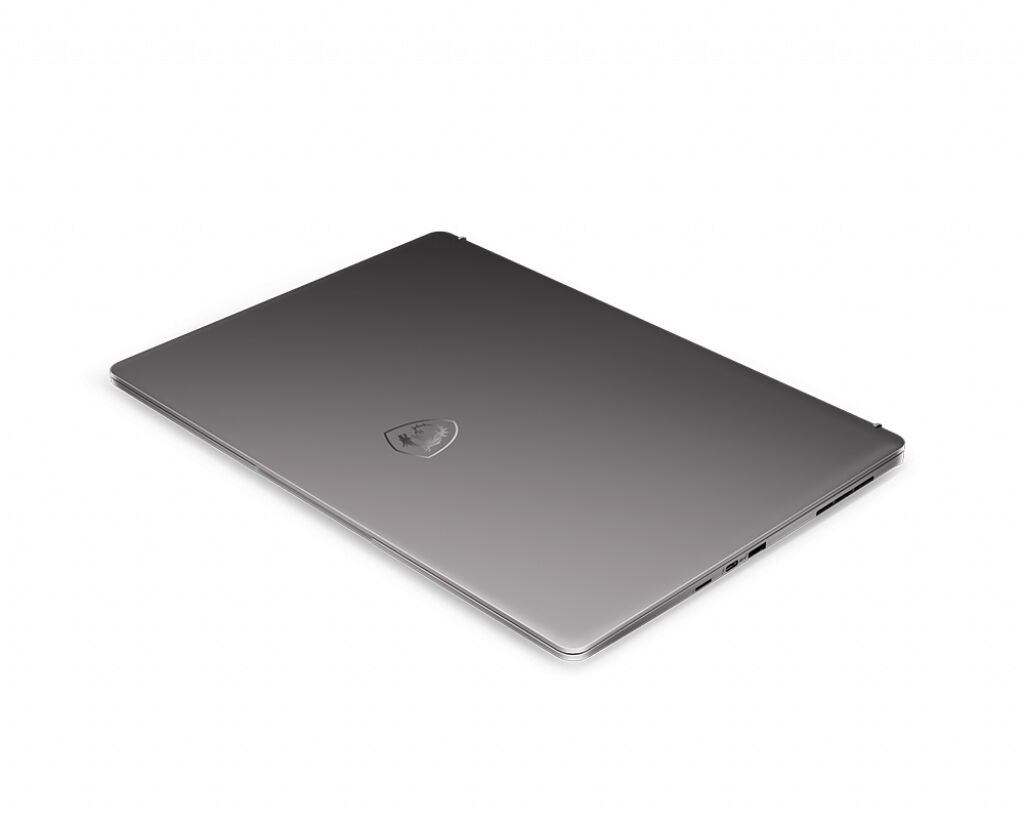
The MSI Creator Z16 A11UET-287 laptop features DDR4-SDRAM memory upgrade specifications with two SO-DIMM slots supporting maximum RAM capacity of 64 GB. Compatible memory modules operate at 3200 MHz frequency. The upgrade specifications indicate DDR4 SO-DIMM form factor compatibility, allowing users to expand system memory beyond factory configurations. Maximum memory capacity reaches 64 GB when both slots are populated with high-capacity modules. Frequency specifications ensure compatibility with DDR4-3200 standard components for the Creator Z16 series model.
Memory Upgrade Specifications
| Specification | Value |
|---|---|
| Memory slots | 2x SO-DIMM |
| Form factor | SO-DIMM |
| Memory type | DDR4-SDRAM |
| Frequency | 3200 MHz |
| Maximum RAM | 64 GB |
| Voltage | 1.2V |
| Number of pins | 260-pin |
| Interface | PC4 |
| PC Speed Rating | PC4-3200 (PC4-25600) |
| Bandwidth | 25.6 GB/s |
| Laptop Release date | 13 March 2022 |
Additional Notes
- The SO-DIMM specification restricts compatible modules to the laptop-specific form factor, excluding standard desktop DIMM memory which measures 133.35 mm compared to SO-DIMM's 69.6 mm length.
- DDR4-SDRAM operates at 1.2V, preventing the installation of DDR3L (1.35V) or DDR3 (1.5V) modules due to voltage incompatibility at the physical slot level.
- The 3200 MHz specification indicates PC4-25600 bandwidth classification, delivering 25.6 GB/s theoretical maximum throughput per channel when both slots operate in dual-channel configuration.
- Populating a single slot results in single-channel mode, reducing memory bandwidth by approximately 50% and potentially creating performance bottlenecks in graphics-intensive workflows or rendering tasks.
- The 64 GB ceiling requires 2x 32 GB modules, as no single SO-DIMM module exceeds 32 GB capacity in DDR4 technology at present manufacturing standards.
- Intel 11th generation mobile platforms in the MSI Creator Z16 A11UET-287 support JEDEC standard timings, but non-XMP modules may default to 2933 MHz or 2667 MHz if SPD programming lacks the 3200 MHz profile.
- Mixing modules with different CAS latencies (CL22 vs CL19, for example) forces both modules to operate at the slower timing specification, increasing memory access latency by 2-3 nanoseconds.
- The dual-slot configuration lacks the quad-channel architecture found in workstation platforms, limiting memory interleaving and aggregate bandwidth despite maximum capacity upgrades.
- Non-ECC unbuffered modules represent the only compatible type, as SO-DIMM slots in consumer laptops lack the additional chip connections required for error-correcting code functionality.
- Module height exceeding 30 mm may interfere with the bottom panel clearance or internal cooling assemblies, though most SO-DIMM modules adhere to the JEDEC 30 mm standard.
- Factory-installed memory removal typically preserves warranty coverage, but verification of the specific warranty terms prevents potential claim denial during the coverage period.
- Thermal throttling occurs when sustained memory operations exceed 85°C junction temperature, more common when both slots contain high-density 32 GB modules under extended workloads.