MSI Creator A13VFT-007FR RAM upgrade specifications
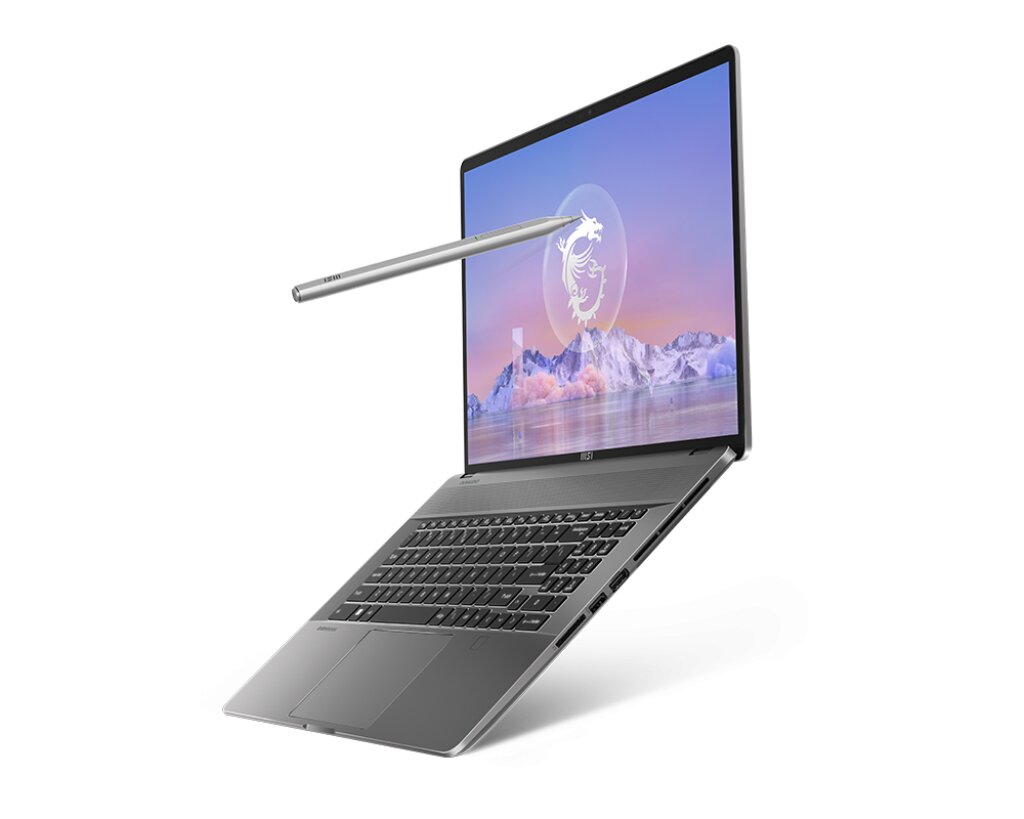
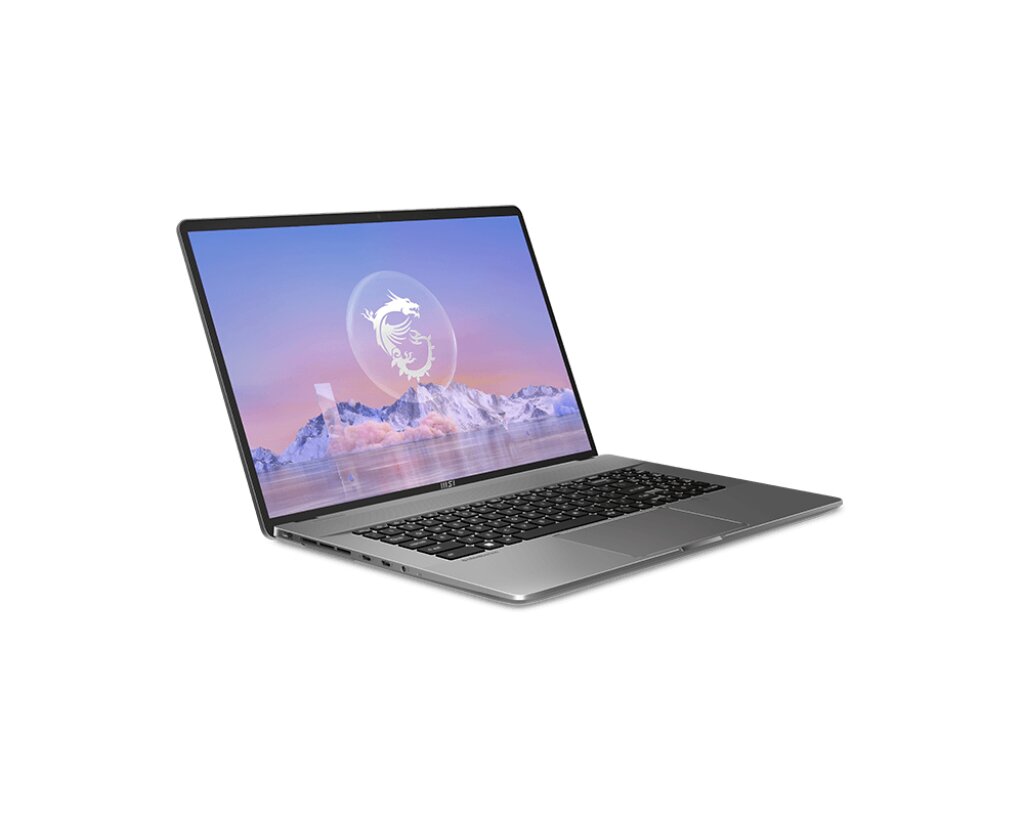
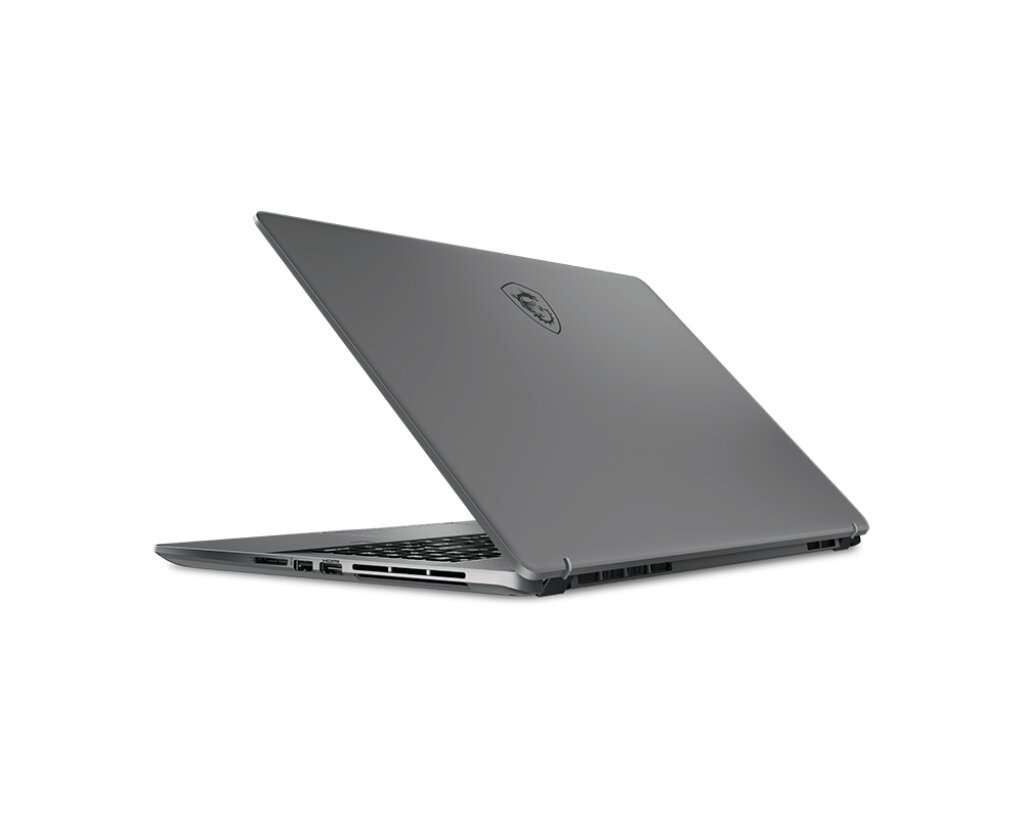
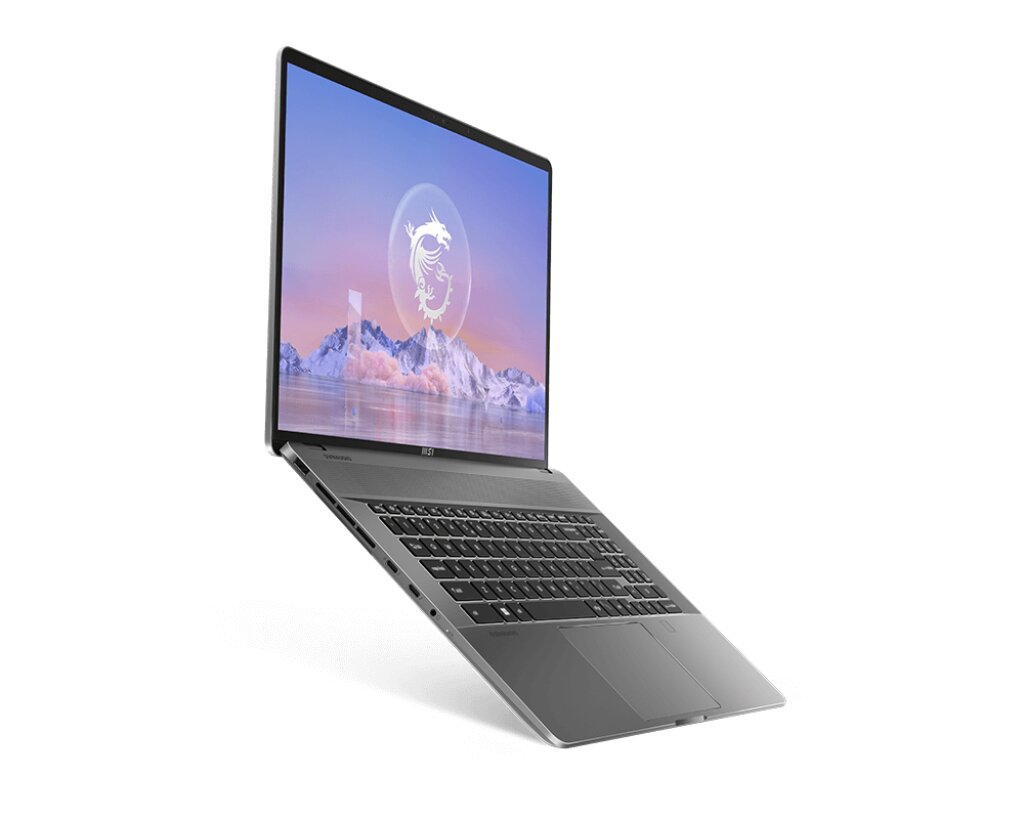
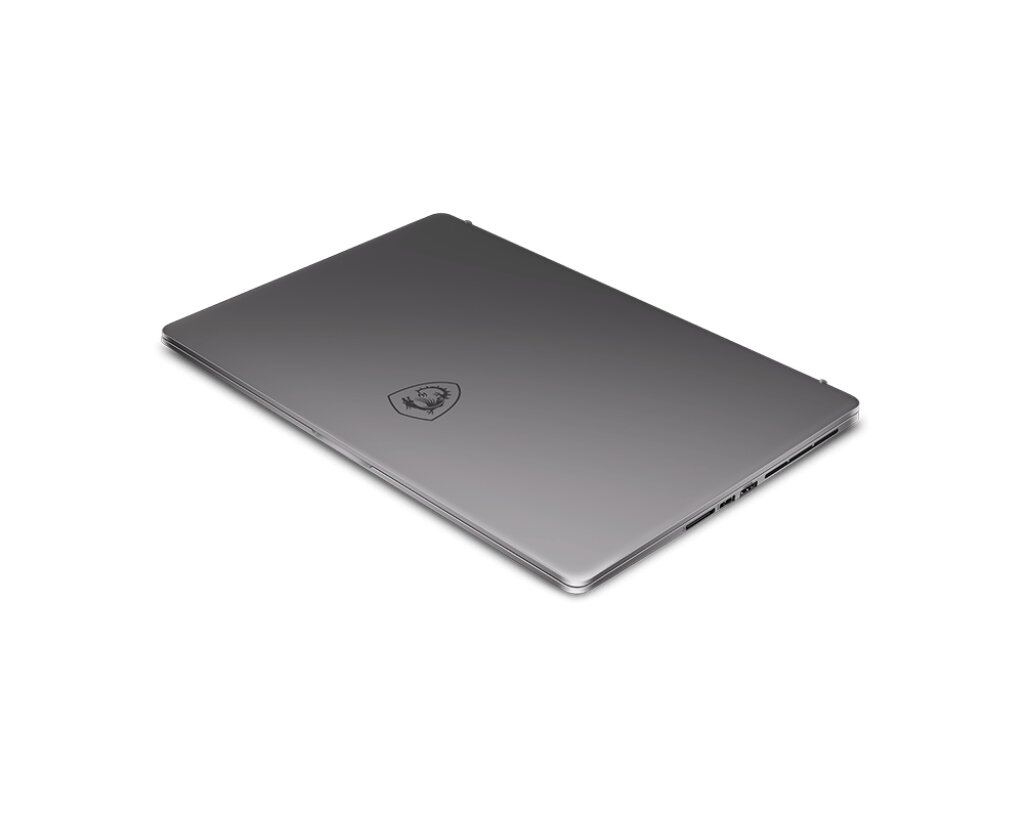
The MSI Creator Z17 HX Studio A13VFT-007FR laptop features DDR5-SDRAM memory upgrade specifications with 2x SO-DIMM slots supporting up to 64 GB maximum capacity. Compatible DDR5 modules operate at 5600 MHz frequency. The SO-DIMM form factor enables memory expansion for enhanced multitasking and performance in professional creative applications. RAM upgrade components must meet DDR5-SDRAM specifications for compatibility with the A13VFT-007FR model.
Memory Upgrade Specifications
| Specification | Value |
|---|---|
| Memory slots | 2x SO-DIMM |
| Form factor | SO-DIMM |
| Memory type | DDR5-SDRAM |
| Frequency | 5600 MHz |
| Maximum RAM | 64 GB |
| Voltage | 1.1V |
| Number of pins | 262-pin |
| Interface | PC5 |
| PC Speed Rating | PC5-5600 (PC5-44800) |
| Bandwidth | 44.8 GB/s |
| Laptop Release date | 10 February 2023 |
Additional Notes
- The 64 GB ceiling represents a per-slot limitation of 32 GB, restricting future capacity expansion beyond dual-module configurations.
- DDR5-5600 operates with higher baseline latency compared to DDR4 equivalents at similar CAS ratings, though absolute latency remains competitive due to increased clock speeds.
- SO-DIMM slot accessibility in the MSI Creator A13VFT-007FR typically requires bottom panel removal, with potential warranty seal involvement depending on regional service policies.
- Mixing modules with different primary timings or voltage profiles may force the memory controller to downclock to the lowest common denominator specification.
- DDR5's dual-channel per module architecture delivers 64-bit total bandwidth per stick, effectively quadrupling theoretical throughput compared to single-channel DDR4 implementations when both slots are populated.
- Non-ECC unbuffered modules remain the compatible standard for this configuration, as server-grade registered DIMMs lack physical and electrical compatibility with consumer SO-DIMM slots.
- JEDEC-standard modules guarantee baseline compatibility, while XMP 3.0 profiles require BIOS support verification before purchase to ensure advertised speeds beyond 5600 MHz function properly.
- Thermal considerations become relevant above 32 GB total capacity during sustained workloads, as denser memory configurations generate incrementally higher heat within constrained laptop chassis airflow paths.
- Dual-rank modules may provide marginal performance advantages in memory-intensive applications compared to single-rank equivalents at identical capacities and frequencies.
- The 5600 MHz native frequency operates beyond DDR5's JEDEC base specification of 4800 MHz, indicating factory-enabled overclocking that may revert to conservative timings after BIOS resets.