MSI Gaming GE63 8SF-003NL Raider RGB RAM upgrade specifications
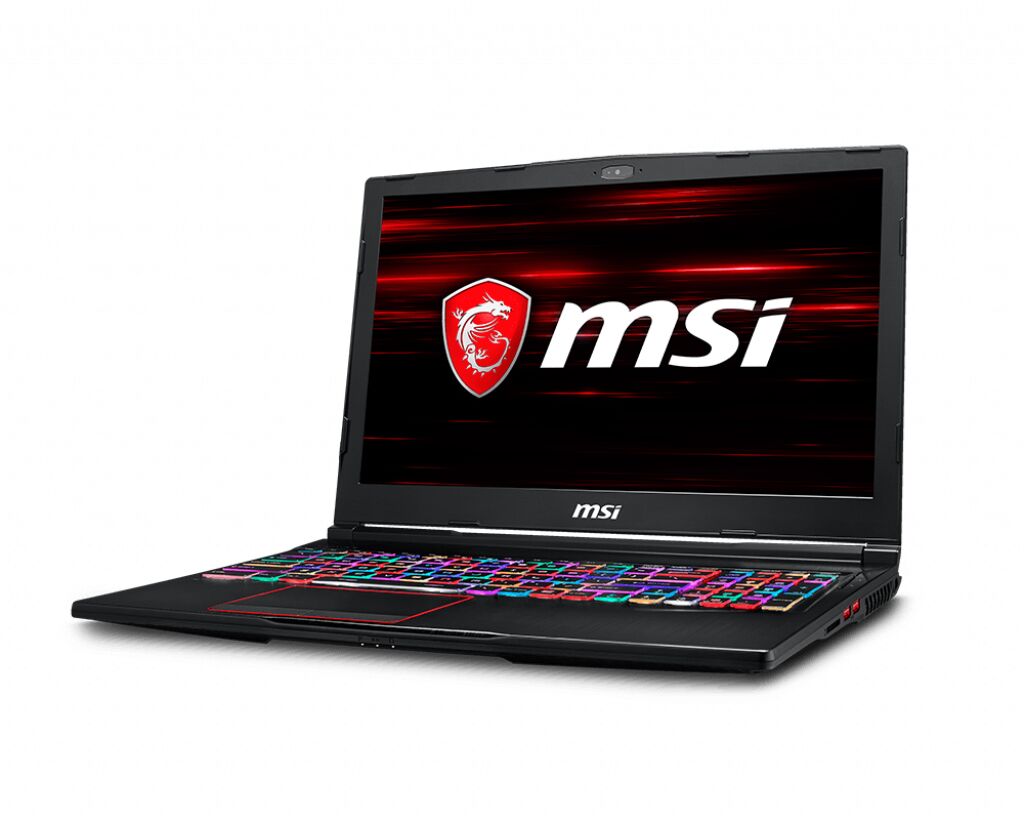
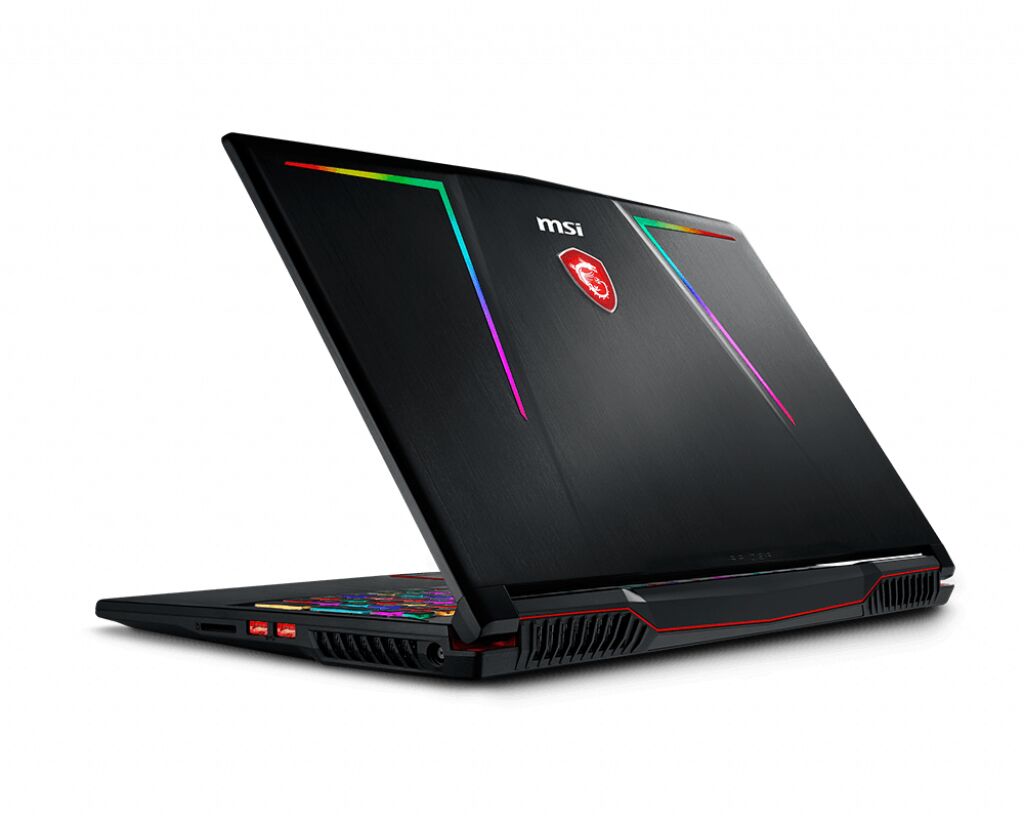
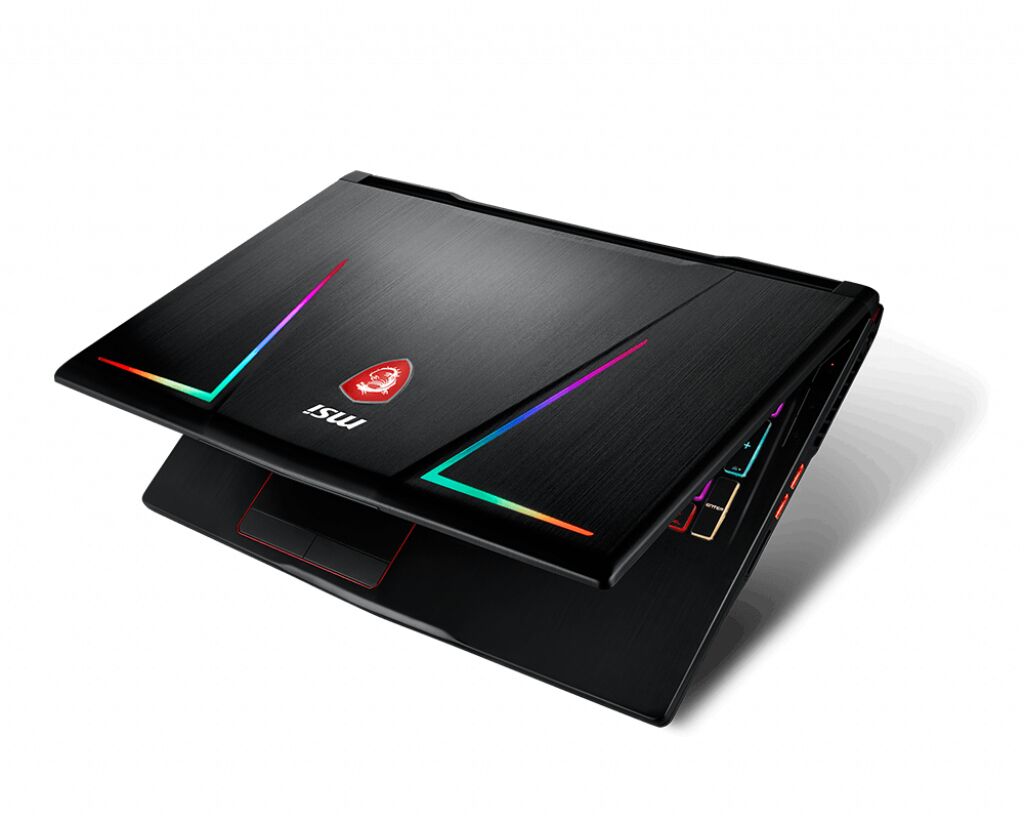
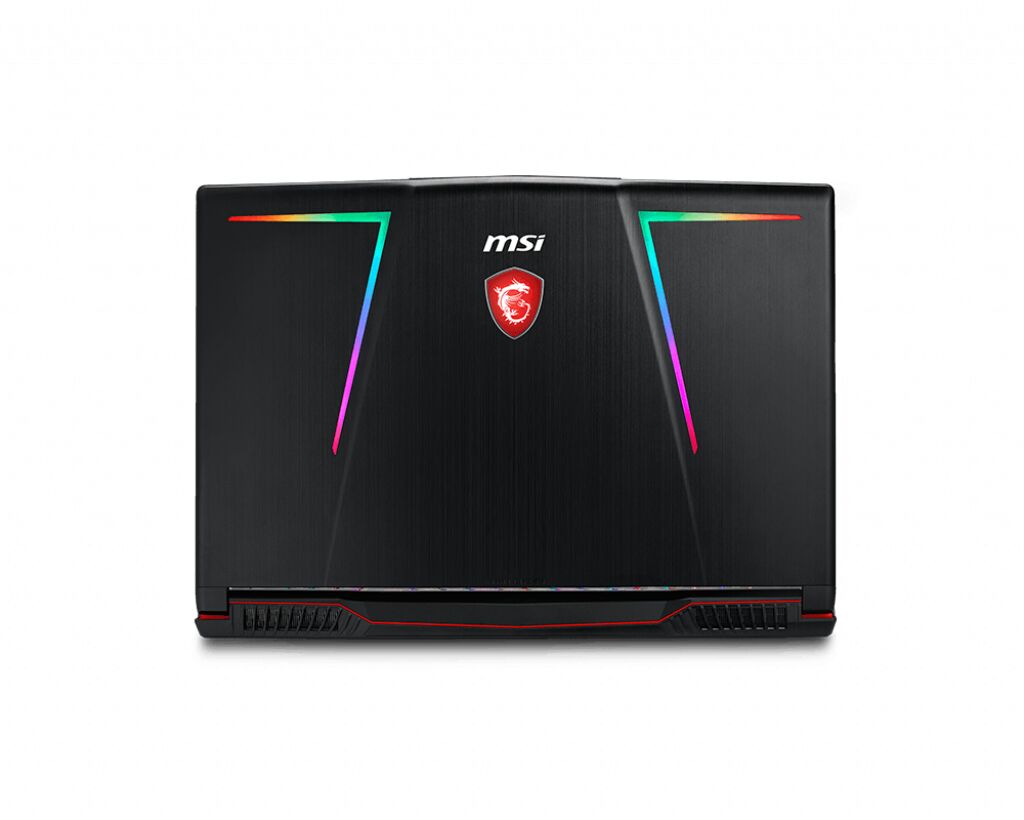
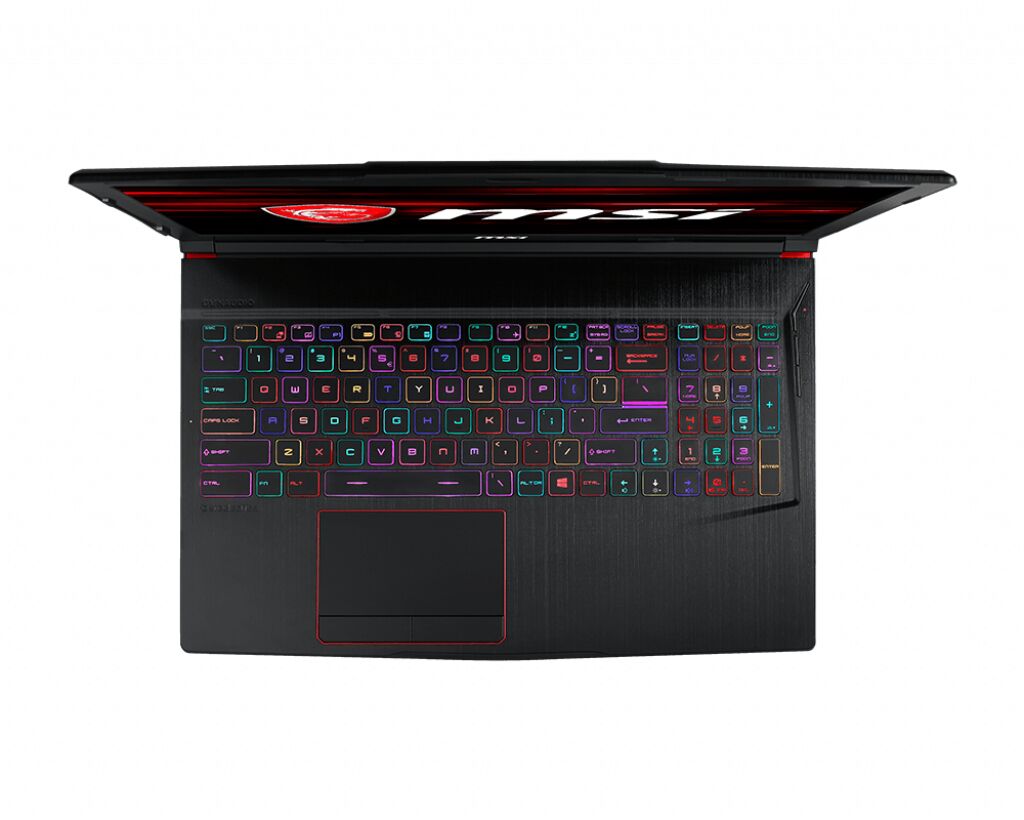
The MSI GE63 8SF-003NL Raider RGB gaming laptop features DDR4-SDRAM memory upgrade specifications with two SO-DIMM slots supporting maximum capacity of 32 GB total RAM. Compatible memory modules operate at 2666 MHz frequency. The GE series Gaming family laptop accepts SO-DIMM form factor upgrades, enabling users to expand memory from factory-installed configurations up to the maximum supported capacity for enhanced multitasking and performance capabilities.
Memory Upgrade Specifications
| Specification | Value |
|---|---|
| Memory slots | 2x SO-DIMM |
| Form factor | SO-DIMM |
| Memory type | DDR4-SDRAM |
| Frequency | 2666 MHz |
| Maximum RAM | 32 GB |
| Voltage | 1.2V |
| Number of pins | 260-pin |
| Interface | PC4 |
| PC Speed Rating | PC4-2666 (PC4-21328) |
| Bandwidth | 21.3 GB/s |
| Laptop Release date | 31 January 2019 |
Additional Notes
- The 32 GB ceiling reflects chipset or BIOS limitations rather than slot count, restricting each module to 16 GB maximum density.
- DDR4-2666 represents the officially supported JEDEC standard speed, though the Intel 8th generation platform in this MSI GE63 8SF-003NL Raider RGB may accept higher frequency modules that downclock to this specification.
- Dual-channel architecture requires matched module pairs for optimal memory bandwidth, particularly critical for integrated graphics workloads despite the presence of discrete GPU.
- SO-DIMM modules require 260-pin configuration rather than desktop 288-pin standards, preventing compatibility with standard desktop components.
- Operating voltage typically remains fixed at 1.2V for DDR4 laptop implementations, eliminating manual voltage adjustment options available on desktop platforms.
- Mixing modules with different timings or ranks may force the system to adopt the slowest common denominator specifications across both channels.
- The 2666 MHz frequency operates within standard thermal envelopes, whereas higher-clocked modules generate additional heat that laptop cooling systems may struggle to dissipate consistently.
- Warranty preservation typically requires non-destructive module installation through accessible service panels rather than full disassembly procedures.
- Single-rank versus dual-rank module architecture affects interleaving efficiency, with performance deltas potentially reaching 5-10% in memory-intensive applications.
- ECC memory support remains absent from consumer gaming platforms, eliminating error-correcting capabilities present in workstation-class systems.
- XMP profile compatibility depends on BIOS implementation, with many laptop manufacturers disabling overclocking features to maintain thermal and stability margins.