MSI Gaming GE63 8SF-004BE Raider RGB RAM upgrade specifications
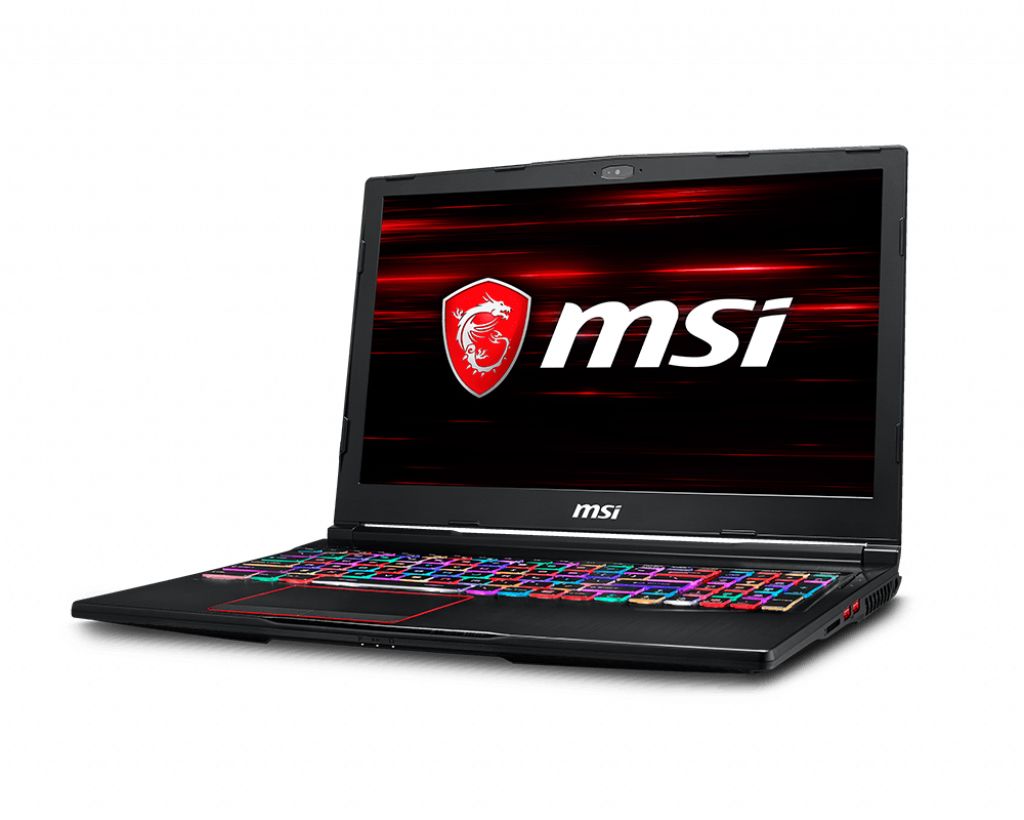
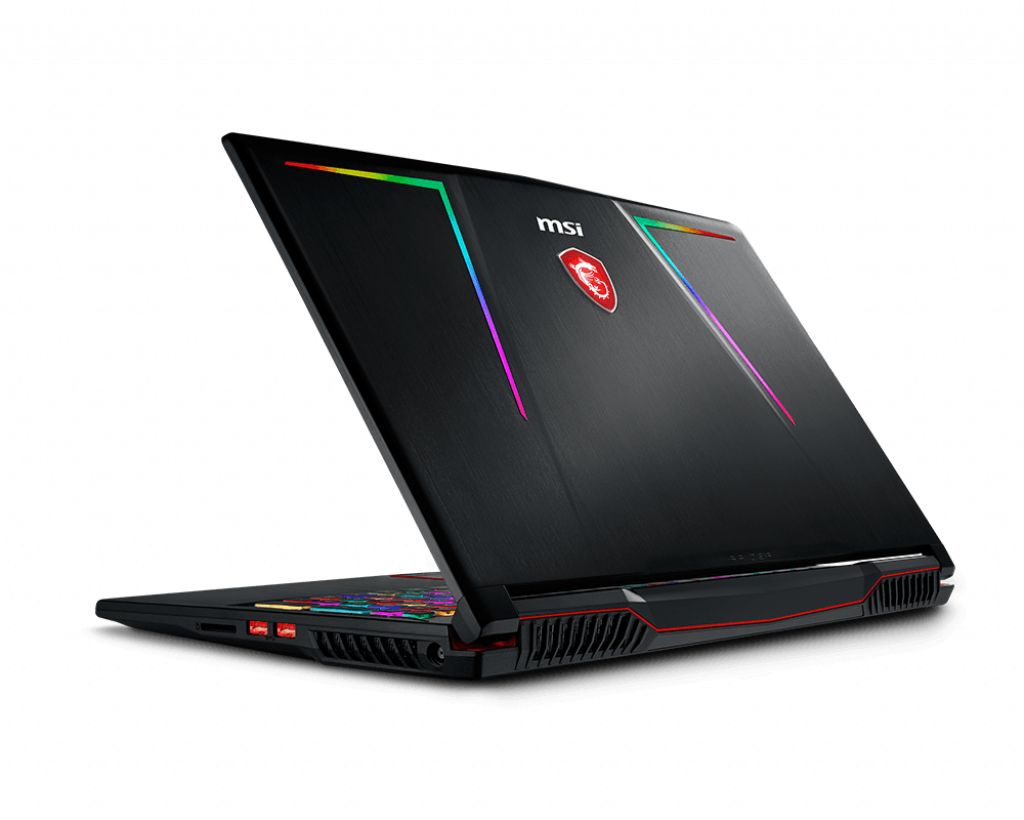
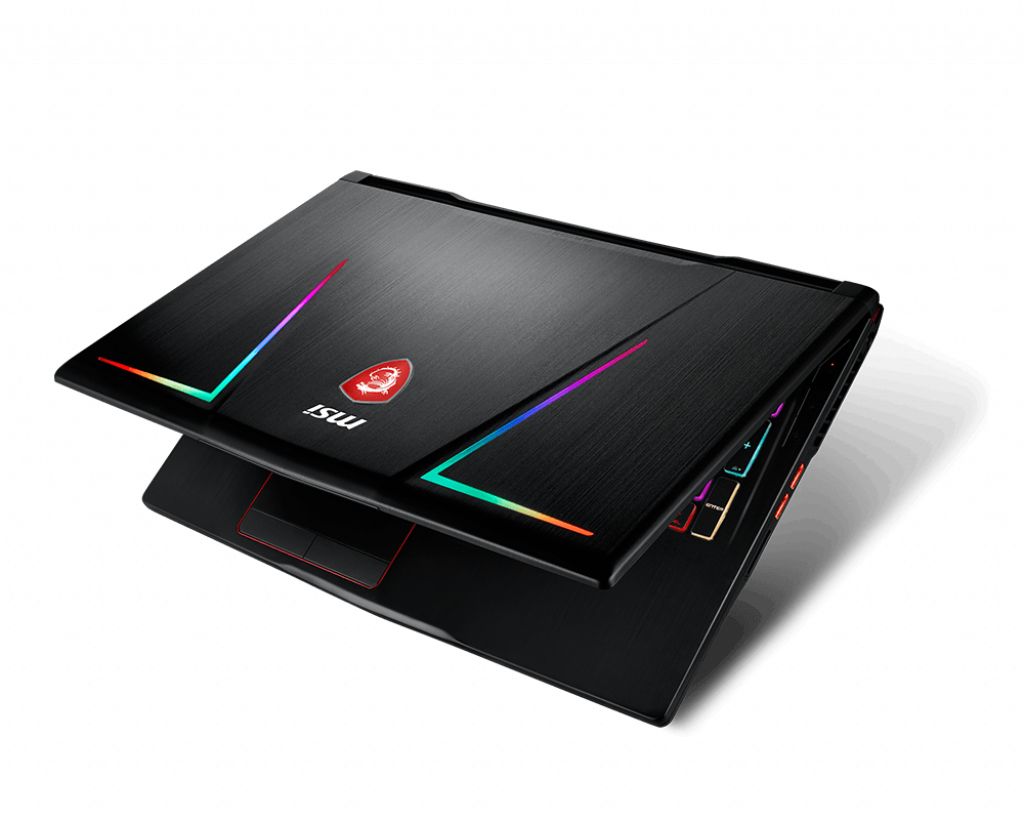
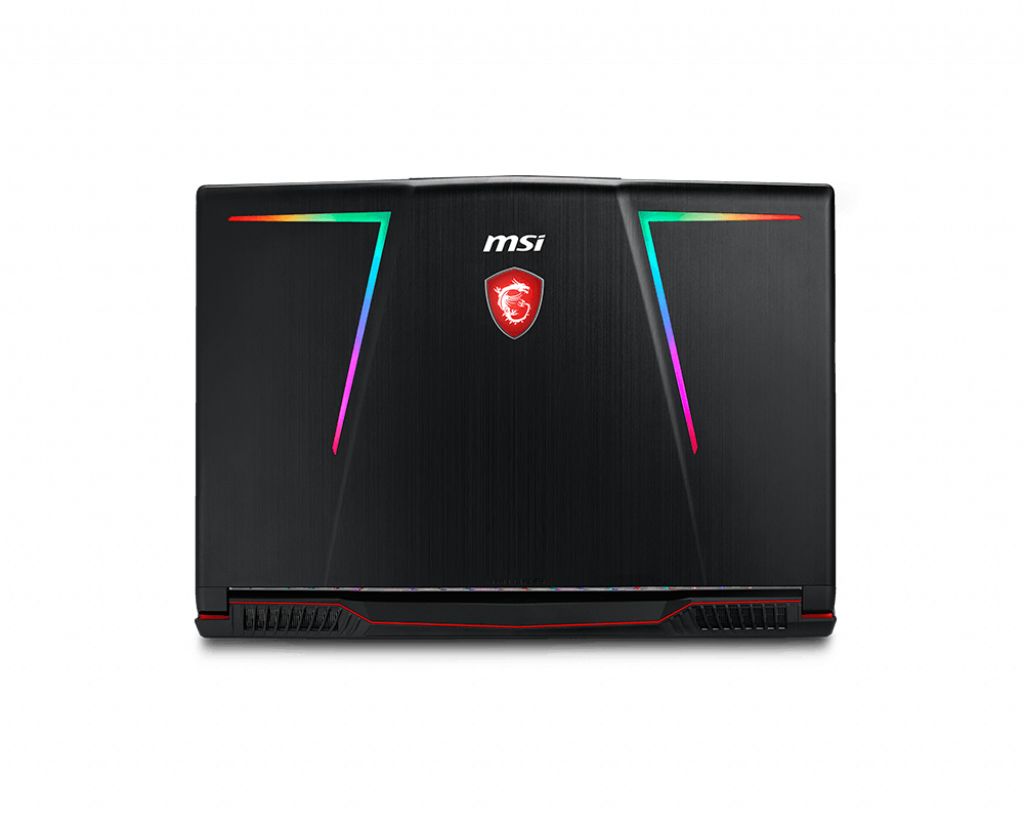
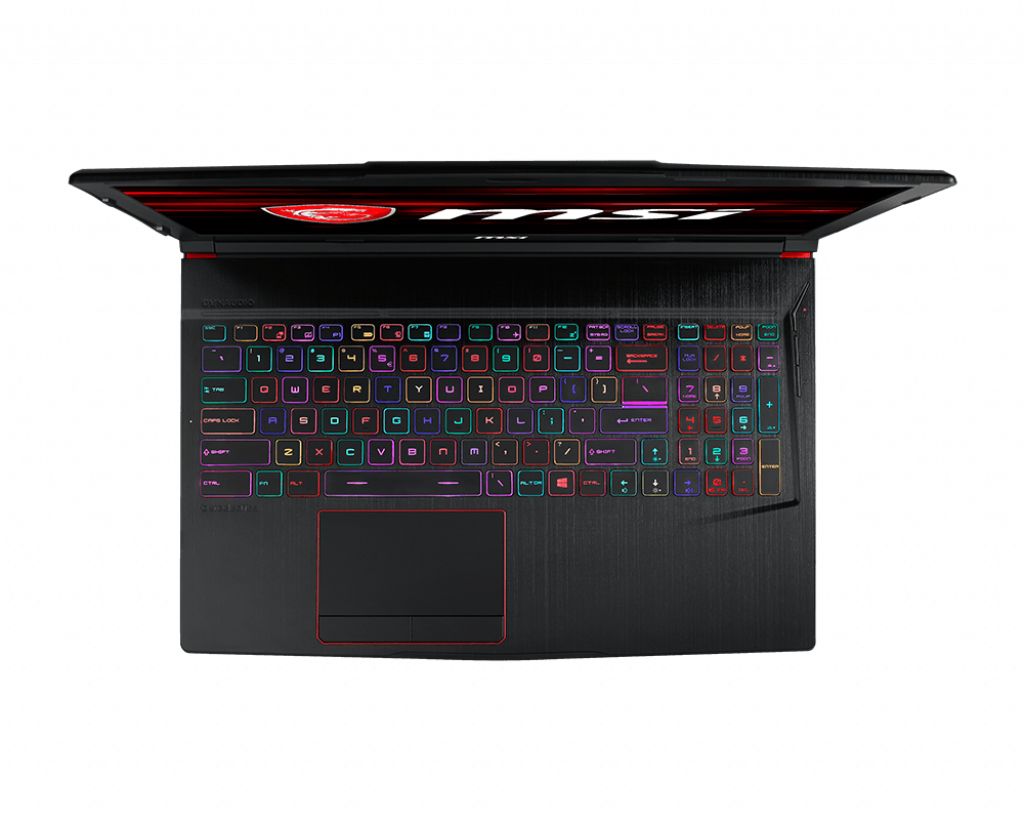
The MSI GE63 8SF-004BE Raider RGB Gaming series laptop features DDR4-SDRAM memory with 2x SO-DIMM slots for RAM upgrades. The maximum supported memory capacity reaches 32 GB, with compatible modules operating at 2666 MHz frequency. Specifications indicate SO-DIMM form factor memory modules are required for upgrade compatibility. Current memory configurations support DDR4 technology, enabling users to expand the laptop's RAM capacity through compatible memory modules installed in the available slots.
Memory Upgrade Specifications
| Specification | Value |
|---|---|
| Memory slots | 2x SO-DIMM |
| Form factor | SO-DIMM |
| Memory type | DDR4-SDRAM |
| Frequency | 2666 MHz |
| Maximum RAM | 32 GB |
| Voltage | 1.2V |
| Number of pins | 260-pin |
| Interface | PC4 |
| PC Speed Rating | PC4-2666 (PC4-21328) |
| Bandwidth | 21.3 GB/s |
| Laptop Release date | 31 January 2019 |
Additional Notes
- The 32 GB ceiling reflects chipset-level addressing limitations in 8th generation Intel Core platforms, preventing any expansion beyond this threshold regardless of module availability.
- The 2666 MHz frequency represents the native JEDEC standard speed for this memory controller generation, ensuring stability without requiring XMP profile activation.
- SO-DIMM modules physically differ from desktop DIMM counterparts through reduced pin count and shorter PCB length, making desktop memory modules mechanically incompatible with this MSI GE63 8SF-004BE Raider RGB chassis.
- Dual-channel architecture requires matched module pairs for optimal memory interleaving, as mismatched capacities or timings force the controller into asymmetric or single-channel mode.
- The absence of additional slots beyond the 2 occupied positions means capacity upgrades necessitate complete module replacement rather than supplementary installation.
- Voltage specifications for DDR4 modules default to 1.2V, and deviations toward high-performance 1.35V variants may trigger compatibility issues or thermal management concerns in confined laptop environments.
- CAS latency tolerances typically range between CL17 and CL19 at this frequency tier, with tighter timings offering minimal real-world performance gains in gaming workloads compared to bandwidth scaling.
- Memory controller training occurs during POST, and mixing manufacturers or production batches between slots can extend boot times or cause initialization failures despite identical specifications.
- Warranty preservation generally requires avoiding physical damage to retention clips during module extraction, as broken latches often void coverage even when upgrades themselves remain manufacturer-permitted.
- Thermal considerations limit sustained memory-intensive workloads since SO-DIMM modules lack heat spreaders common in desktop variants, relying entirely on ambient airflow within the laptop chassis.