MSI Gaming GE65-003ES Raider 9SF RAM upgrade specifications
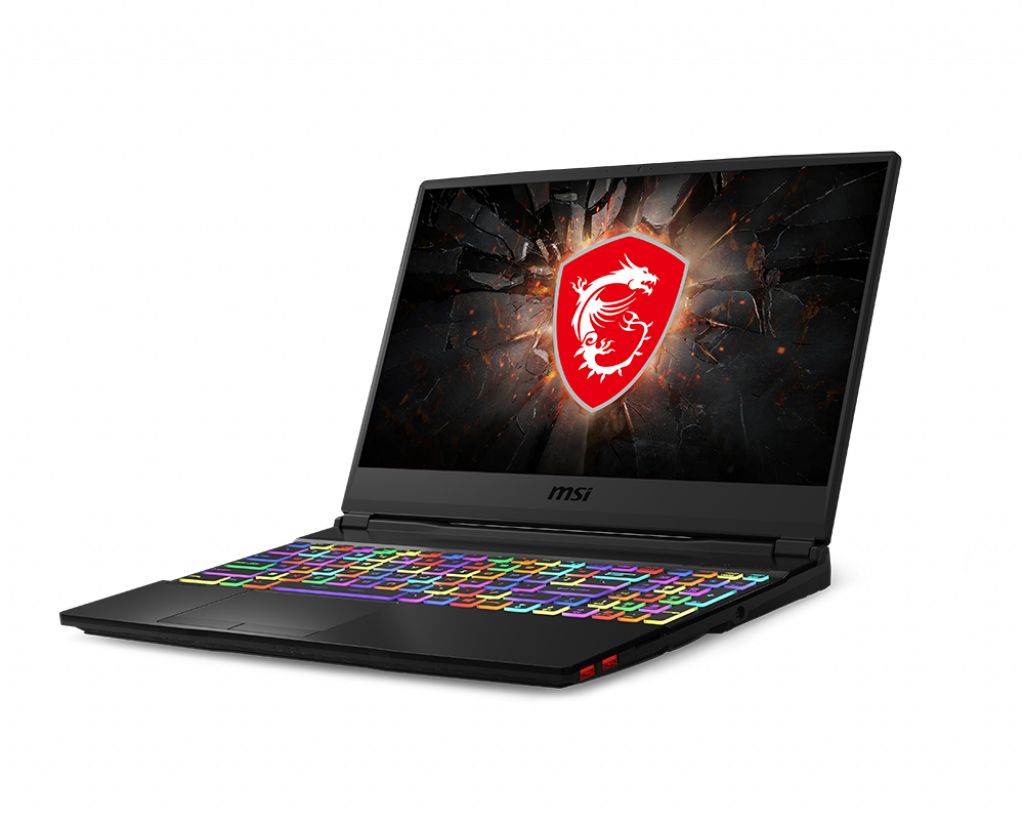
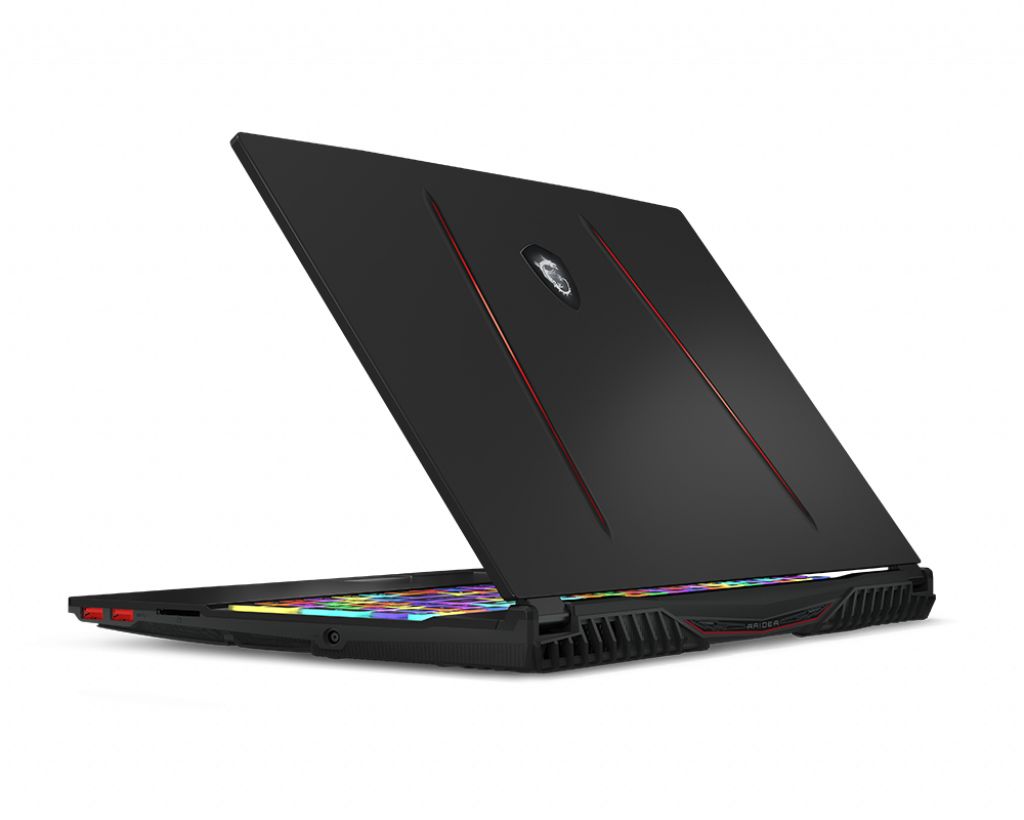

MSI GE65-003ES Raider 9SF gaming laptop supports DDR4-SDRAM memory upgrades with maximum capacity of 64 GB across 2 SO-DIMM slots. The upgrade specifications require DDR4 modules operating at 2666 MHz frequency. Compatible memory modules must utilize SO-DIMM form factor for proper installation in this GE series model. Current configuration details and available slot capacity determine maximum expandable RAM capacity for this device.
Memory Upgrade Specifications
| Specification | Value |
|---|---|
| Memory slots | 2x SO-DIMM |
| Form factor | SO-DIMM |
| Memory type | DDR4-SDRAM |
| Frequency | 2666 MHz |
| Maximum RAM | 64 GB |
| Voltage | 1.2V |
| Number of pins | 260-pin |
| Interface | PC4 |
| PC Speed Rating | PC4-2666 (PC4-21328) |
| Bandwidth | 21.3 GB/s |
| Laptop Release date | 01 July 2019 |
Additional Notes
- The MSI GE65-003ES Raider 9SF contains 2 memory slots with no spare capacity, requiring removal of existing modules to install larger capacity upgrades rather than adding modules alongside them.
- SO-DIMM form factor limits upgrade options to laptop-specific memory modules; desktop DDR4 DIMMs are physically incompatible and cannot be adapted.
- The 2666 MHz frequency specification indicates compatibility with DDR4 modules rated at this speed or higher; newer DDR4-3200 modules will downclock to native 2666 MHz, preventing performance gains from faster memory purchases.
- Maximum 64 GB capacity is divided equally across 2 slots, requiring matched 32 GB modules to reach the upper limit; single-sided upgrades to 32 GB per slot leave the second slot underutilized.
- Memory bandwidth is constrained by the 2666 MHz clock speed; dual-channel operation through both SO-DIMM slots achieves approximately 42.6 GB/s aggregate bandwidth, which may create latency bottlenecks for graphics-intensive workloads when paired with high-end discrete GPUs.
- Warranty preservation requires sourcing DDR4-2666 SO-DIMM modules from manufacturers on MSI's official compatibility lists; non-listed memory may void coverage even if technically compatible.