MSI Gaming GE66 10SE-227AU Raider RAM upgrade specifications



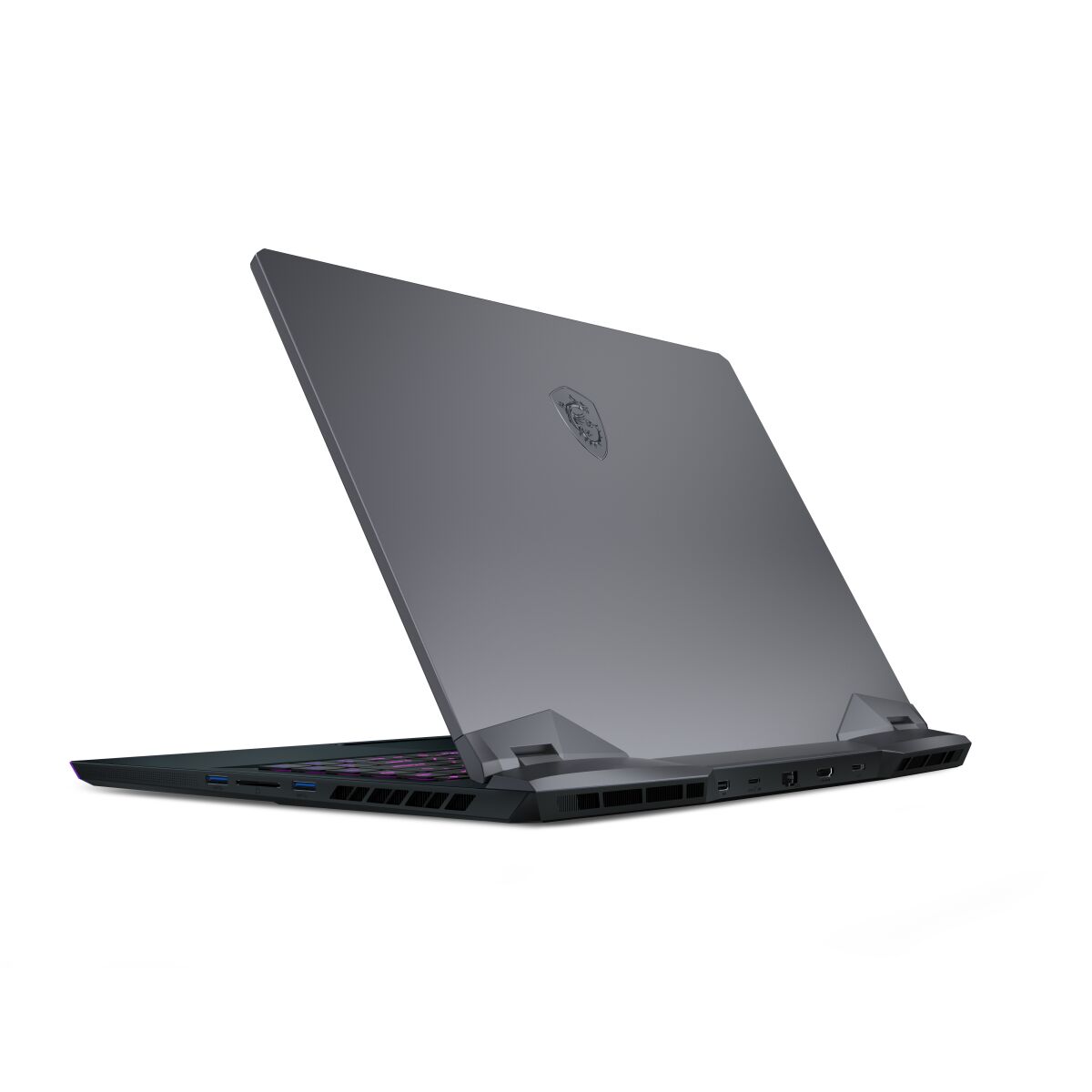

The MSI GE66 10SE-227AU Raider Gaming series laptop features DDR4-SDRAM memory with two SO-DIMM slots supporting maximum capacity of 64 GB. RAM upgrade specifications indicate compatible memory operates at 2666 MHz frequency. Current memory configuration permits dual-channel upgrade capability. Maximum RAM expansion allows installation of 32 GB modules per slot. Specifications demonstrate SO-DIMM form factor compatibility for the GE66 Raider series.
Memory Upgrade Specifications
| Specification | Value |
|---|---|
| Memory slots | 2x SO-DIMM |
| Form factor | SO-DIMM |
| Memory type | DDR4-SDRAM |
| Frequency | 2666 MHz |
| Maximum RAM | 64 GB |
| Voltage | 1.2V |
| Number of pins | 260-pin |
| Interface | PC4 |
| PC Speed Rating | PC4-2666 (PC4-21328) |
| Bandwidth | 21.3 GB/s |
| Laptop Release date | 22 December 2020 |
Additional Notes
- The MSI GE66 10SE-227AU Raider contains 2 SO-DIMM slots operating at 2666 MHz, which represents a bandwidth ceiling of approximately 42.6 GB/s per channel. This frequency aligns with 10th-generation Intel platform constraints rather than newer DDR4-3200 or DDR4-3600 standards, potentially limiting sustained data transfer rates during memory-intensive gaming or content creation workflows.
- SO-DIMM form factor requires low-profile modules (maximum 30 mm height) to clear internal heatsinks and chassis clearances. Standard full-height UDIMM modules cannot physically install, restricting upgrade sourcing to laptop-specific memory vendors and typically commanding 15-25% price premiums over desktop equivalents.
- The 64 GB maximum addressable capacity indicates single-slot modules reaching 32 GB are required to saturate memory expansion. Availability and cost of 32 GB SO-DIMM units at 2666 MHz specifications remains constrained compared to mainstream 16 GB or 8 GB options, potentially affecting upgrade feasibility within warranty periods.
- DDR4-2666 memory operates below Intel's native support for newer 10th-gen processors paired with Z-series chipsets, which typically enable DDR4-3200 configurations. This clock speed mismatch suggests factory BIOS configurations prioritize stability over performance, and manual frequency adjustments beyond 2666 MHz may void hardware warranties despite theoretical module compatibility.
- Dual-channel architecture (2 slots) means upgrading a single slot creates asymmetric memory configuration, forcing the system to operate both channels at the speed of the slower module. Mixed-capacity or mixed-frequency installations will throttle to the most conservative specifications, reducing effective bandwidth by up to 50%.