MSI Gaming GE65 Raider-431 RAM upgrade specifications
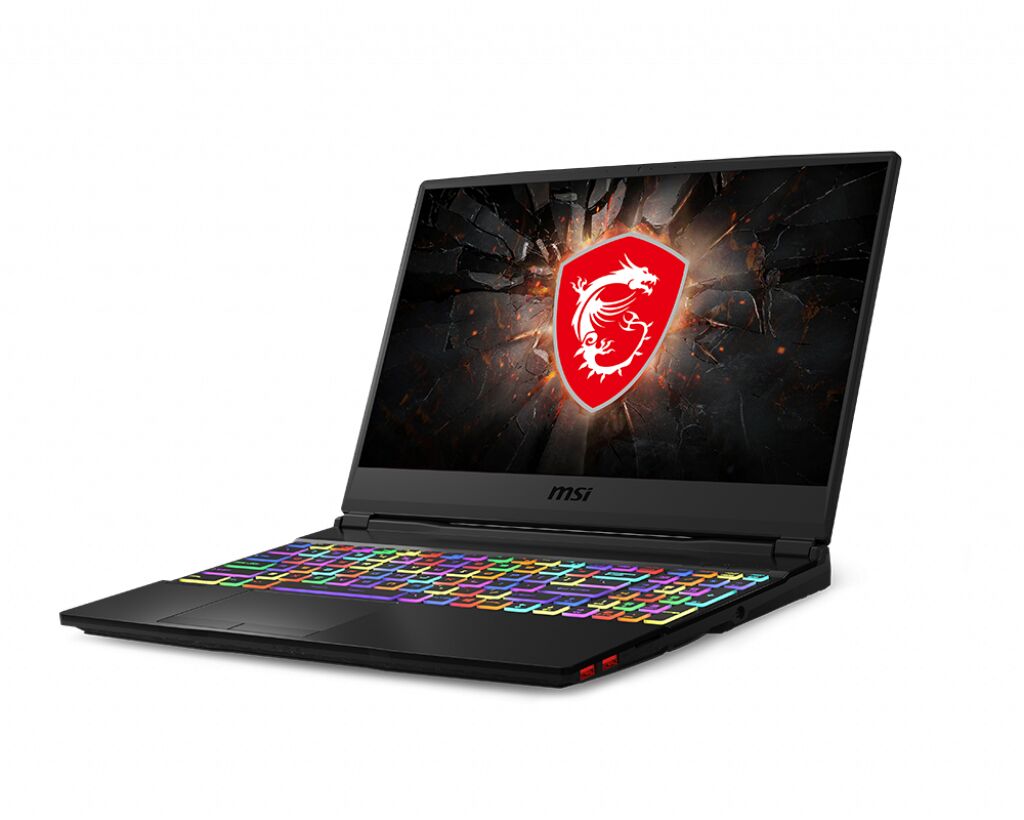
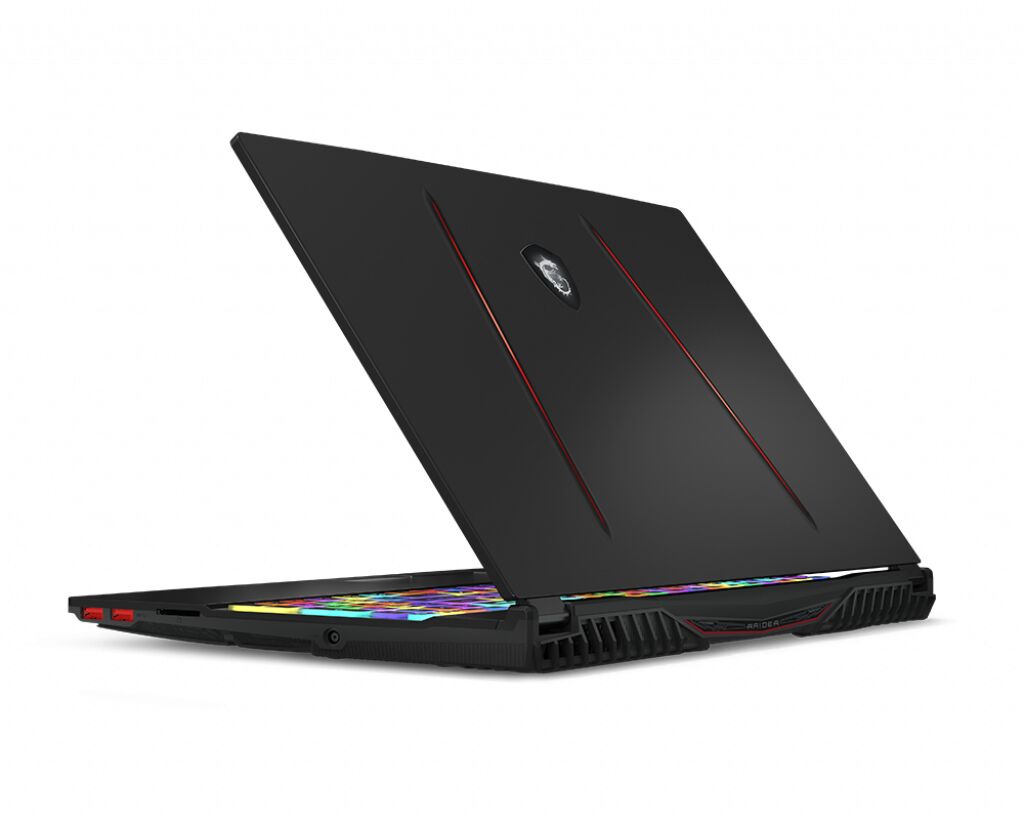
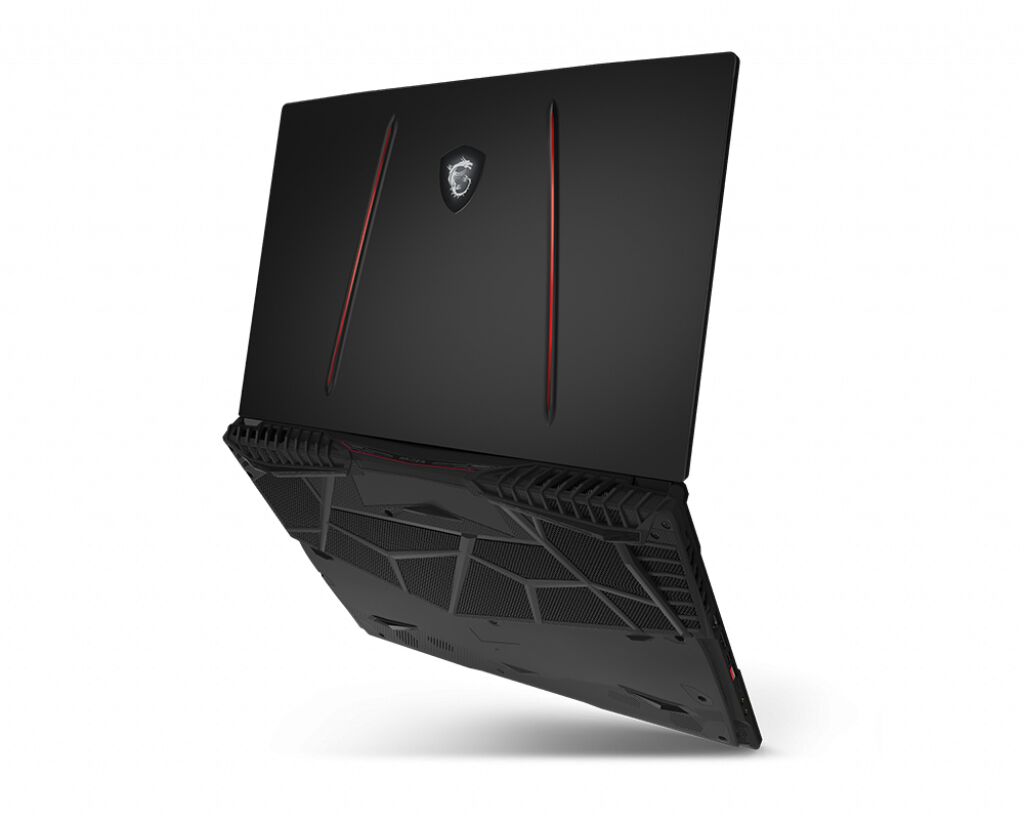
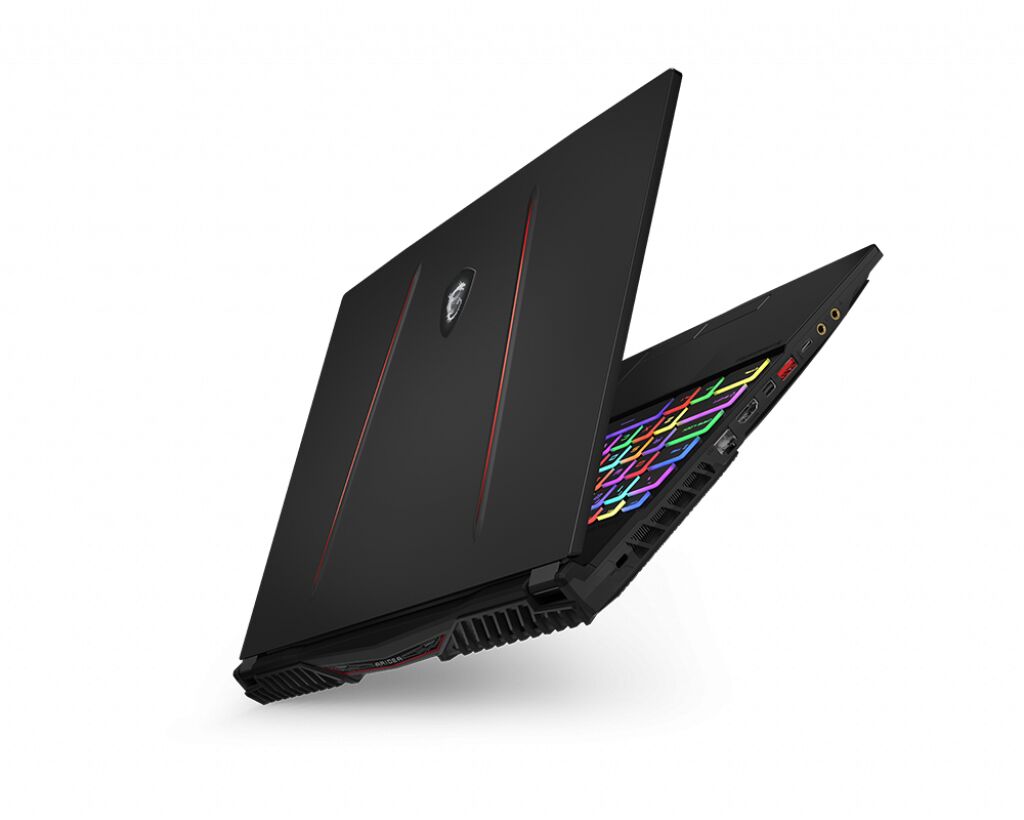

The MSI GE65 Raider-431, part of MSI's Gaming GE series, features DDR4-SDRAM memory specifications with two SO-DIMM slots available for upgrade. Maximum RAM capacity reaches 64 GB through compatible memory modules operating at 2666 MHz frequency. Upgrade options support standard SO-DIMM form factor memory configurations, enabling users to expand total system memory from factory specifications to the maximum 64 GB threshold across the two available memory slots.
Memory Upgrade Specifications
| Specification | Value |
|---|---|
| Memory slots | 2x SO-DIMM |
| Form factor | SO-DIMM |
| Memory type | DDR4-SDRAM |
| Frequency | 2666 MHz |
| Maximum RAM | 64 GB |
| Voltage | 1.2V |
| Number of pins | 260-pin |
| Interface | PC4 |
| PC Speed Rating | PC4-2666 (PC4-21328) |
| Bandwidth | 21.3 GB/s |
| Laptop Release date | 10 February 2020 |
Additional Notes
- The dual-channel architecture requires matches in density and rank across both slots to ensure synchronous data transfer and avoid downclocking to single-channel speeds.
- Upgrading the MSI GE65 Raider-431 to 64 GB necessitates the removal of all pre-installed modules because the motherboard lacks additional vacant headers for expansion.
- High-capacity 32 GB modules must utilize 16-gigabit chip density to stay within the physical constraints of the SO-DIMM form factor while maintaining electrical stability.
- Installation of modules with rated speeds exceeding 2666 MHz results in an automatic downclock to the system bus limit unless the BIOS provides manual XMP profile overrides.
- The absence of soldered memory on the logic board allows for total hardware replacement in the transition to maximum capacity without encountering non-removable bottlenecks.
- Accessing the memory headers typically involves piercing a factory seal on the bottom chassis which constitutes a breach of regional warranty terms depending on local consumer protection laws.
- Thermal management remains a factor during peak loads as the lack of dedicated heat spreaders on standard SO-DIMM sticks can lead to localized heat buildup within the compact laptop interior.