MSI Gaming GE66 10SF-210FR Raider RAM upgrade specifications
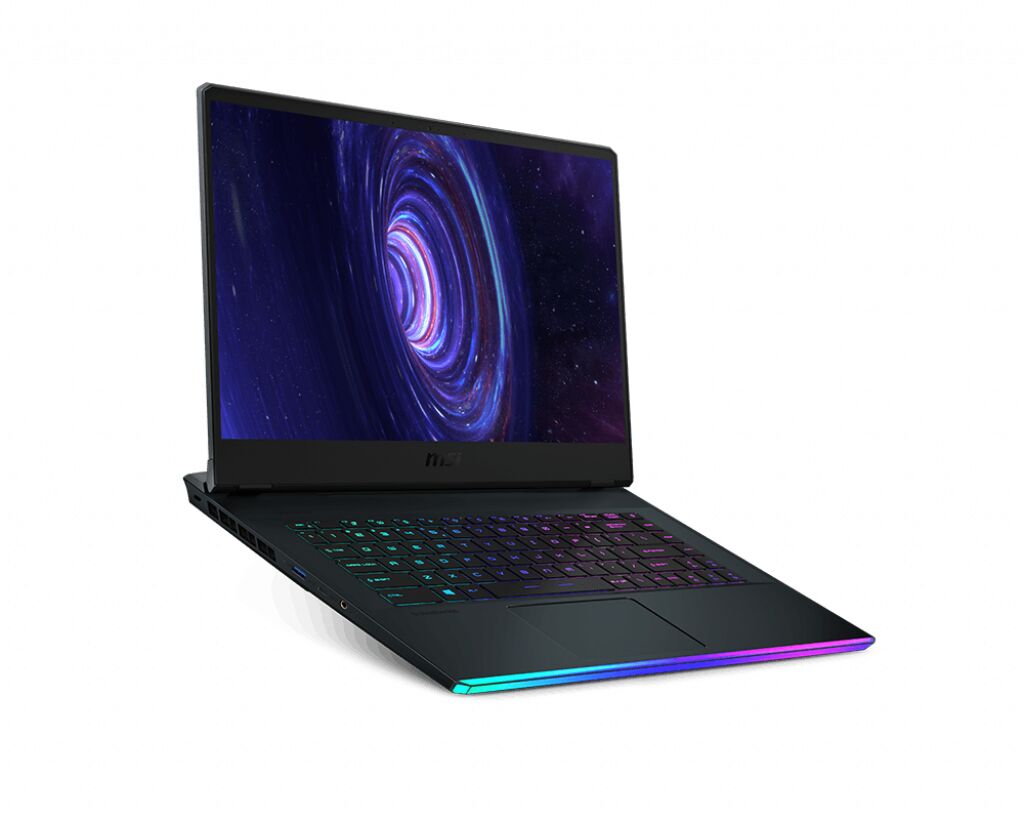
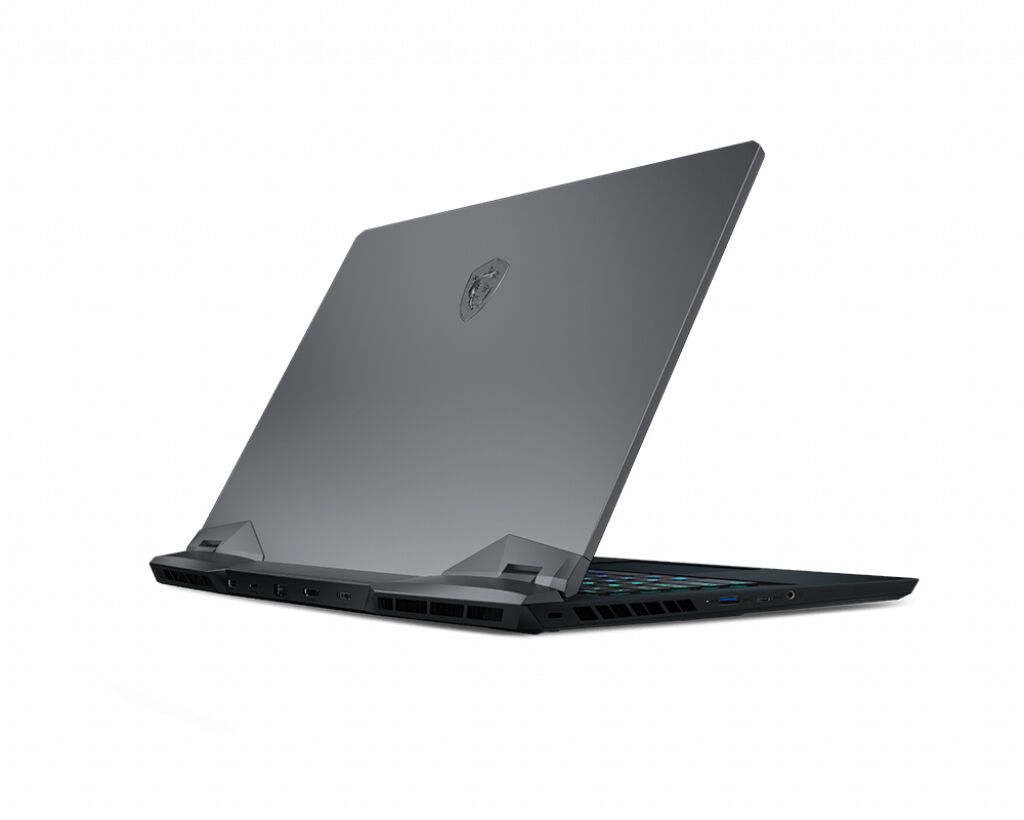
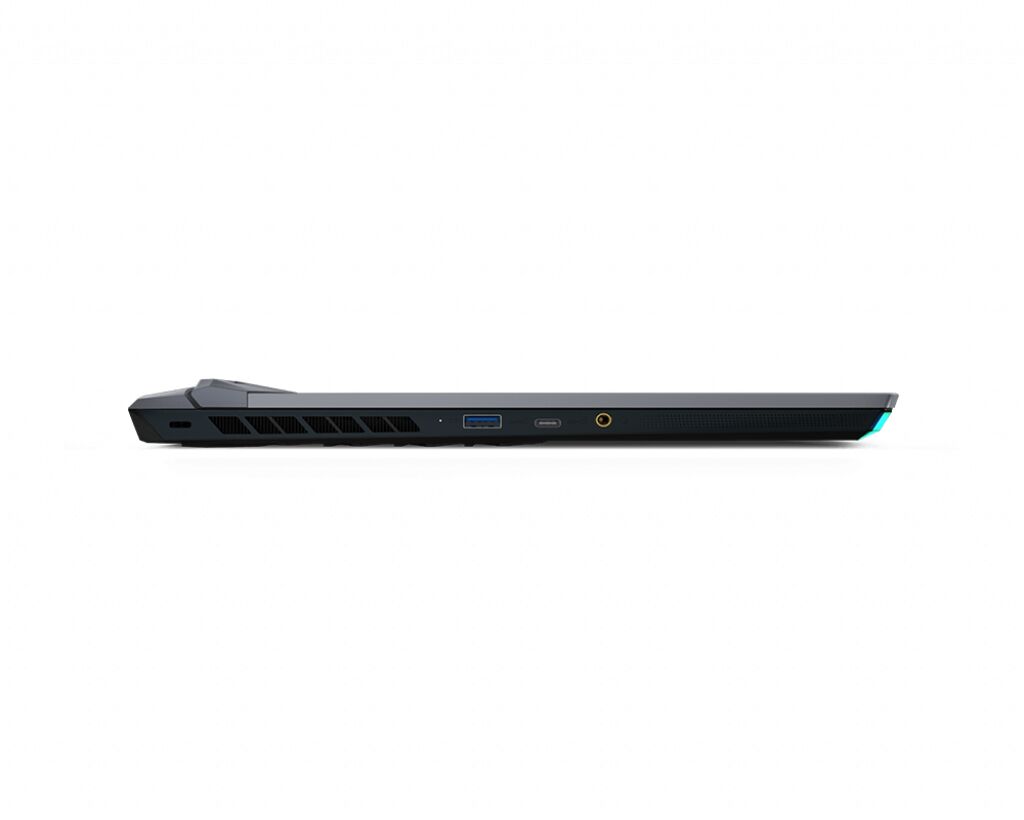
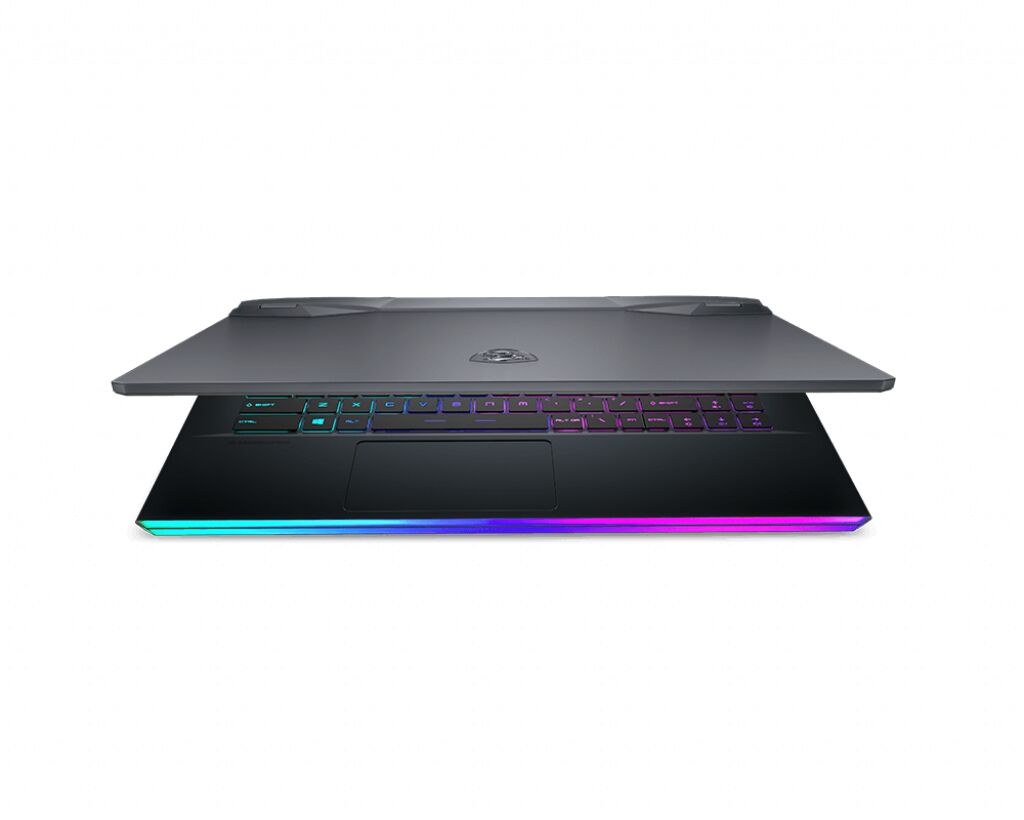
The MSI GE66 10SF-210FR Raider Gaming laptop features DDR4-SDRAM memory upgrade specifications with dual SO-DIMM slots supporting maximum capacity of 64 GB RAM. The Gaming GE series compatible memory operates at 2666 MHz frequency. Upgrade specifications indicate SO-DIMM form factor slots for DDR4 memory modules. Maximum RAM capacity of 64 GB achievable through dual slot configuration. MSI Raider model specifications support standard DDR4-SDRAM memory upgrades for enhanced performance.
Memory Upgrade Specifications
| Specification | Value |
|---|---|
| Memory slots | 2x SO-DIMM |
| Form factor | SO-DIMM |
| Memory type | DDR4-SDRAM |
| Frequency | 2666 MHz |
| Maximum RAM | 64 GB |
| Voltage | 1.2V |
| Number of pins | 260-pin |
| Interface | PC4 |
| PC Speed Rating | PC4-2666 (PC4-21328) |
| Bandwidth | 21.3 GB/s |
| Laptop Release date | 01 May 2020 |
Additional Notes
- The MSI GE66 10SF-210FR Raider contains 2 SO-DIMM slots operating at 2666 MHz, which represents a bandwidth ceiling of approximately 42.6 GB/s per channel. Upgrades beyond this frequency will not yield performance gains unless paired with a BIOS update that enables higher memory profiles, a feature not guaranteed for this generation.
- DDR4-2666 memory operates below the native 3200 MHz standard of 10th-generation Intel processors, indicating the system is configured conservatively. This frequency gap creates a minor performance delta in memory-intensive workloads, though the bottleneck remains secondary to GPU constraints in gaming scenarios.
- Maximum capacity of 64 GB requires both SO-DIMM slots to be populated with 32 GB modules. Sourcing matched pairs at this density in DDR4-2666 specification may require extended lead times, as OEM-qualified modules at this capacity are not universally stocked by third-party vendors.
- SO-DIMM form factor necessitates complete module replacement rather than supplemental upgrades. A single 32 GB addition requires removal and repurposing of existing memory, introducing handling risks and compatibility validation steps before operational confirmation.
- Warranty retention for memory upgrades depends on using non-ECC, consumer-grade DDR4 modules. ECC variants, while compatible electrically, may trigger support denial if system diagnostics detect non-standard memory configurations during incident reporting.
- The 2-slot architecture constrains future scalability. Once both slots reach maximum density, no expansion pathway exists without complete module replacement, making future-proofing upgrades costlier than systems with 4 or more slots.