MSI Gaming GE72MVR 7RG(Apache Pro)-004NE RAM upgrade specifications
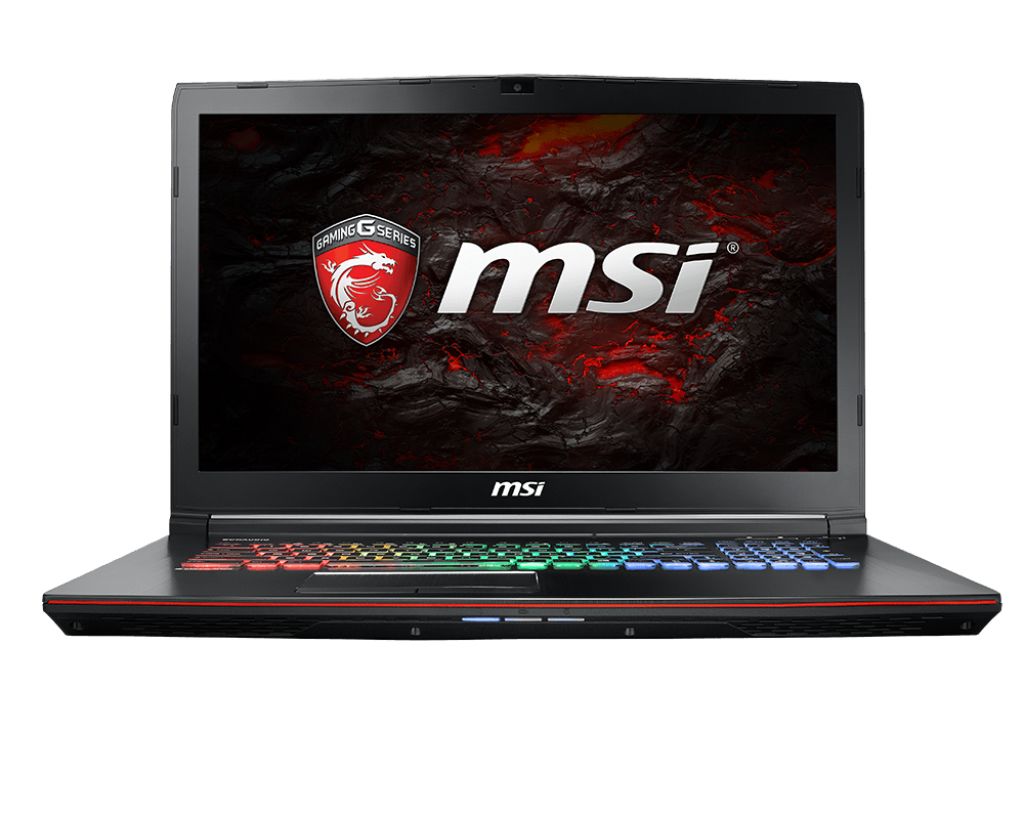
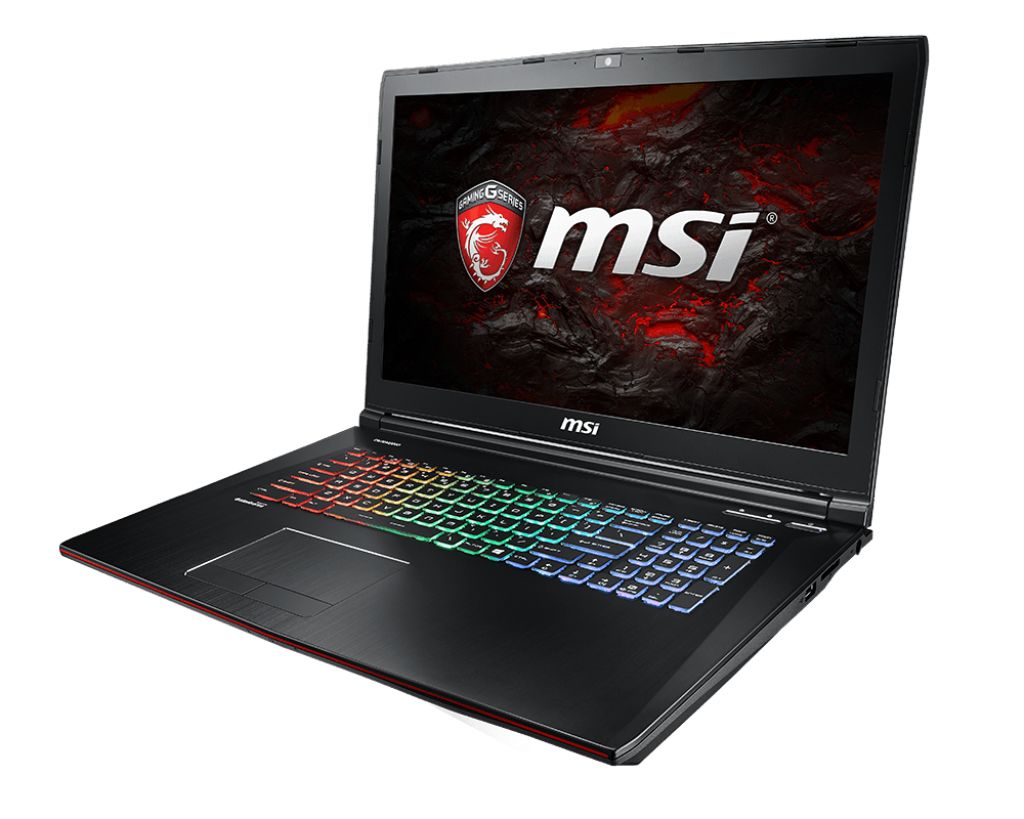
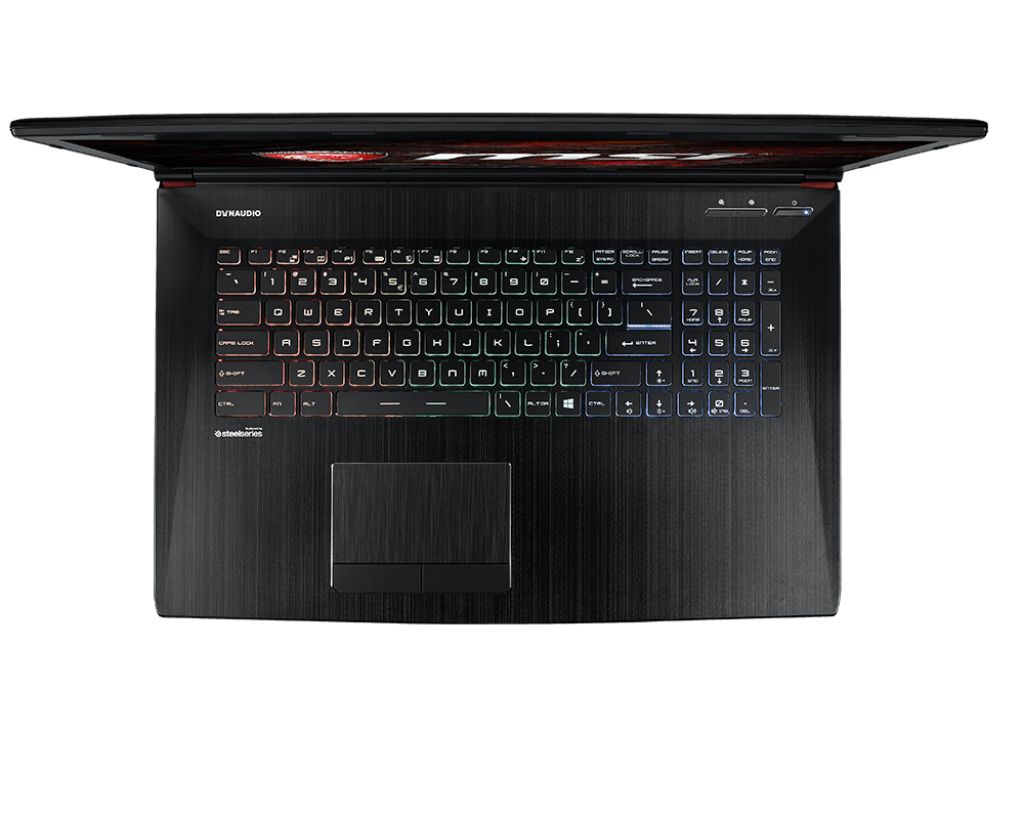
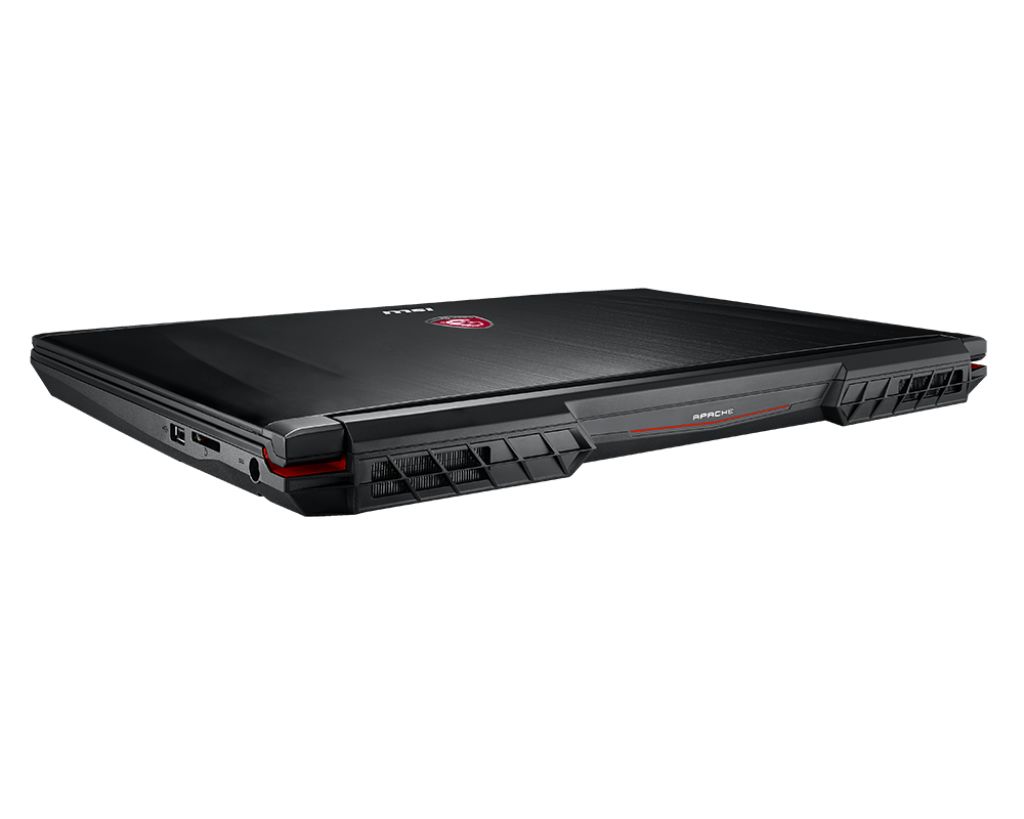
MSI GE72MVR 7RG(Apache Pro)-004NE Gaming series laptop features DDR4-SDRAM memory upgrade specifications. The laptop includes 2x SO-DIMM slots supporting a maximum RAM capacity of 32 GB. Compatible memory operates at 2400 MHz frequency with SO-DIMM form factor. Specifications indicate the GE72MVR 7RG(Apache Pro)-004NE Gaming series supports DDR4 memory upgrades for enhanced system performance and multitasking capabilities.
Memory Upgrade Specifications
| Specification | Value |
|---|---|
| Memory slots | 2x SO-DIMM |
| Form factor | SO-DIMM |
| Memory type | DDR4-SDRAM |
| Frequency | 2400 MHz |
| Maximum RAM | 32 GB |
| Voltage | 1.2V |
| Number of pins | 260-pin |
| Interface | PC4 |
| PC Speed Rating | PC4-2400 (PC4-19200) |
| Bandwidth | 19.2 GB/s |
| Laptop Release date | 08 February 2017 |
Additional Notes
- The MSI GE72MVR 7RG(Apache Pro)-004NE operates with DDR4 memory running at 2400 MHz, which is below contemporary DDR4 standard frequencies of 2666 MHz and higher. This results in reduced memory bandwidth availability compared to newer gaming systems, creating a performance ceiling that affects frame consistency in demanding titles.
- SO-DIMM slot architecture limits upgrade options to laptop-specific modules only. Desktop DDR4 components are physically incompatible and cannot be force-fitted without permanent damage to the system or module.
- The 2-slot configuration with a 32 GB ceiling establishes a hard maximum capacity constraint. Upgrading to 16 GB per slot (requiring matched pair replacement) represents the only viable path to maximum capacity; partial upgrades leave 1 occupied slot consuming power with diminishing returns.
- DDR4-2400 memory modules are increasingly difficult to source as manufacturers have largely discontinued this speed tier in favor of 2666 MHz and faster variants. Purchasing delays and price premiums are probable when acquiring matching replacement modules for asymmetrical upgrades.
- The 2-slot limitation prevents incremental memory expansion. Adding a single module to existing stock requires removing the current module if asymmetrical dual-channel configuration is to be avoided, essentially forcing replacement rather than augmentation.
- Memory bandwidth saturation occurs under sustained GPU load due to the combination of 2400 MHz frequency and limited slot count. Multitasking alongside gaming introduces latency stalls that cannot be mitigated through CPU overclocking alone.