MSI Gaming GE72 6QF Apache Pro 001-HID6 RAM upgrade specifications
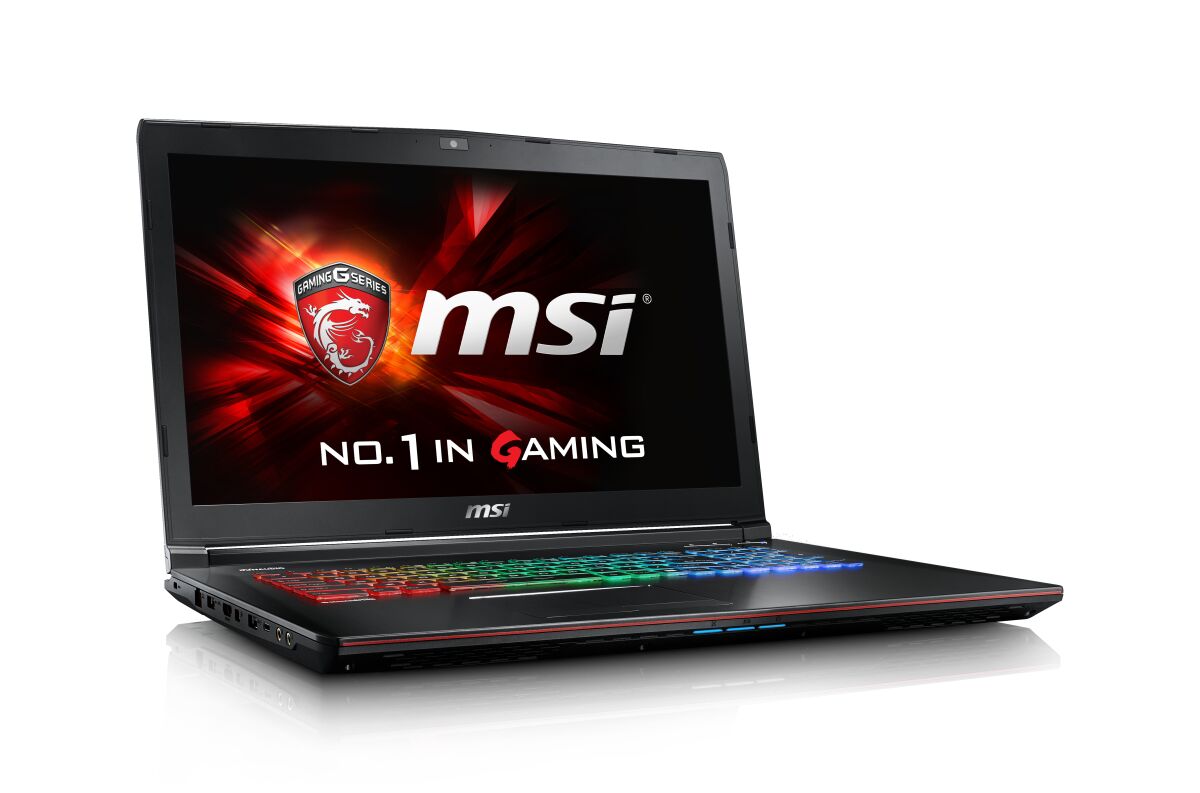
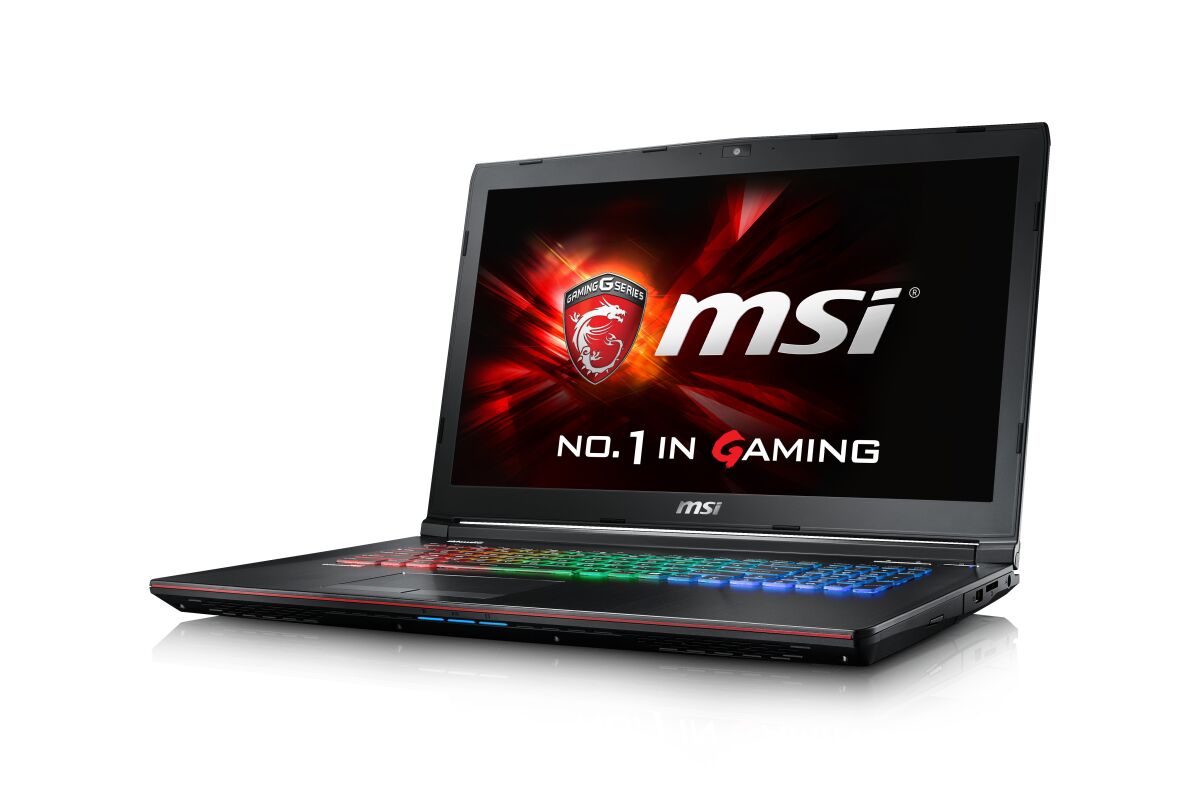
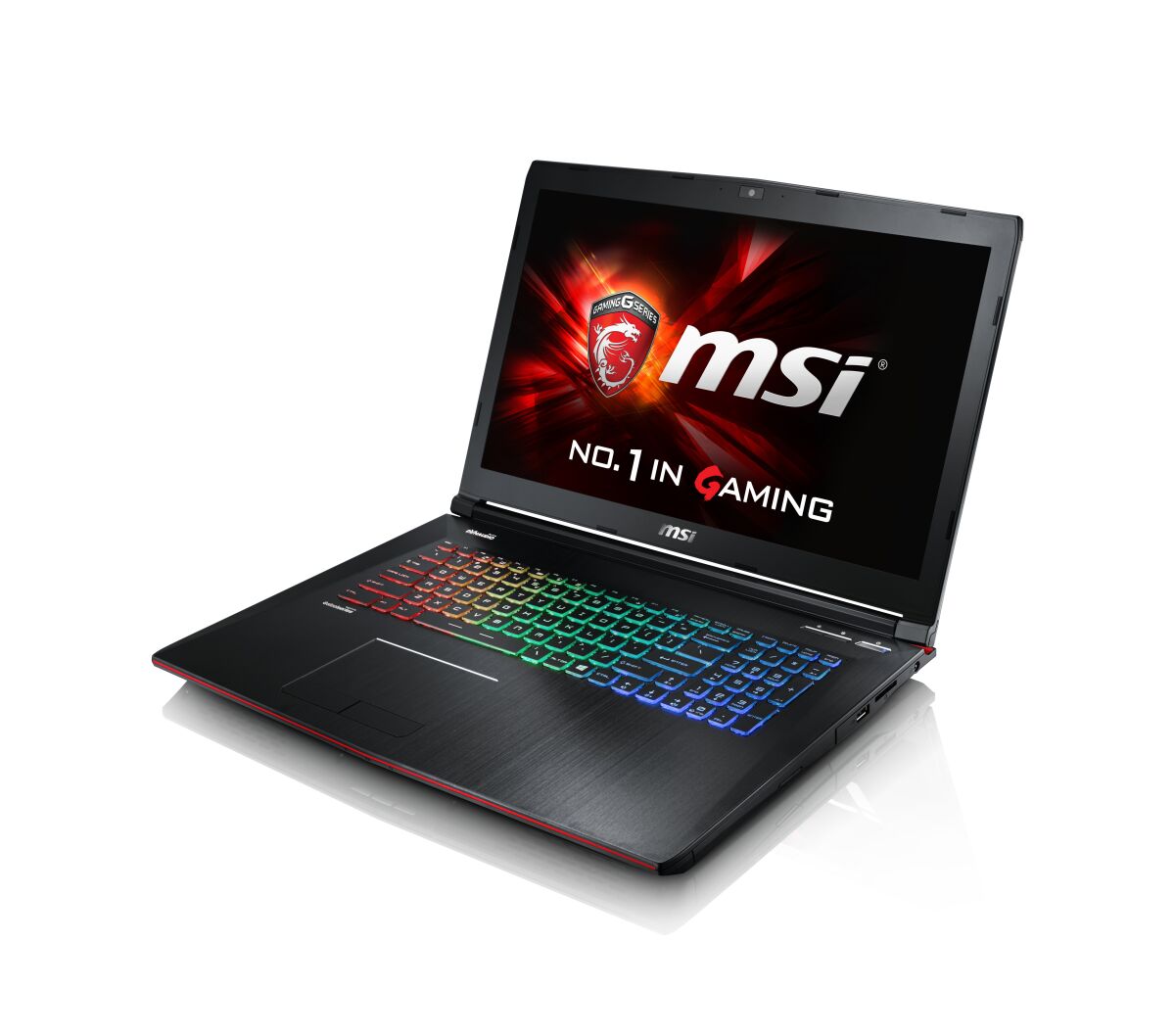
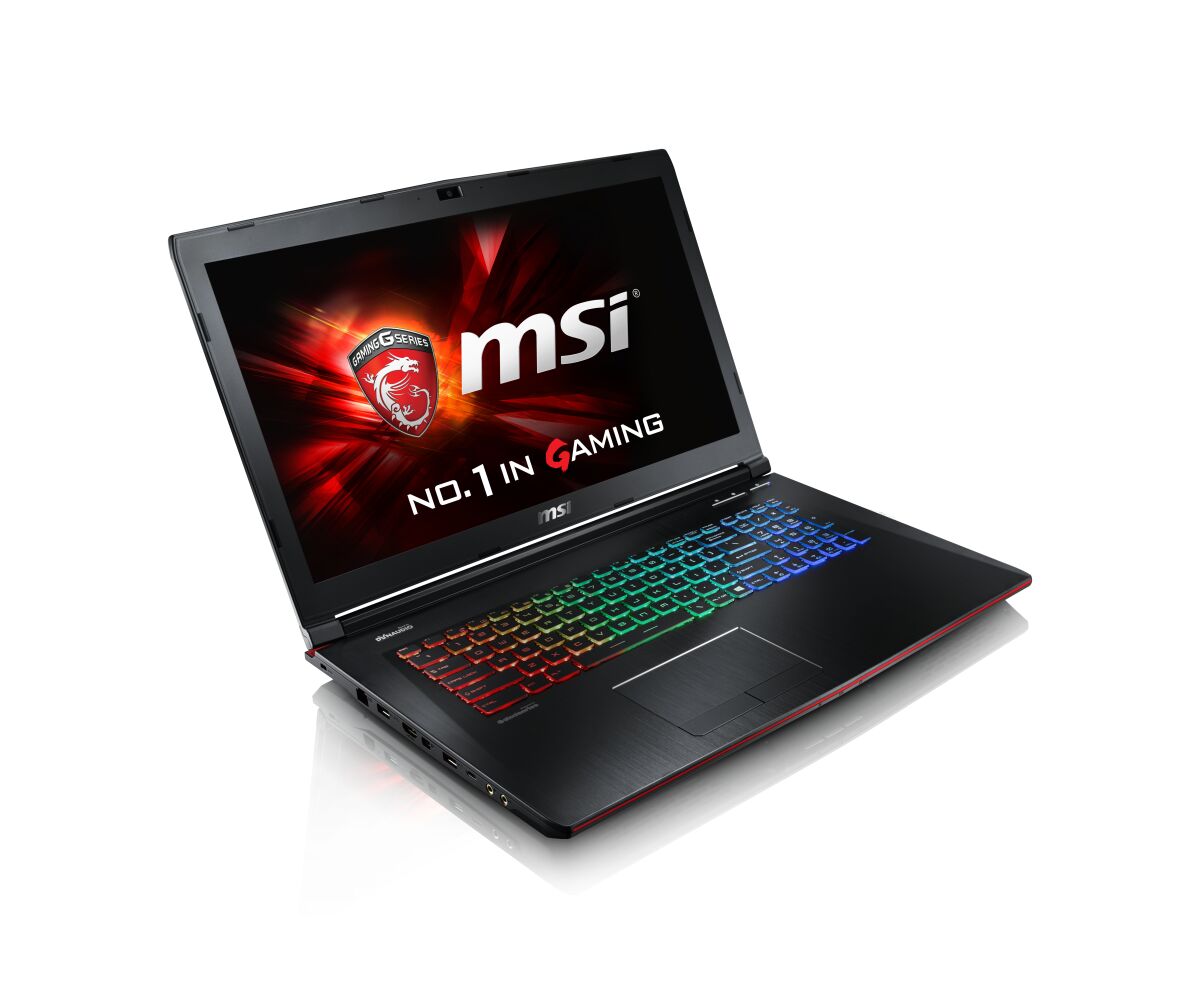
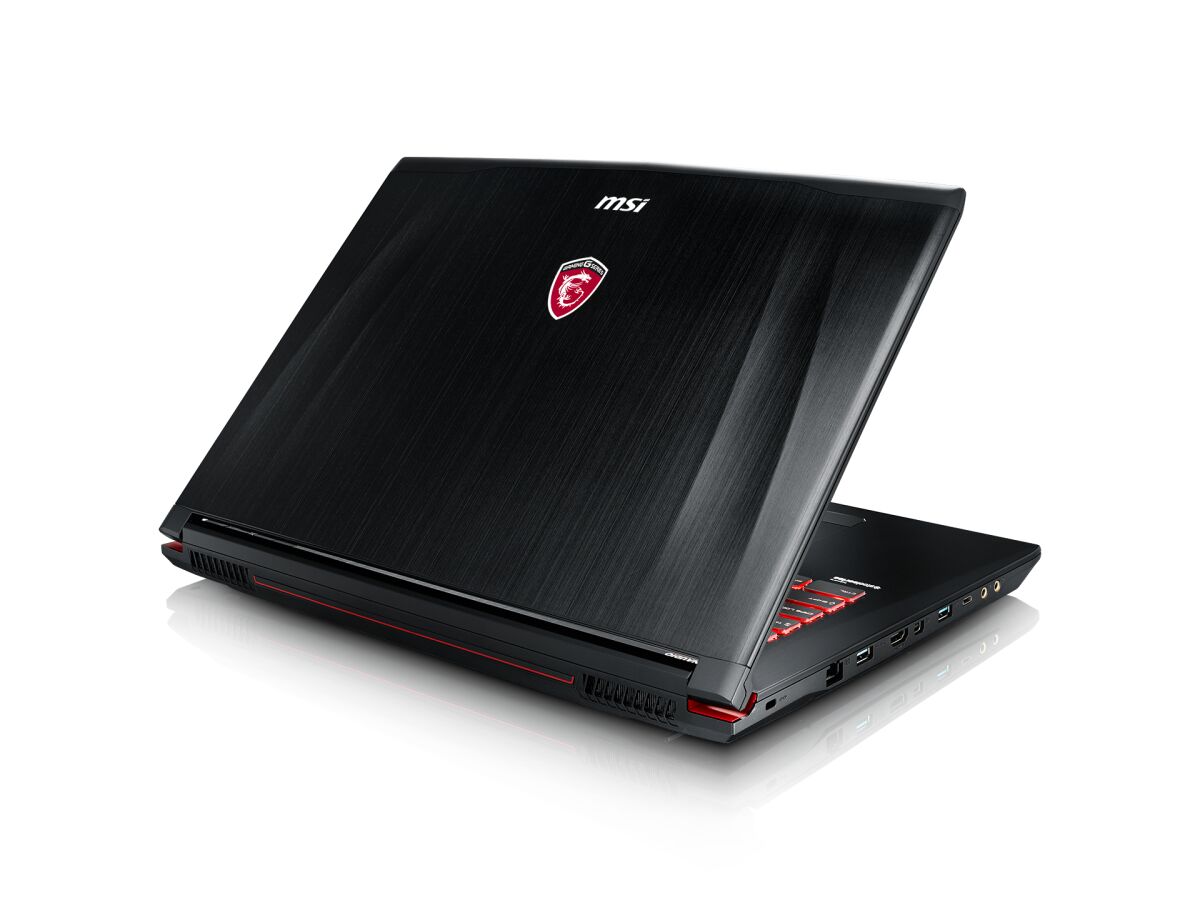
The MSI GE72 6QF Apache Pro 001-HID6 Gaming series laptop features DDR4-SDRAM memory specifications with two SO-DIMM slots available for upgrade. Maximum RAM capacity reaches 32 GB total, operating at 2133 MHz frequency. Compatible memory modules use SO-DIMM form factor for this gaming model. Upgrade specifications support DDR4 technology, allowing users to expand memory from factory configuration up to the maximum supported capacity of 32 GB across both available slots.
Memory Upgrade Specifications
| Specification | Value |
|---|---|
| Memory slots | 2x SO-DIMM |
| Form factor | SO-DIMM |
| Memory type | DDR4-SDRAM |
| Frequency | 2133 MHz |
| Maximum RAM | 32 GB |
| Voltage | 1.2V |
| Number of pins | 260-pin |
| Interface | PC4 |
| PC Speed Rating | PC4-2133 (PC4-17064) |
| Bandwidth | 17.1 GB/s |
| Laptop Release date | 15 February 2018 |
Additional Notes
- The DDR4-SDRAM specification indicates this MSI GE72 6QF Apache Pro 001-HID6 requires voltage-regulated modules operating at 1.2V, which differs from DDR3's 1.5V standard and prevents backward compatibility with older memory types.
- The 2133 MHz frequency represents the JEDEC baseline for DDR4, resulting in a theoretical maximum bandwidth of 17 GB/s per channel when operating in dual-channel configuration across both populated slots.
- SO-DIMM form factor imposes a 67.6 mm module length constraint, requiring laptop-specific memory rather than standard desktop DIMM modules which measure 133.35 mm.
- The 32 GB maximum capacity allows for 2x 16 GB module configuration, though achieving this limit requires dual-rank modules which may introduce slightly higher latency compared to single-rank alternatives.
- Only 2 available memory slots means capacity expansion requires complete replacement of existing modules rather than simple addition, potentially rendering original memory unusable.
- The 2133 MHz specification represents a minimum supported speed, as the system may accept higher-frequency modules that will downclock to this baseline when installed.
- Dual-channel architecture activation requires matched module pairs in both slots, as asymmetric configurations force the system into single-channel mode with approximately 50% bandwidth reduction.
- Non-ECC unbuffered memory is required for consumer gaming platforms, as registered or error-correcting modules designed for server applications will not initialize properly.
- Physical installation requires accessing the bottom panel service door, and warranty preservation depends on whether the manufacturer classifies memory upgrades as user-serviceable or technician-only procedures.
- CAS latency specifications typically range from CL15 to CL17 for 2133 MHz DDR4 modules, with tighter timings providing marginal performance improvements in memory-intensive gaming scenarios.
- Thermal considerations become relevant when installing maximum capacity, as 32 GB configurations generate more heat than lower-density setups in the confined laptop chassis environment.