MSI Gaming GE72 7RE-1231IT Apache Pro RAM upgrade specifications


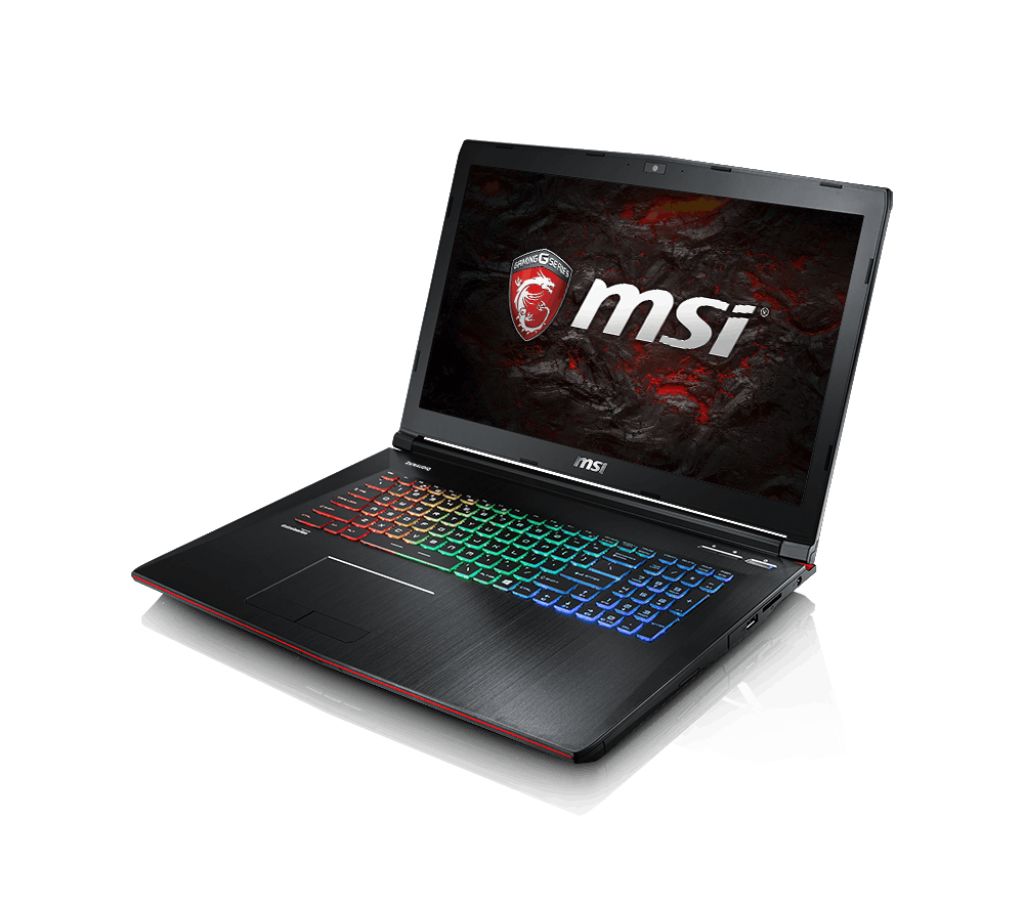
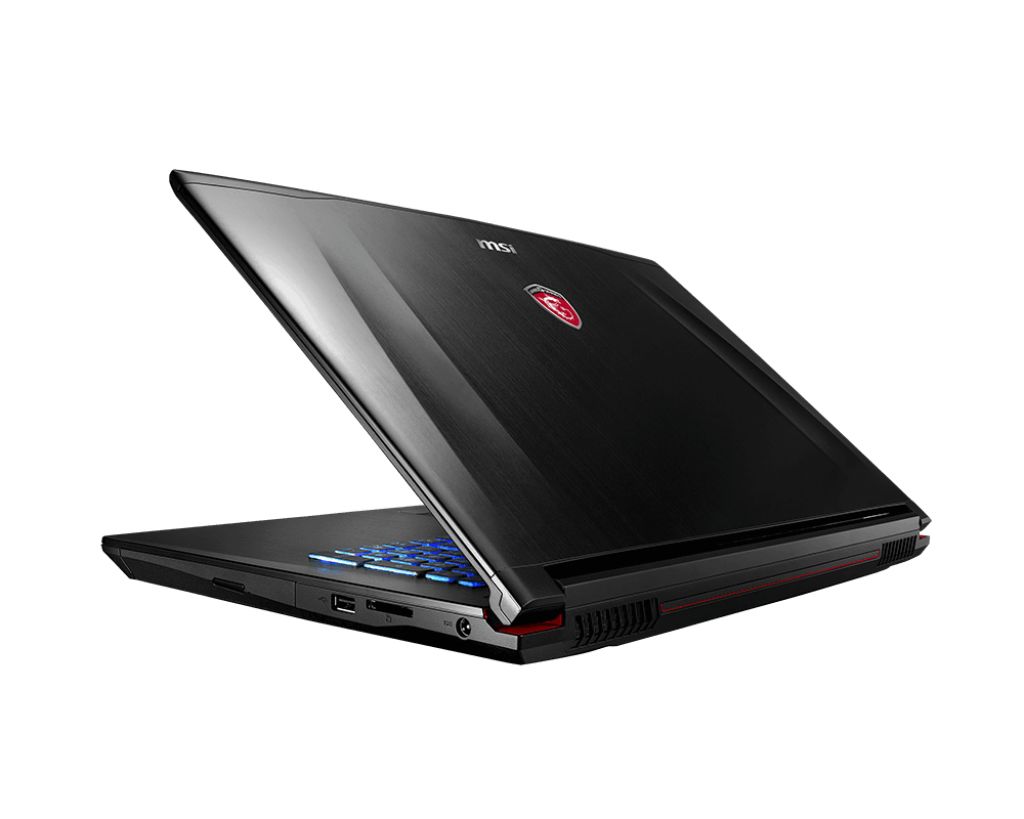
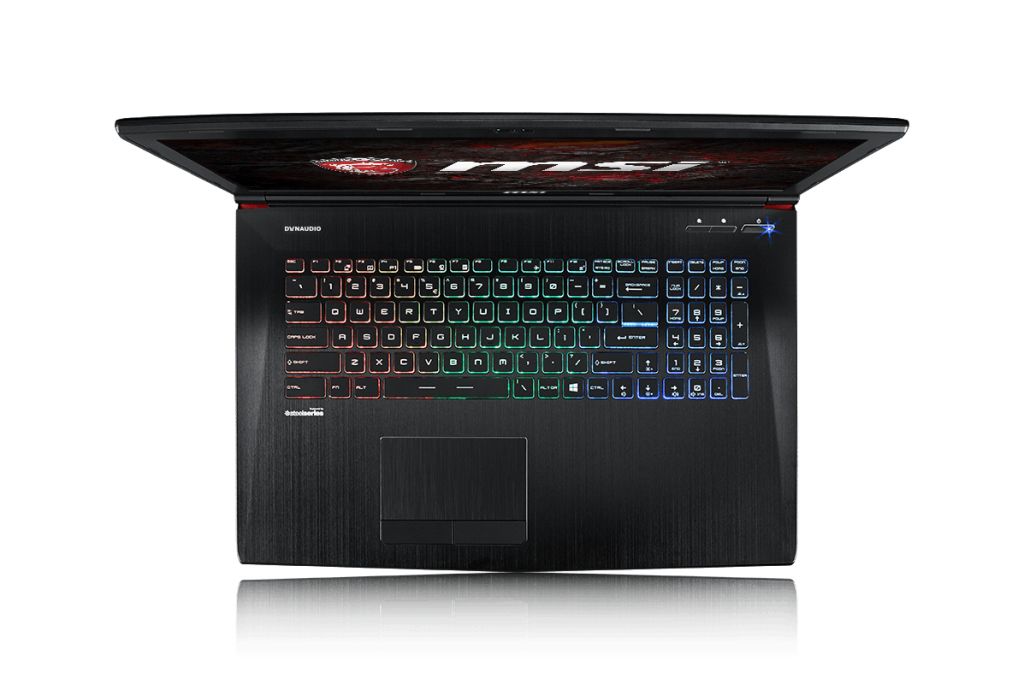
The MSI GE72 7RE-1231IT Apache Pro gaming laptop contains two SO-DIMM slots for DDR4-SDRAM memory upgrades. Maximum supported RAM capacity reaches 32 GB total, with compatible modules operating at 2400 MHz frequency. Memory upgrade specifications indicate SO-DIMM form factor compatibility for this MSI Gaming GE series model. Current and expanded RAM configurations utilize DDR4 technology across the available slot architecture.
Memory Upgrade Specifications
| Specification | Value |
|---|---|
| Memory slots | 2x SO-DIMM |
| Form factor | SO-DIMM |
| Memory type | DDR4-SDRAM |
| Frequency | 2400 MHz |
| Maximum RAM | 32 GB |
| Voltage | 1.2V |
| Number of pins | 260-pin |
| Interface | PC4 |
| PC Speed Rating | PC4-2400 (PC4-19200) |
| Bandwidth | 19.2 GB/s |
| Laptop Release date | 21 March 2018 |
Additional Notes
- The MSI GE72 7RE-1231IT Apache Pro operates on a dual-channel memory architecture, meaning both slots must be populated with matched modules to achieve optimal bandwidth utilization.
- Single-channel configurations will halve the available memory bandwidth, potentially creating bottlenecks in gaming scenarios where GPU performance depends on rapid data transfer from system RAM.
- DDR4-2400 represents the maximum officially supported speed, though modules rated at higher frequencies may physically install but will automatically downclock to this specification.
- The 32 GB ceiling requires 2 modules of 16 GB each, as the chipset's memory controller limits total addressable capacity regardless of theoretical slot maximums.
- SO-DIMM modules measuring 67.6 mm in length are standard, but low-profile heat spreaders are advisable to prevent clearance conflicts with the laptop's bottom panel or thermal assembly.
- Non-ECC unbuffered modules are required, as registered or error-correcting variants designed for server platforms will not initialize on consumer mobile chipsets.
- Mixing modules of different densities, such as 8 GB with 16 GB, will force the system to operate in asymmetric dual-channel mode, degrading performance compared to symmetric configurations.
- Voltage must remain at the DDR4 standard of 1.2V, as higher-voltage performance modules risk thermal throttling in the confined airflow environment of gaming laptops.
- Installation requires complete battery disconnection and discharge of residual power to prevent data corruption or module damage from static discharge during handling.
- Warranty preservation typically depends on using approved memory types, though most manufacturers permit user-installed RAM provided no physical damage occurs to surrounding components.
- The 7th generation Intel Core platform in this chassis supports dual-rank modules, but quad-rank configurations may cause stability issues under sustained memory-intensive workloads.
- Memory timing profiles stored in the module's SPD chip will auto-configure at JEDEC standard latencies, though XMP profiles designed for desktop platforms will be ignored by the mobile BIOS.