MSI Gaming GE75 10SGS-222 Raider RAM upgrade specifications
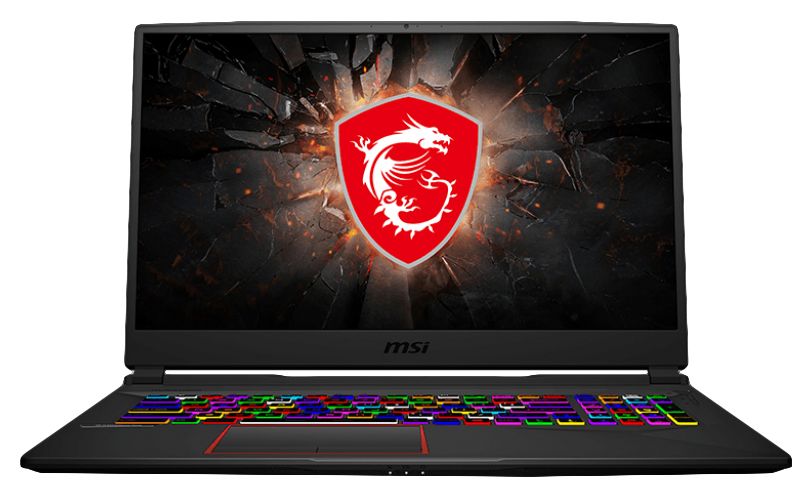
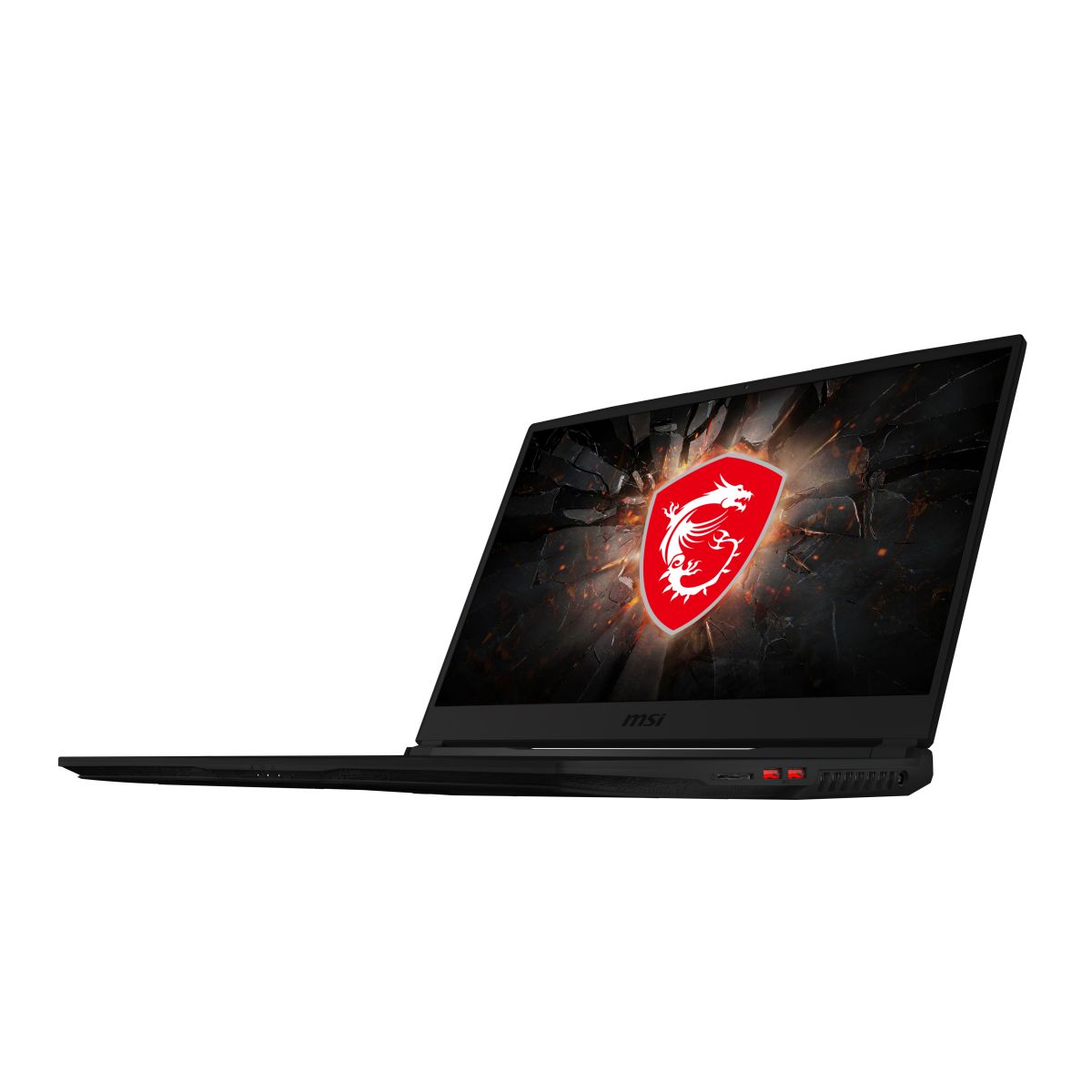

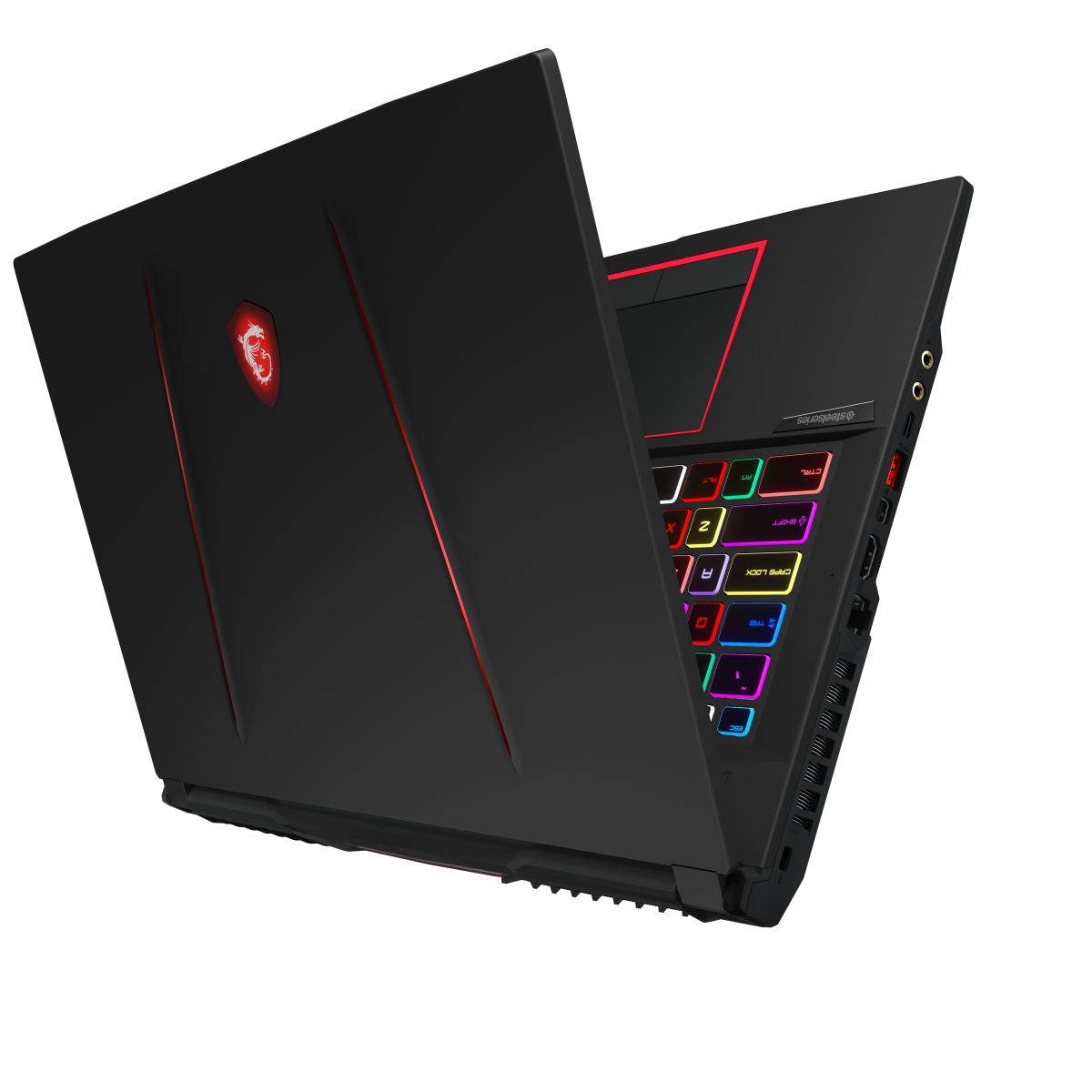
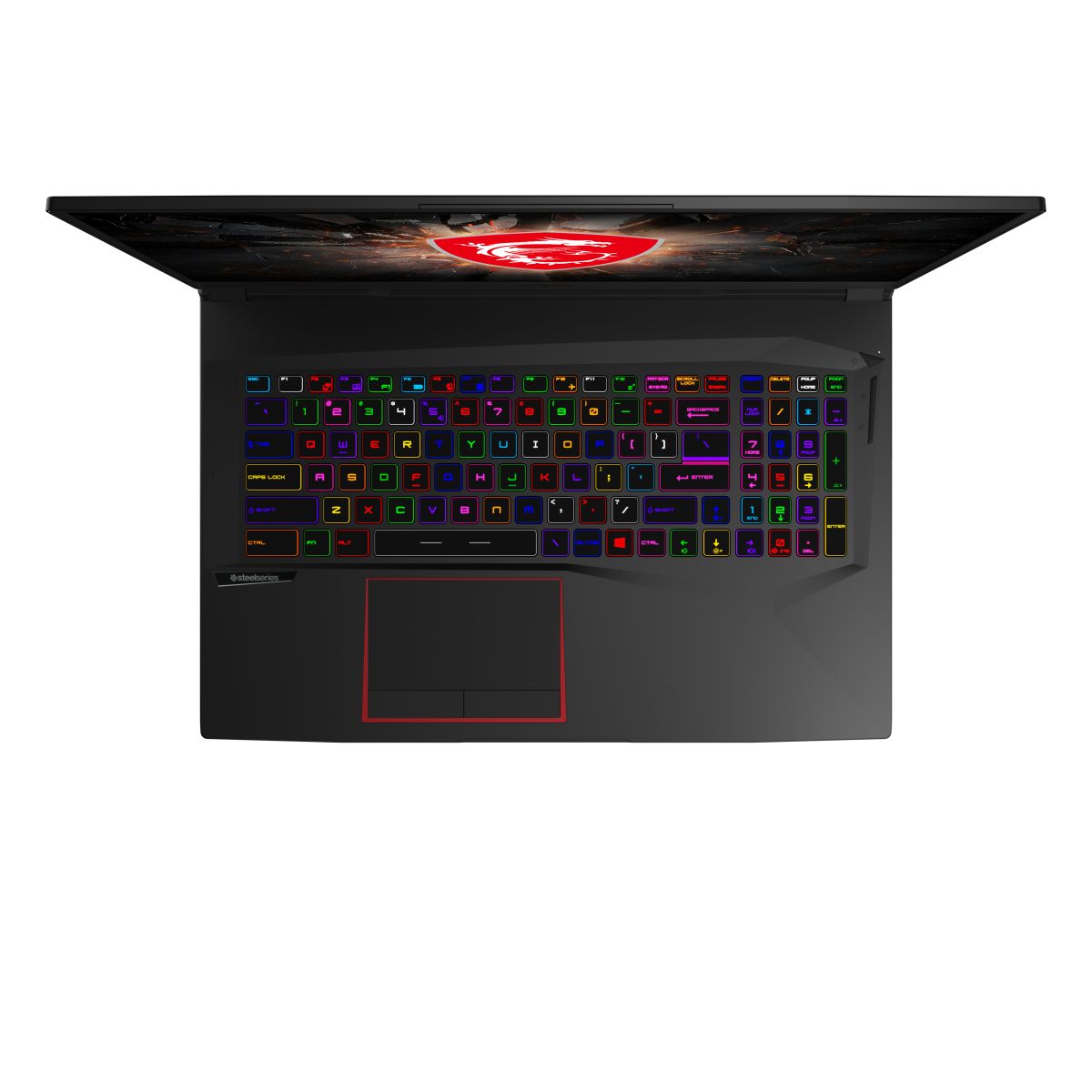
The MSI GE75 10SGS-222 Raider Gaming series laptop supports DDR4-SDRAM memory upgrades with 2x SO-DIMM slots. Maximum RAM capacity reaches 64 GB total. The memory form factor utilizes SO-DIMM modules operating at 2666 MHz frequency. Upgrade specifications indicate compatible memory configurations for enhanced system performance and multitasking capabilities on the GE75 Raider model.
Memory Upgrade Specifications
| Specification | Value |
|---|---|
| Memory slots | 2x SO-DIMM |
| Form factor | SO-DIMM |
| Memory type | DDR4-SDRAM |
| Frequency | 2666 MHz |
| Maximum RAM | 64 GB |
| Voltage | 1.2V |
| Number of pins | 260-pin |
| Interface | PC4 |
| PC Speed Rating | PC4-2666 (PC4-21328) |
| Bandwidth | 21.3 GB/s |
| Laptop Release date | 13 April 2020 |
Additional Notes
- The 2x SO-DIMM slot configuration limits maximum capacity to 64 GB total, requiring 32 GB modules per slot to achieve the ceiling. Mixing capacities (such as 16 GB and 32 GB) remains functional but leaves upgrade headroom unused.
- DDR4-2666 MHz operates below contemporary DDR4 standards (3200 MHz peak), creating a potential 17% bandwidth deficit relative to newer gaming platforms. This MSI GE75 10SGS-222 Raider generation predates the widespread adoption of faster memory frequencies in consumer laptops.
- SO-DIMM modules installed in this system cannot be repurposed in desktop environments without an adapter, as desktop DIMM slots are mechanistically incompatible. Existing SO-DIMM memory modules lack forward compatibility with next-generation laptop platforms transitioning to DDR5 architecture.
- The 10th-generation mobile processor (indicated by "10" in model nomenclature) supports DDR4-3200 natively, yet the platform ships with DDR4-2666 specification. Upgrading to DDR4-3200 SO-DIMM modules may not produce frequency scaling benefits due to BIOS limitation rather than hardware incompatibility, requiring firmware verification before purchase.
- Dual-slot architecture prevents single-module upgrades from achieving symmetric dual-channel configuration. Installing a single replacement module while retaining the original creates asymmetric capacity pairing, which degrades memory throughput efficiency compared to matched pairs.
- Warranty coverage for aftermarket memory modules depends on MSI's service terms and OEM partnership agreements. Third-party SO-DIMM installation typically remains warranty-safe provided the system retains its original thermal and power management integrity during the replacement process.