MSI Gaming GE75 10SGS-223 Raider RAM upgrade specifications



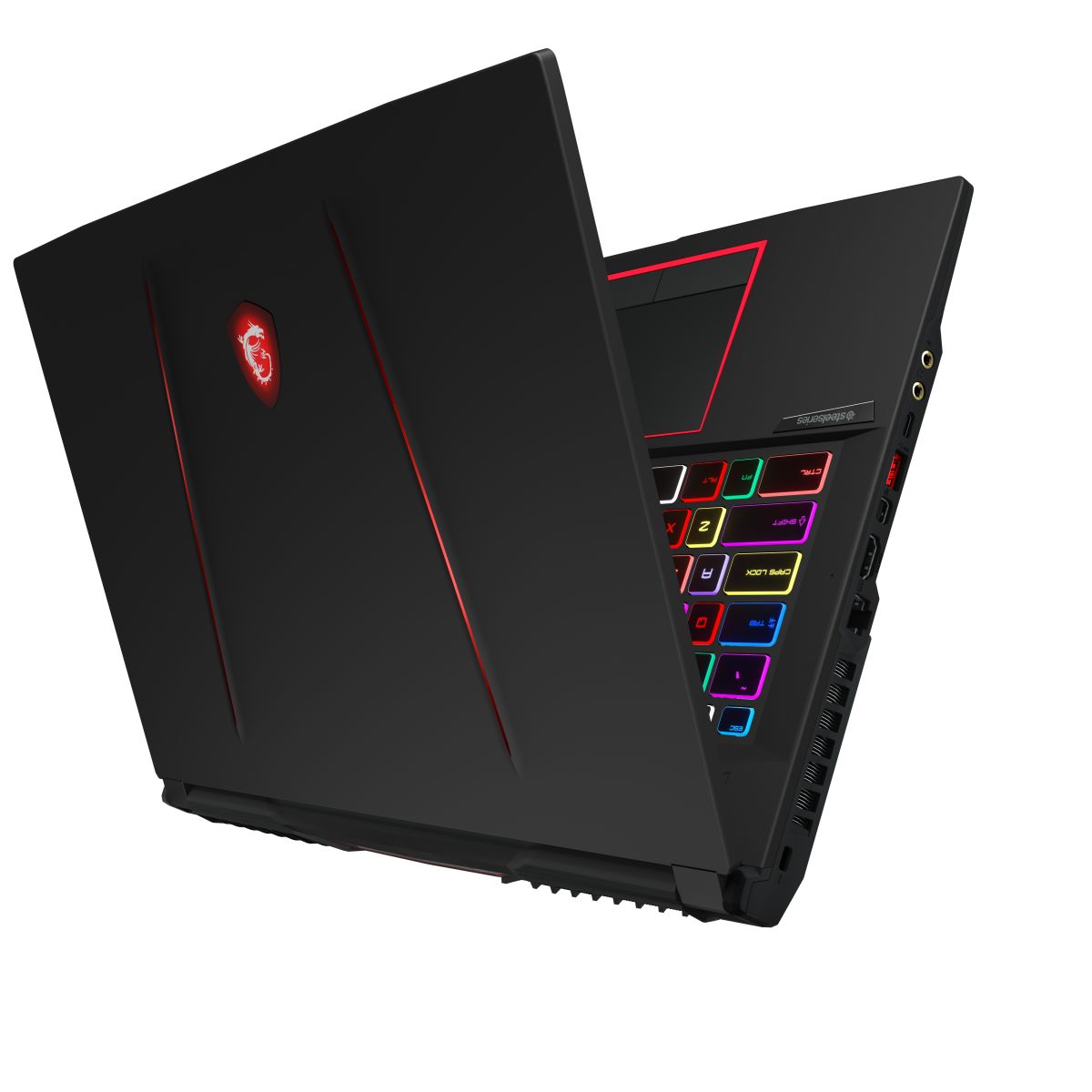
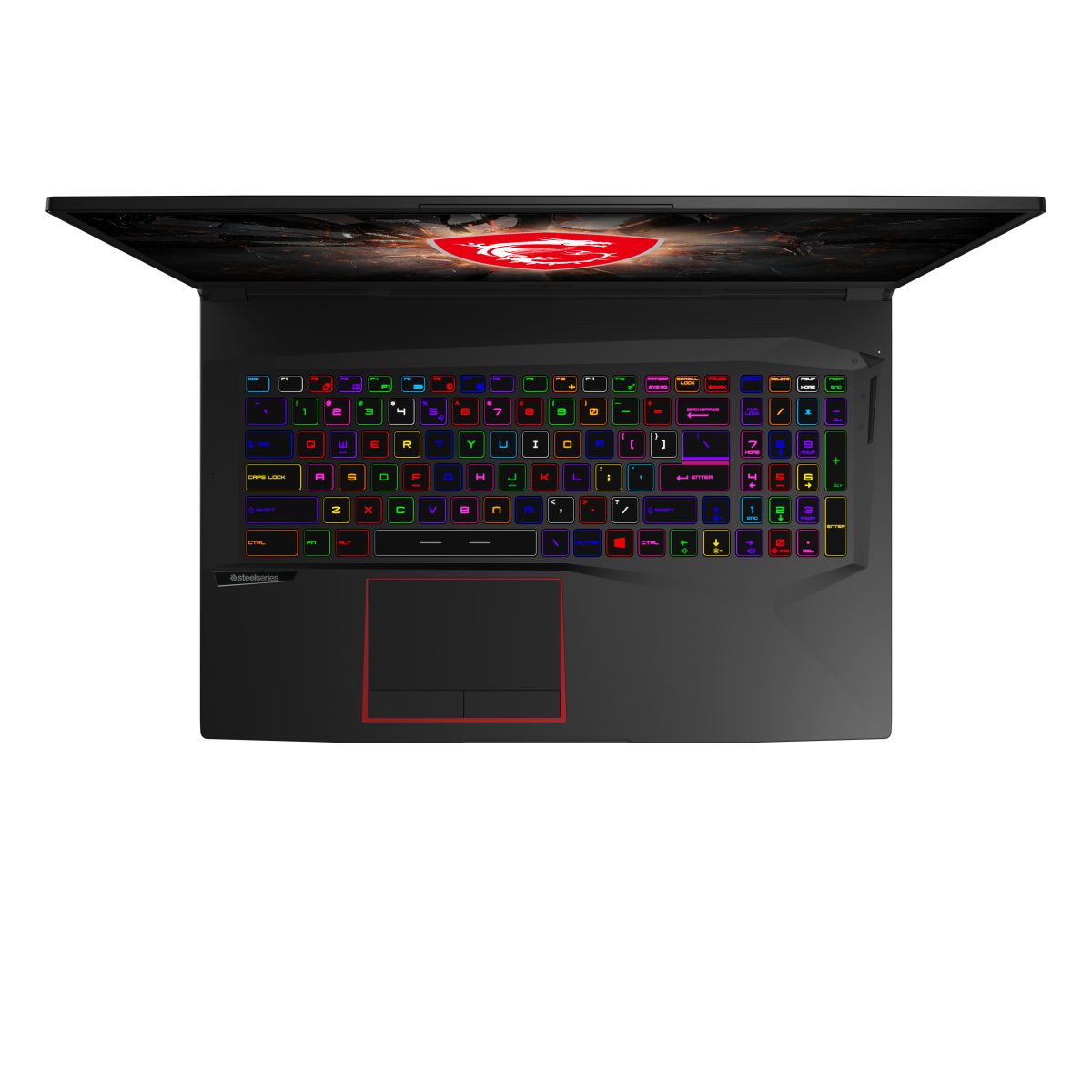
The MSI GE75 10SGS-223 Raider Gaming laptop supports DDR4-SDRAM memory upgrades with two SO-DIMM slots. Maximum RAM capacity reaches 64 GB, with operating frequency at 2666 MHz. The GE series Raider model accommodates SO-DIMM form factor modules. Specifications indicate compatible memory upgrades for enhanced multitasking and application performance on MSI's gaming platform.
Memory Upgrade Specifications
| Specification | Value |
|---|---|
| Memory slots | 2x SO-DIMM |
| Form factor | SO-DIMM |
| Memory type | DDR4-SDRAM |
| Frequency | 2666 MHz |
| Maximum RAM | 64 GB |
| Voltage | 1.2V |
| Number of pins | 260-pin |
| Interface | PC4 |
| PC Speed Rating | PC4-2666 (PC4-21328) |
| Bandwidth | 21.3 GB/s |
| Laptop Release date | 21 April 2020 |
Additional Notes
- The MSI GE75 10SGS-223 Raider accepts only notebook-sized SO-DIMM modules, preventing installation of standard desktop DIMM memory regardless of other specifications.
- The 64 GB ceiling requires 2 modules of 32 GB each, as single-slot configurations cannot reach maximum capacity with current module availability.
- DDR4-SDRAM backward compatibility allows installation of higher-frequency modules rated at 2933 MHz or 3200 MHz, though the system will downclock them to the native 2666 MHz specification.
- Dual-channel operation depends on installing matched pairs with identical capacity per slot, as mismatched configurations will revert to single-channel mode and reduce memory bandwidth.
- Non-ECC unbuffered modules are mandatory for this consumer platform, as server-grade ECC or registered memory types will not initialize during POST.
- CAS latency variations between CL19 and CL22 modules at 2666 MHz produce negligible real-world performance differences in gaming workloads despite differing timings.
- Voltage specification is locked at 1.2V for DDR4 operation, eliminating support for legacy DDR3L or high-performance DDR4 modules requiring 1.35V or alternative power profiles.
- Memory upgrades maintain OEM warranty coverage when using JEDEC-standard modules, whereas overclocked XMP-profiled RAM may void thermal or stability guarantees depending on regional service terms.
- The 2-slot configuration requires complete removal of factory-installed modules when upgrading to maximum capacity, as no additional slots exist for incremental expansion.
- 10th-generation Intel Core platform compatibility ensures proper recognition of 64 GB configurations without BIOS microcode updates that plagued earlier chipset generations.