MSI Gaming GE75 10SGS-227CA Raider RAM upgrade specifications
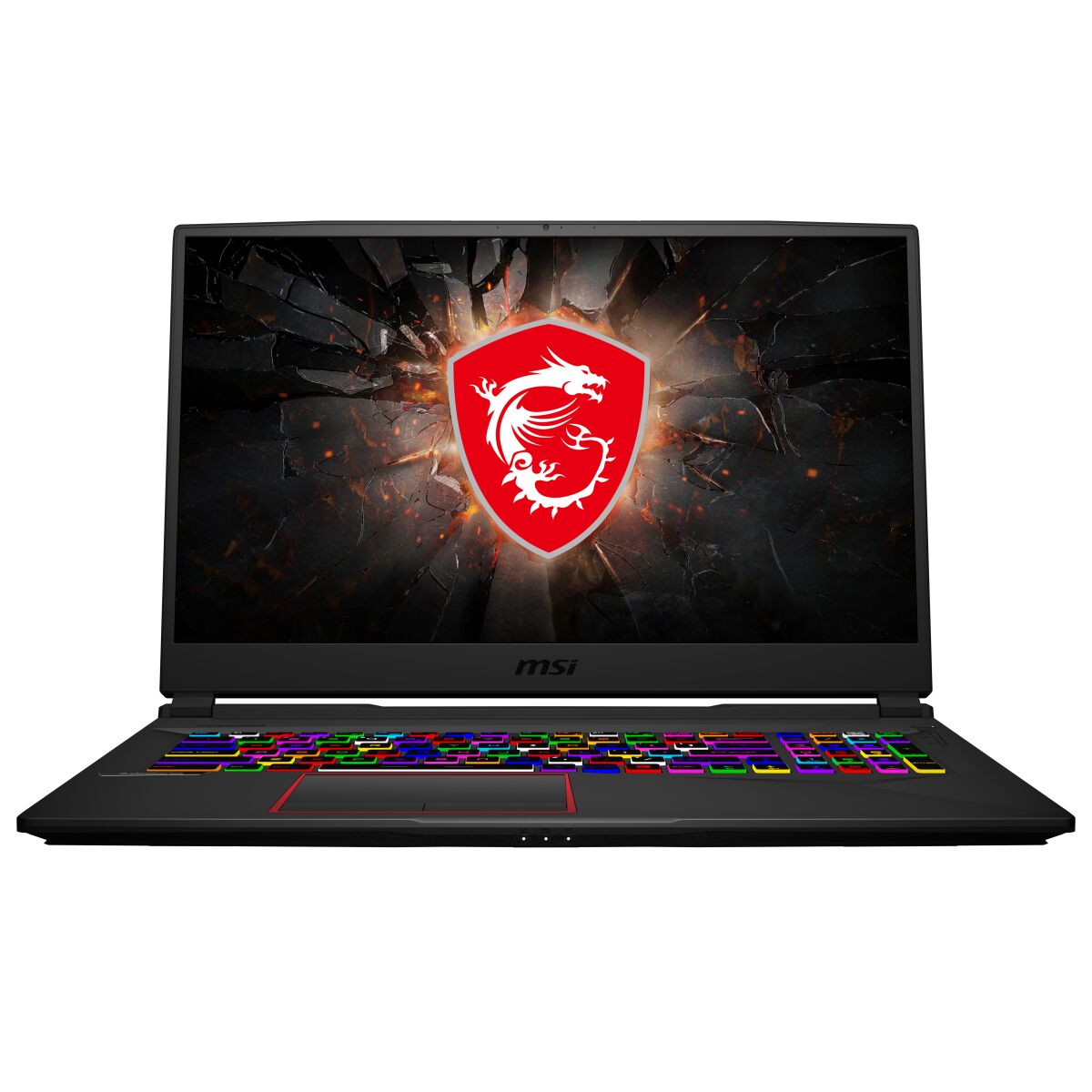
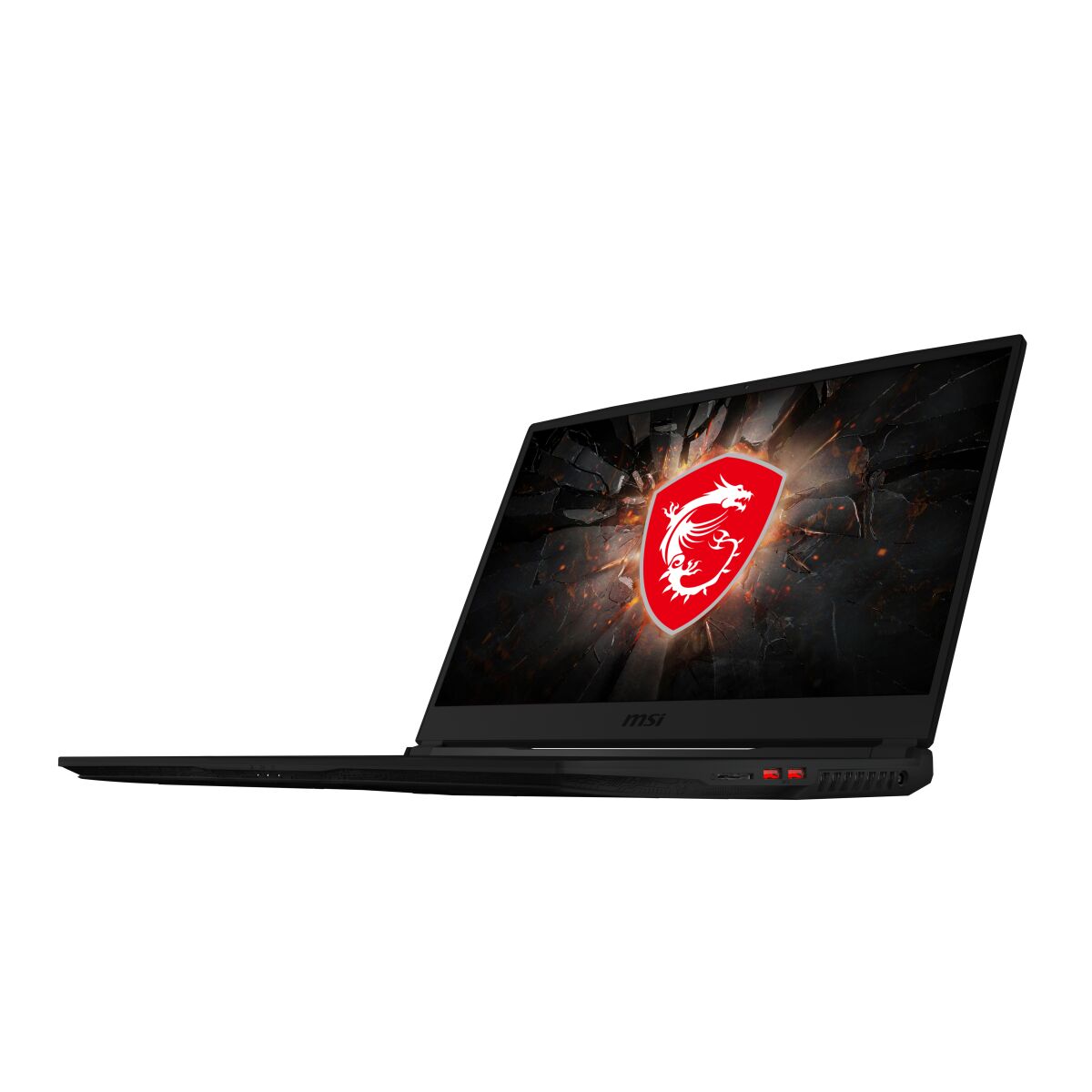

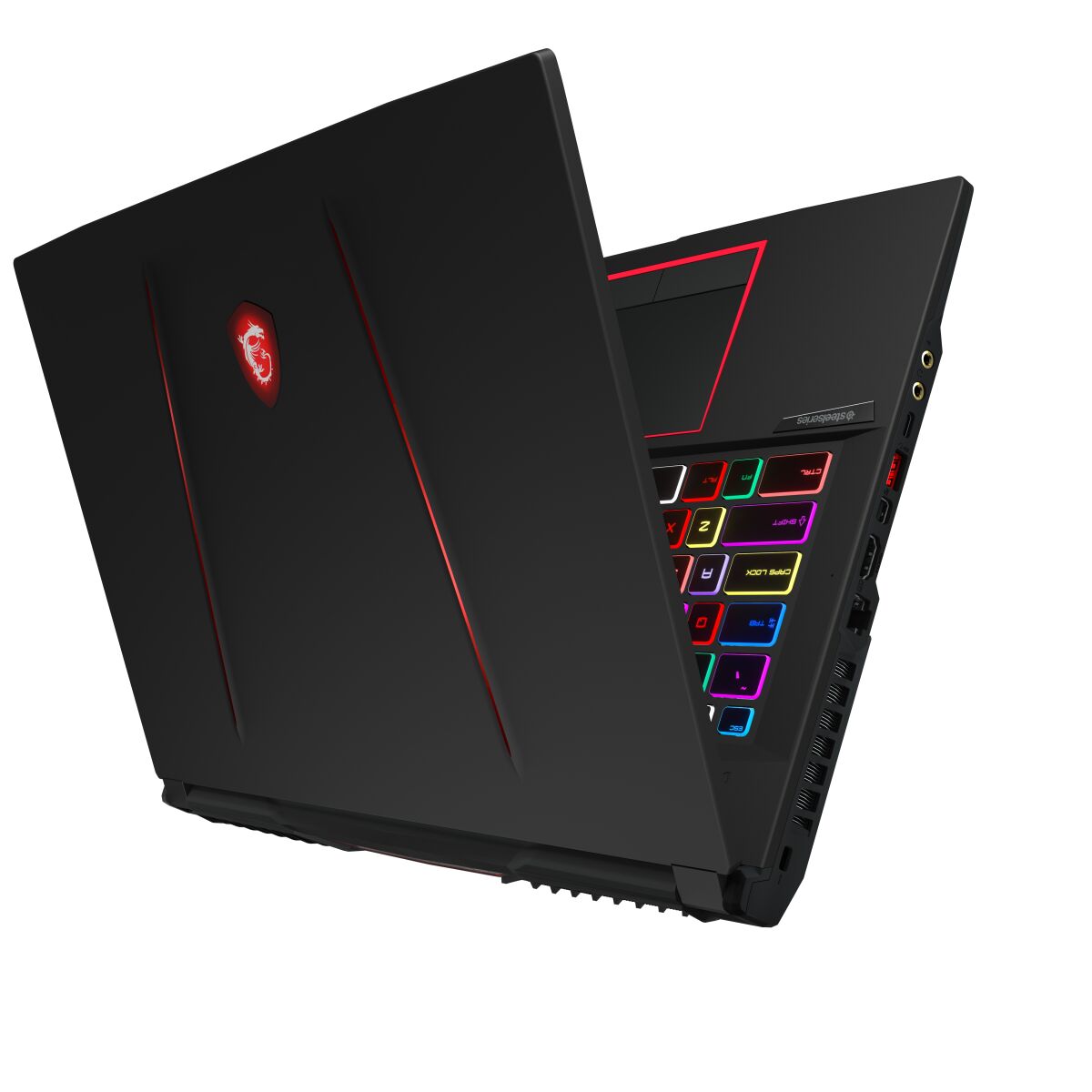
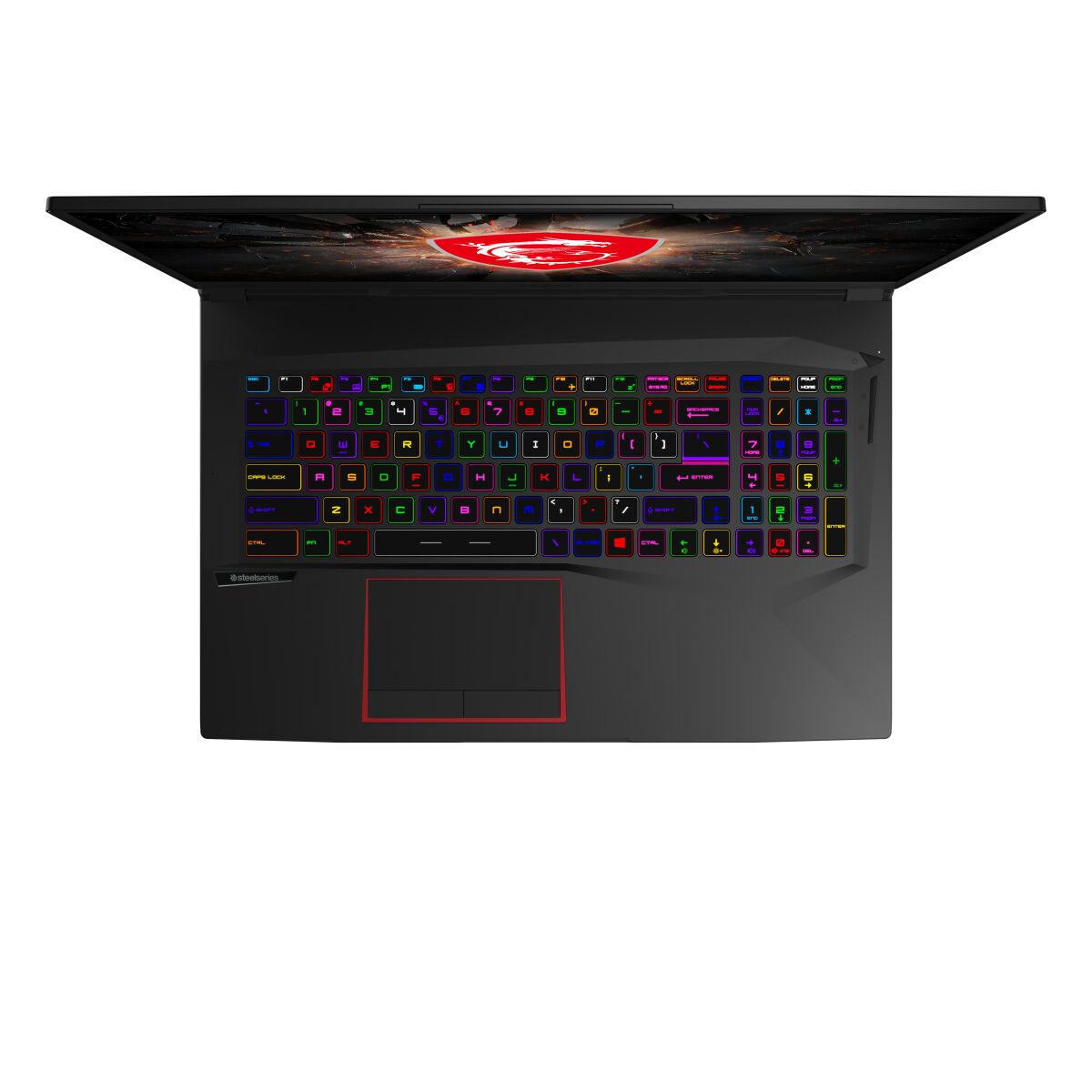
The MSI GE75 10SGS-227CA Raider gaming laptop features two SO-DIMM memory slots supporting DDR4-SDRAM upgrades. The system supports maximum RAM capacity of 64 GB, with compatible memory operating at 2666 MHz frequency. Specifications indicate the GE series Raider model accepts SO-DIMM form factor modules for memory expansion. Upgrade options allow users to install compatible DDR4-SDRAM modules in the available slots to reach the maximum supported capacity specifications for enhanced system performance.
Memory Upgrade Specifications
| Specification | Value |
|---|---|
| Memory slots | 2x SO-DIMM |
| Form factor | SO-DIMM |
| Memory type | DDR4-SDRAM |
| Frequency | 2666 MHz |
| Maximum RAM | 64 GB |
| Voltage | 1.2V |
| Number of pins | 260-pin |
| Interface | PC4 |
| PC Speed Rating | PC4-2666 (PC4-21328) |
| Bandwidth | 21.3 GB/s |
| Laptop Release date | 21 April 2020 |
Additional Notes
- The MSI GE75 10SGS-227CA Raider uses notebook-class SO-DIMM slots rather than full-size DIMM connectors, restricting upgrade options to mobile memory modules and eliminating compatibility with desktop DDR4 RAM.
- Native memory frequency of 2666 MHz establishes a performance ceiling for mixed-speed configurations; installing faster DDR4 modules will downclock to this baseline, negating speed advantages and wasting upgrade investment.
- Dual-slot architecture with 64 GB theoretical maximum means each SO-DIMM slot accepts 32 GB modules; upgrading from factory configuration to full capacity requires replacing both existing sticks simultaneously rather than adding a single module.
- SO-DIMM form factor occupies minimal physical space on the motherboard, likely positioning memory slots in tight proximity to other components; thermal clearance around the upgrade area may restrict height of modules with substantial heatspreaders.
- DDR4-2666 specification aligns with 10th-generation Intel mobile processors; pairing memory faster than 2666 MHz provides no functional benefit on this platform generation and represents cost inefficiency in the upgrade path.
- Warranty retention during memory upgrade typically requires purchasing replacement modules meeting exact specifications; sourcing mismatched frequencies, capacities, or vendors risks triggering void clauses or compatibility failures that manufacturers may classify as user-induced hardware damage.