MSI Gaming GE75 10SGS-228AU Raider RAM upgrade specifications



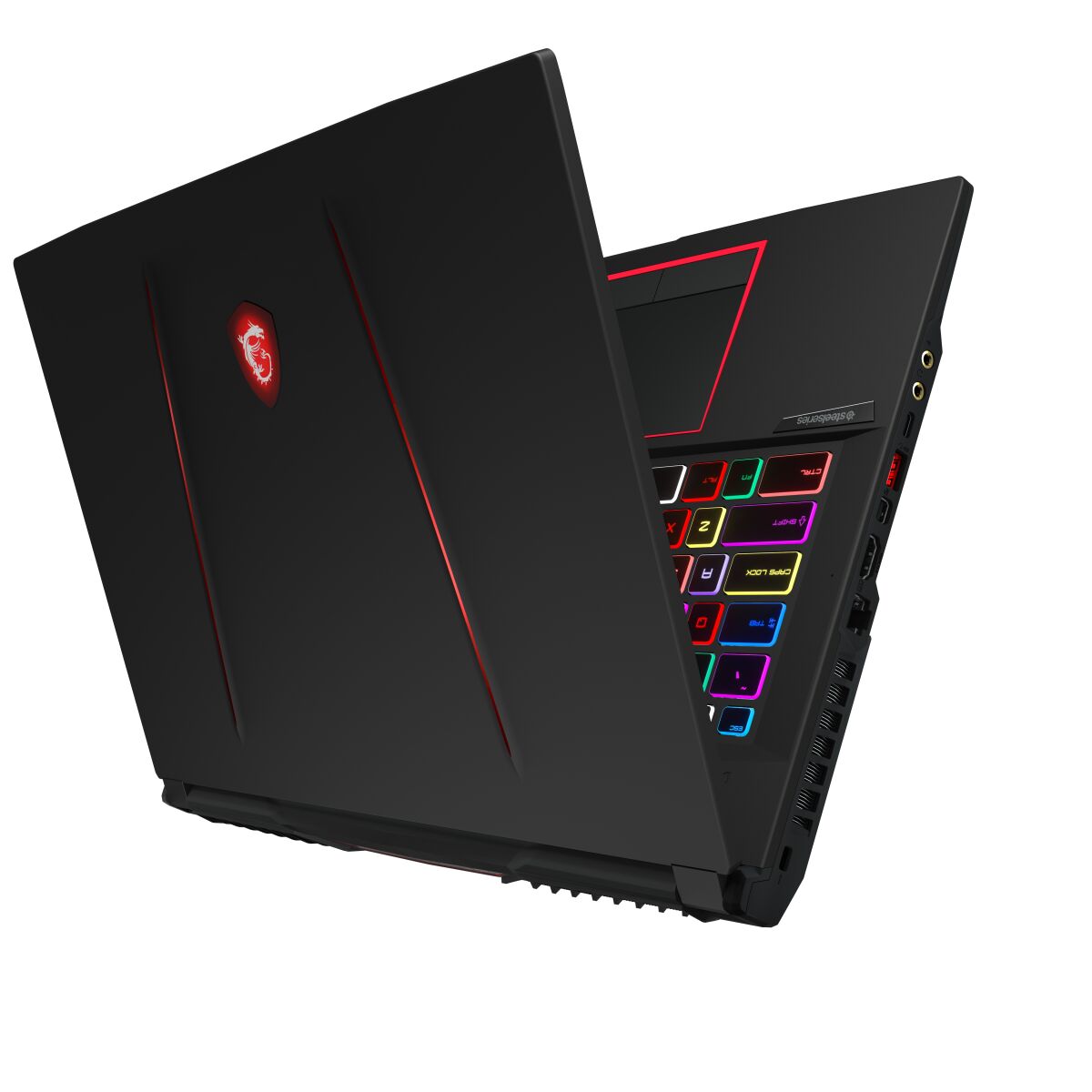

The MSI GE75 10SGS-228AU Raider Gaming series laptop features DDR4-SDRAM memory upgrade specifications with 2x SO-DIMM slots supporting maximum capacity of 64 GB. Compatible RAM modules operate at 2666 MHz frequency using SO-DIMM form factor. Current memory configuration allows for expansion to enhance system performance through DDR4 memory module installation in available upgrade slots.
Memory Upgrade Specifications
| Specification | Value |
|---|---|
| Memory slots | 2x SO-DIMM |
| Form factor | SO-DIMM |
| Memory type | DDR4-SDRAM |
| Frequency | 2666 MHz |
| Maximum RAM | 64 GB |
| Voltage | 1.2V |
| Number of pins | 260-pin |
| Interface | PC4 |
| PC Speed Rating | PC4-2666 (PC4-21328) |
| Bandwidth | 21.3 GB/s |
| Laptop Release date | 21 April 2020 |
Additional Notes
- The SO-DIMM form factor limits upgrade options to laptop-specific memory modules, excluding standard desktop DDR4 variants that are physically incompatible with the slot configuration.
- Native 2666 MHz frequency operates below current DDR4 standards, creating potential bandwidth constraints when pairing with newer 3200 MHz or faster modules, as the system will downclock faster memory to native specifications.
- 2 memory slots represent a dual-channel architecture; single-slot upgrades will not achieve dual-channel performance benefits, requiring paired modules for optimal memory bandwidth utilization.
- 64 GB maximum capacity indicates 32 GB SO-DIMM modules represent the upper density threshold; future memory requirements exceeding this ceiling cannot be accommodated through upgrades on the MSI GE75 10SGS-228AU Raider.
- Populated slots limit immediate expansion path; upgrading from factory configuration may require removing existing modules rather than simple additive installation, depending on current memory configuration.
- SO-DIMM modules generate higher thermal density than desktop equivalents due to form factor constraints, necessitating adequate airflow around memory compartment and potentially affecting thermal throttling behavior if adjacent to exhaust zones.
- Memory compatibility with this generation's 10th-series processor architecture requires verification of module CAS latency and voltage specifications, as some third-party DDR4 modules may exhibit stability issues despite meeting frequency specifications.