MSI Gaming GE75 8RE-015FR Raider RAM upgrade specifications

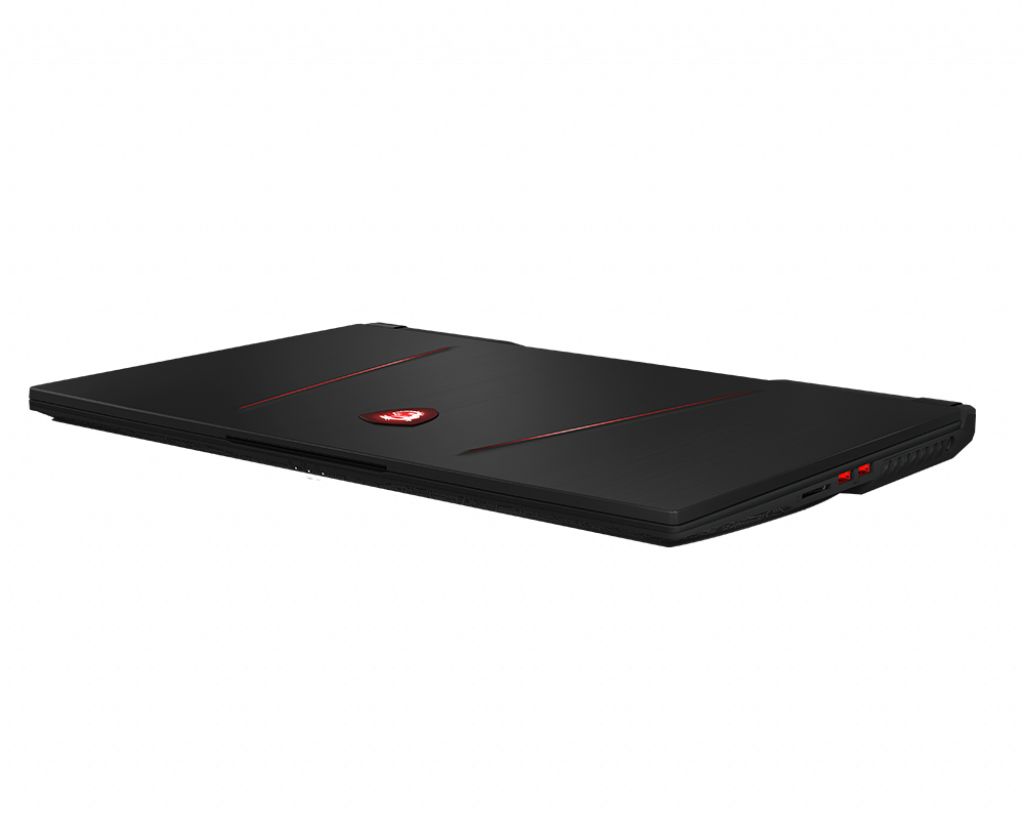

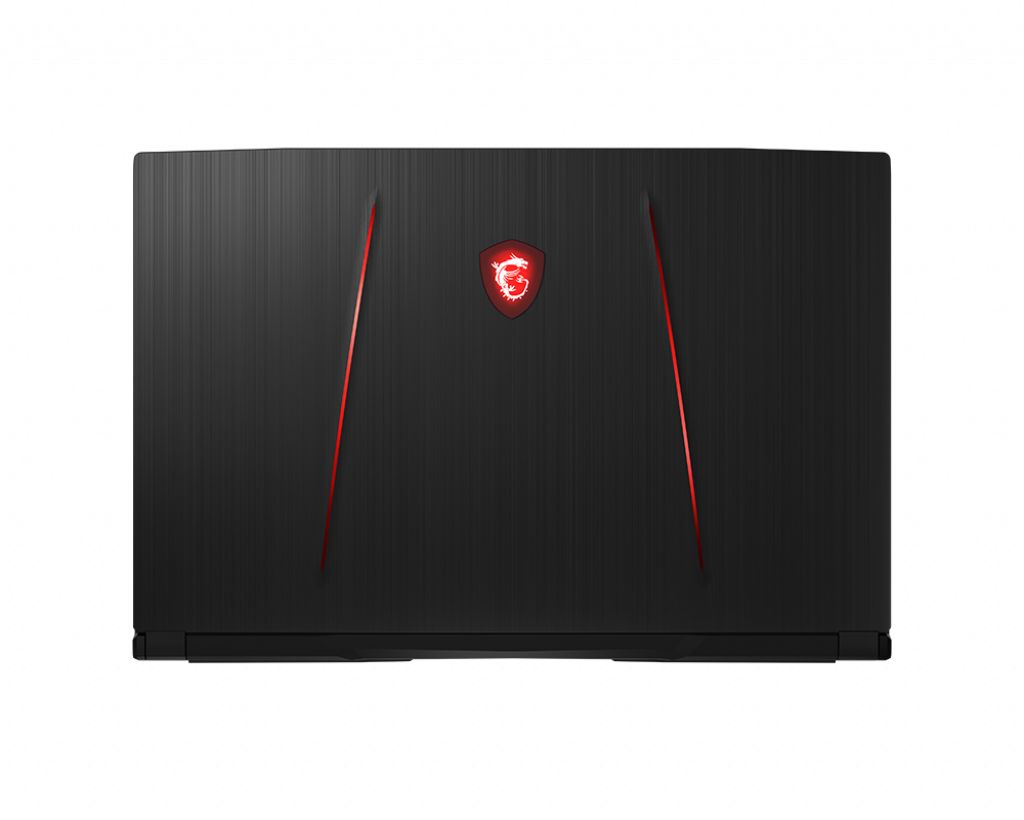
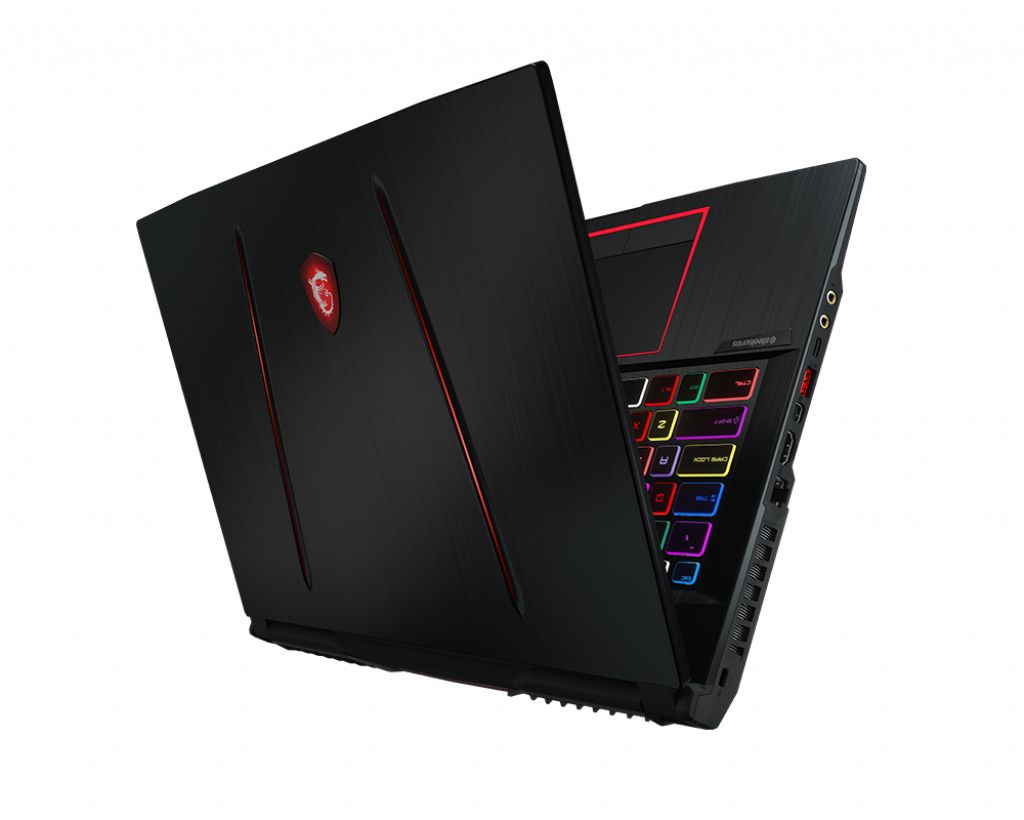
The MSI GE75 8RE-015FR Raider gaming laptop supports DDR4-SDRAM memory upgrades through two SO-DIMM slots. The maximum RAM capacity is 32 GB, with compatible memory operating at 2666 MHz frequency. Upgrade specifications include SO-DIMM form factor modules, allowing configuration of dual-channel memory for enhanced performance. The GE Series supports memory expansion from factory configurations to the maximum 32 GB capacity through compatible DDR4 modules meeting specified frequency requirements.
Memory Upgrade Specifications
| Specification | Value |
|---|---|
| Memory slots | 2x SO-DIMM |
| Form factor | SO-DIMM |
| Memory type | DDR4-SDRAM |
| Frequency | 2666 MHz |
| Maximum RAM | 32 GB |
| Voltage | 1.2V |
| Number of pins | 260-pin |
| Interface | PC4 |
| PC Speed Rating | PC4-2666 (PC4-21328) |
| Bandwidth | 21.3 GB/s |
| Laptop Release date | 07 June 2019 |
Additional Notes
- The MSI GE75 8RE-015FR Raider memory controller caps total system RAM at 32 GB, requiring balanced 16 GB module pairing to reach full capacity without leaving empty slots.
- DDR4-2666 represents the officially supported speed ceiling, though modules rated at higher frequencies will downclock automatically to match this specification without causing stability issues.
- SO-DIMM form factor limits module height compared to desktop DIMMs, restricting heat spreader designs and potentially affecting sustained memory-intensive workload thermal performance.
- Dual-channel architecture requires matched module capacities in both slots to maintain optimal memory bandwidth, as mismatched configurations will default to single-channel mode and halve data transfer rates.
- The 2-slot configuration forces capacity versus upgrade flexibility tradeoffs, as reaching 32 GB immediately exhausts all available slots and prevents future expansion without discarding existing modules.
- Gaming workloads at 1080p or 1440p resolutions typically saturate performance benefits beyond 16 GB total capacity, making 32 GB installations primarily beneficial for content creation or virtual machine deployment.
- Memory installation requires bottom panel removal, which may involve warranty seal breakage depending on regional consumer protection laws and manufacturer policies in France.
- DDR4 voltage standards at 1.2V limit heat generation compared to previous DDR3 implementations, reducing thermal throttling risks during extended gaming sessions with maxed-out RAM configurations.
- Latency timings beyond CAS 19 at 2666 MHz typically produce diminishing real-world performance returns in gaming scenarios, making premium low-latency kits economically inefficient for this platform.
- Single-rank versus dual-rank module topology affects memory controller load characteristics, with dual-rank modules offering slight performance advantages at the cost of reduced maximum frequency headroom under certain Intel 8th generation platform configurations.