MSI Gaming GE75 8RF-(Raider)017AU RAM upgrade specifications
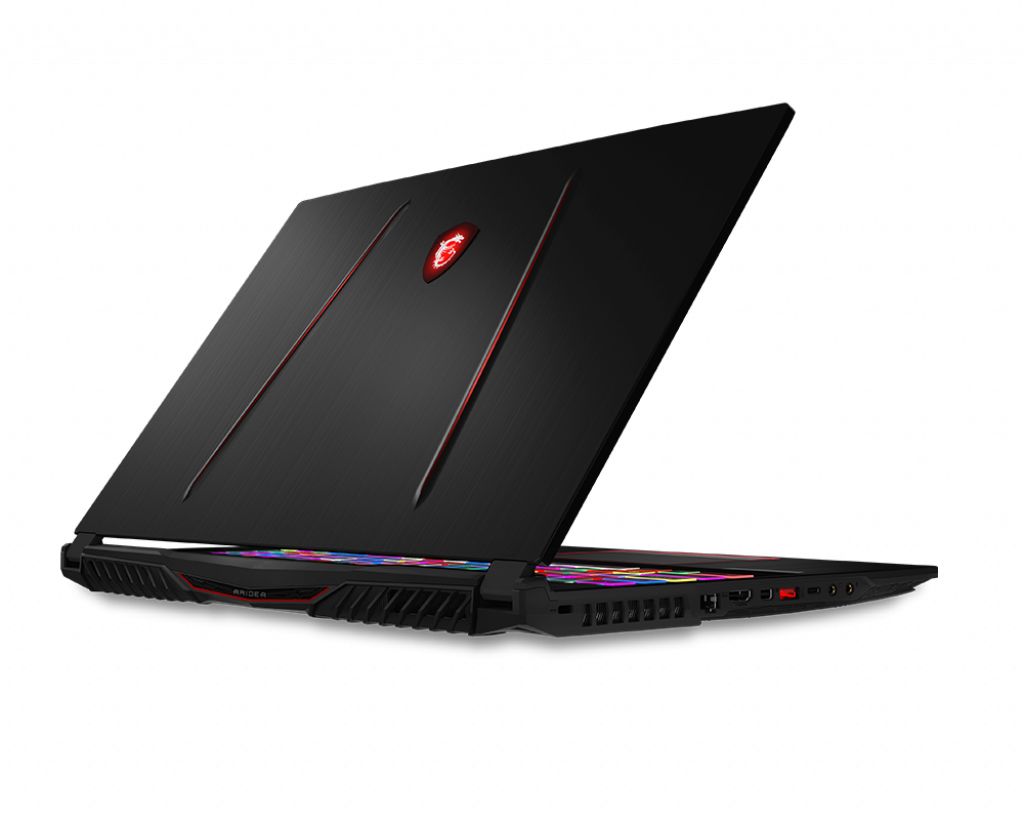
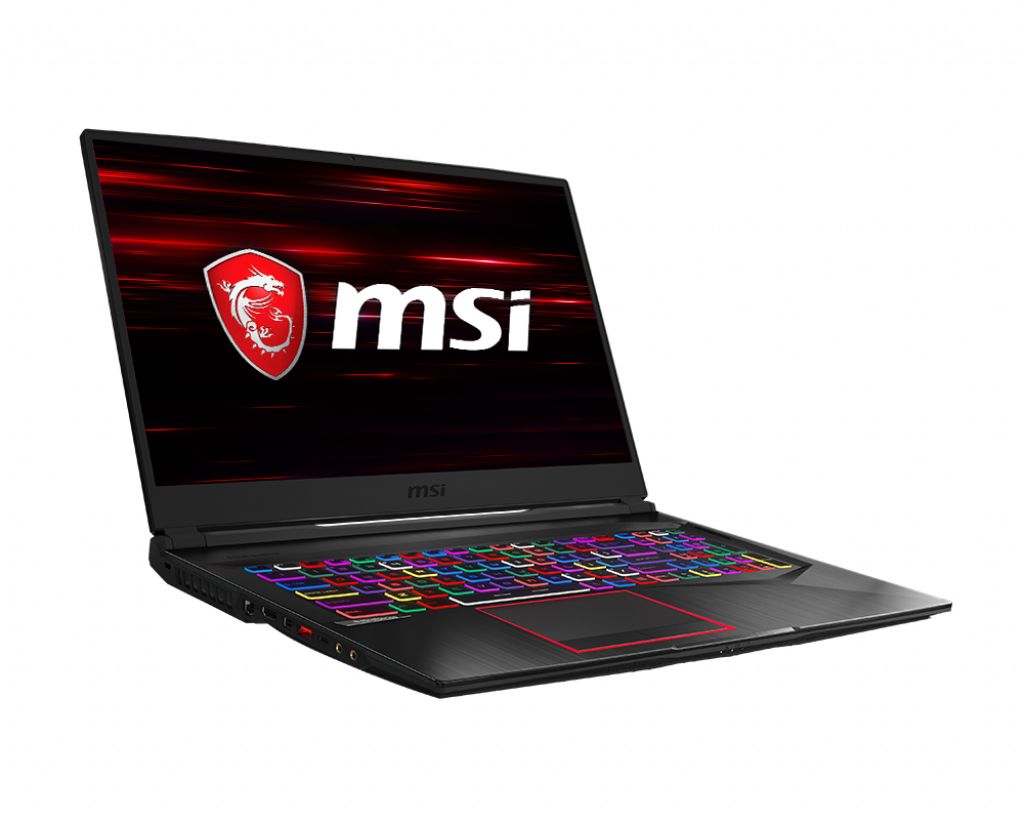
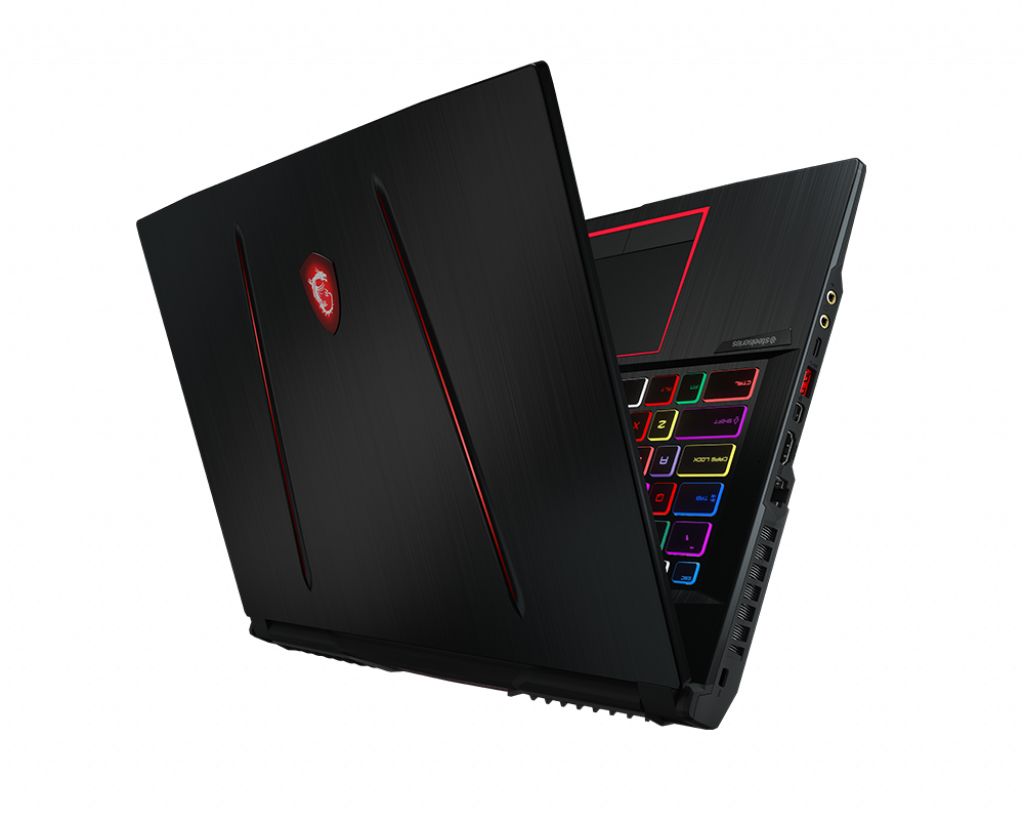
The MSI GE75 8RF-(Raider)017AU Gaming series laptop supports DDR4-SDRAM memory upgrades through two SO-DIMM slots. The maximum RAM capacity is 32 GB total. Compatible memory modules operate at 2666 MHz frequency. Existing memory can be upgraded by installing additional SO-DIMM form factor modules into the available slots, subject to maximum specifications of the GE75 8RF-(Raider)017AU model.
Memory Upgrade Specifications
| Specification | Value |
|---|---|
| Memory slots | 2x SO-DIMM |
| Form factor | SO-DIMM |
| Memory type | DDR4-SDRAM |
| Frequency | 2666 MHz |
| Maximum RAM | 32 GB |
| Voltage | 1.2V |
| Number of pins | 260-pin |
| Interface | PC4 |
| PC Speed Rating | PC4-2666 (PC4-21328) |
| Bandwidth | 21.3 GB/s |
| Laptop Release date | 11 December 2018 |
Additional Notes
- The 32 GB ceiling requires 2x 16 GB modules since only 2 slots exist, eliminating the option to retain existing RAM during incremental upgrades.
- DDR4-2666 operates below DDR4-3200 bandwidth, potentially creating mismatched performance when paired with newer storage interfaces like NVMe Gen3x4 drives.
- SO-DIMM modules with heatspreaders exceeding 31.25 mm height may interfere with chassis clearance in 17-inch gaming chassis designs from this generation.
- Modules rated above 2666 MHz will downclock to match the supported frequency, wasting the cost premium of higher-speed kits.
- Non-ECC unbuffered modules represent the only compatible architecture, as SO-DIMM ECC variants will fail POST initialization.
- Dual-channel population requires matched capacity modules in both slots to avoid reverting to single-channel mode and halving memory bandwidth.
- CAS latency variations between CL15, CL16, and CL19 at 2666 MHz produce measurable differences in 1% low framerates during CPU-bound gaming scenarios.
- Installing a single module leaves half the memory controller idle, reducing theoretical bandwidth from 42.6 GB/s to 21.3 GB/s.
- DDR4 voltage tolerance of 1.2V ±0.06V means XMP profiles exceeding 1.35V cannot activate without BIOS support that consumer mobile platforms typically lack.
- The 8th generation Intel platform uses a memory controller that supports standard JEDEC timings, making certified compatibility lists less critical than on Ryzen systems.