MSI Gaming GE75 8RF-011ES Raider RAM upgrade specifications
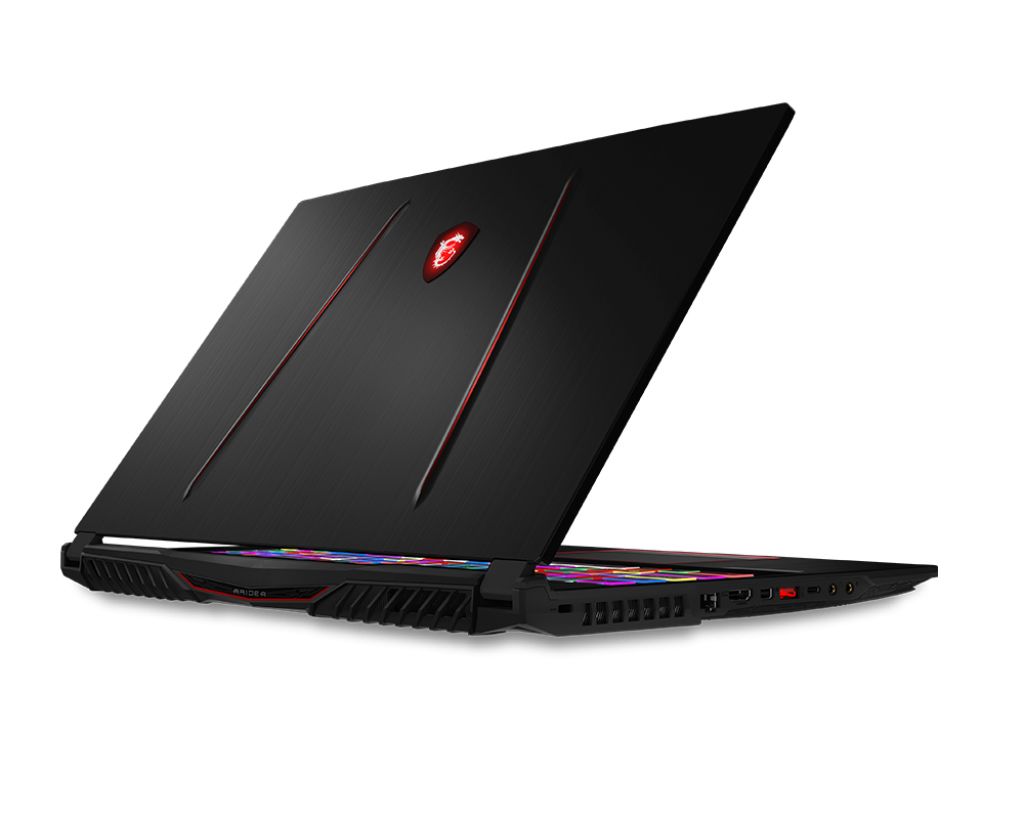
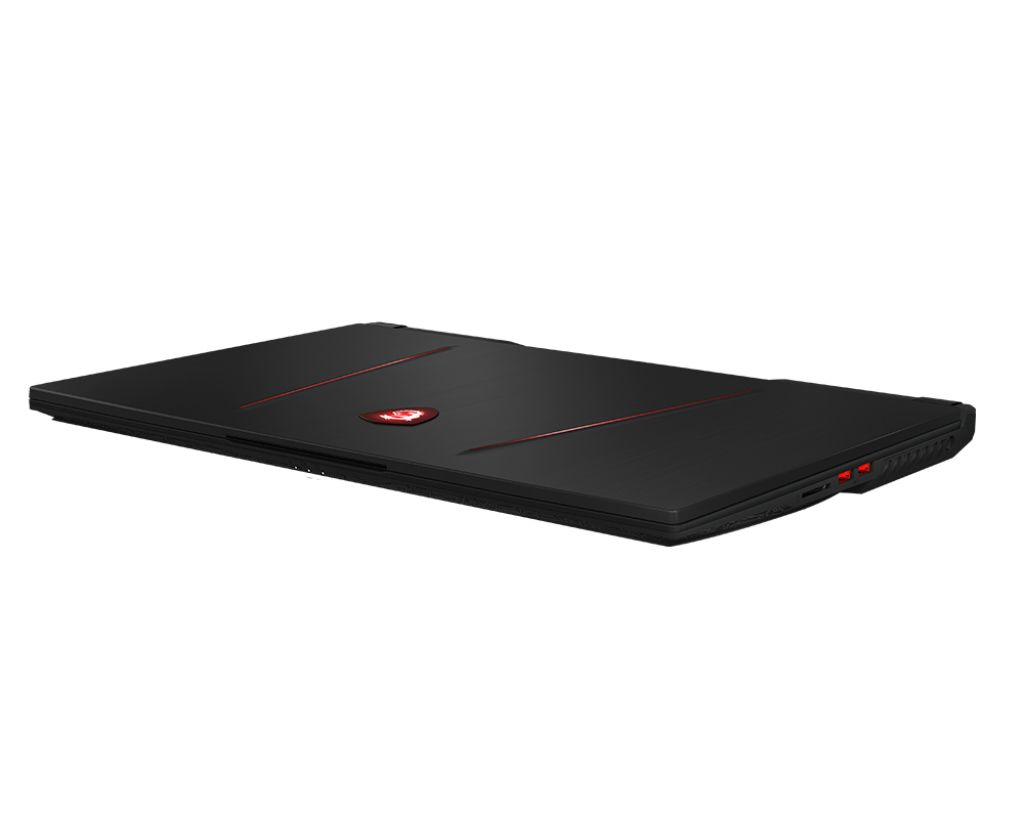

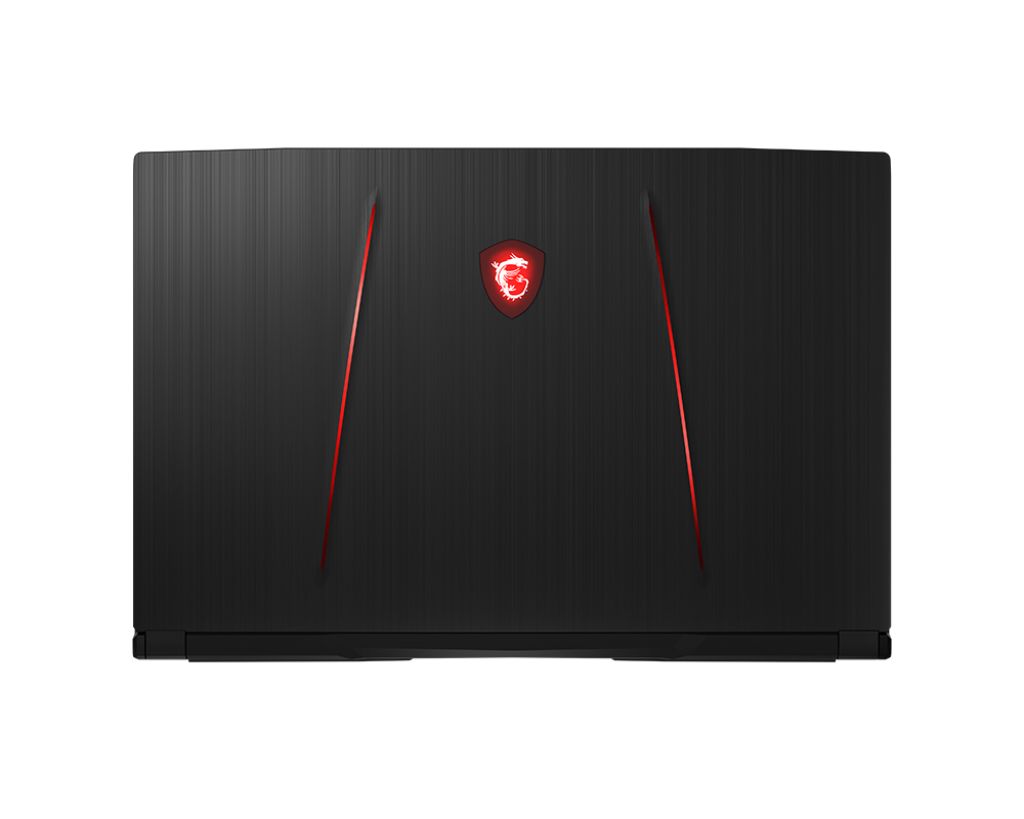
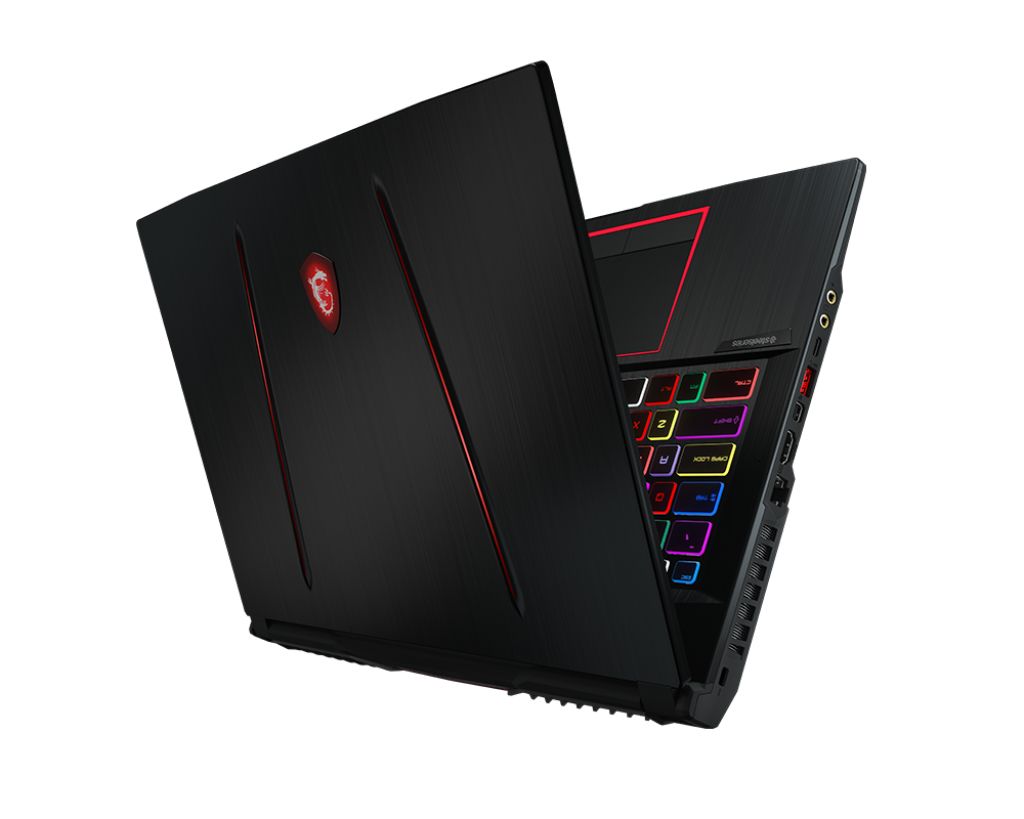
The MSI GE75 8RF-011ES Raider Gaming series laptop features DDR4-SDRAM memory upgrade specifications with two SO-DIMM slots supporting maximum capacity of 32 GB total RAM. Compatible memory modules operate at 2666 MHz frequency. The upgrade slots accommodate standard SO-DIMM form factor memory modules, enabling users to expand system memory up to the maximum supported specifications. This laptop memory upgrade configuration provides scalability for enhanced performance in the Gaming GE series family.
Memory Upgrade Specifications
| Specification | Value |
|---|---|
| Memory slots | 2x SO-DIMM |
| Form factor | SO-DIMM |
| Memory type | DDR4-SDRAM |
| Frequency | 2666 MHz |
| Maximum RAM | 32 GB |
| Voltage | 1.2V |
| Number of pins | 260-pin |
| Interface | PC4 |
| PC Speed Rating | PC4-2666 (PC4-21328) |
| Bandwidth | 21.3 GB/s |
| Laptop Release date | 12 November 2018 |
Additional Notes
- Dual SO-DIMM architecture allows symmetric dual-channel configuration, enabling full memory bandwidth utilization when both slots are populated with identical modules.
- 32 GB ceiling represents a practical limit for this generation's chipset and BIOS; modules exceeding this total cannot be recognized or utilized regardless of individual module capacity.
- 2666 MHz specification indicates compatibility with DDR4 modules rated at this speed or lower; faster modules will downclock to 2666 MHz unless manual BIOS overclocking is applied.
- SO-DIMM form factor constrains upgrade options to laptop-specific modules; standard desktop DDR4-SDRAM cannot be physically installed due to connector and length differences.
- Asymmetric population (single module upgrade) results in reduced bandwidth utilization compared to matched pair configurations, potentially constraining memory-intensive gaming or rendering workloads.
- BIOS validation requirements may restrict compatibility to MSI-approved module manufacturers and revision levels; third-party modules not listed on the support matrix may fail POST or exhibit stability issues.
- Thermal constraints on SO-DIMM modules are more restrictive than desktop counterparts; modules with tall heatspreaders may interfere with internal clearance near the CPU or cooling solution.