MSI Gaming GE75 8RE-068XFR Raider RAM upgrade specifications
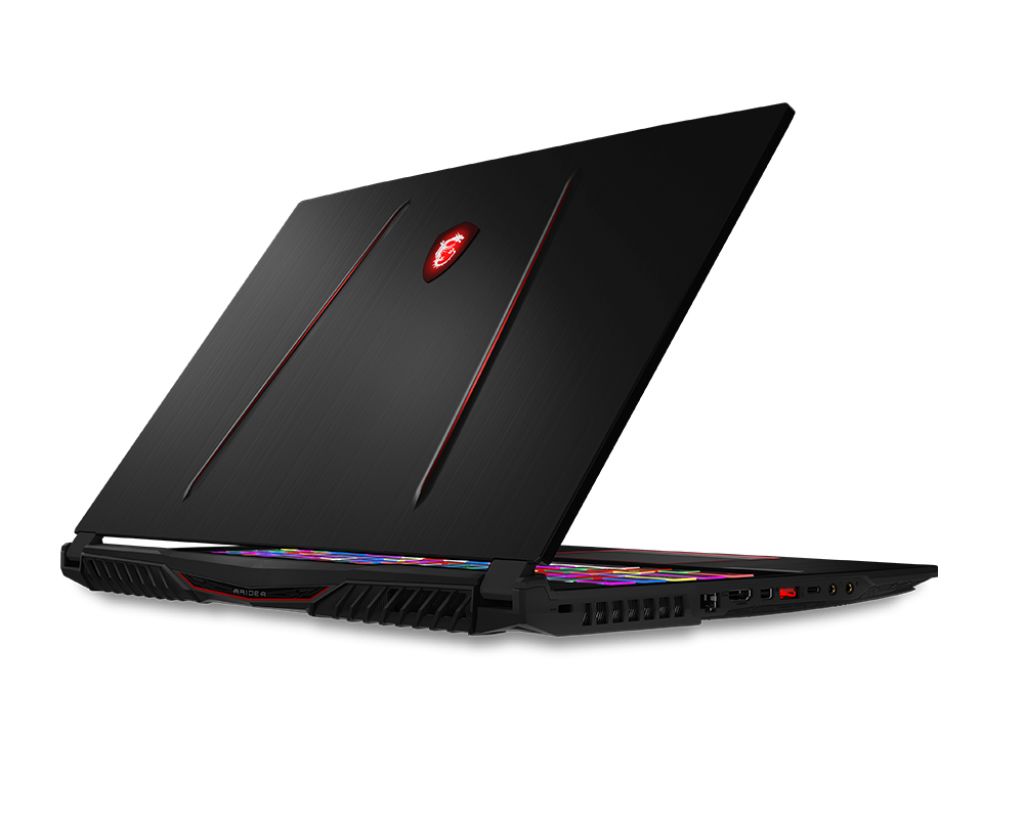
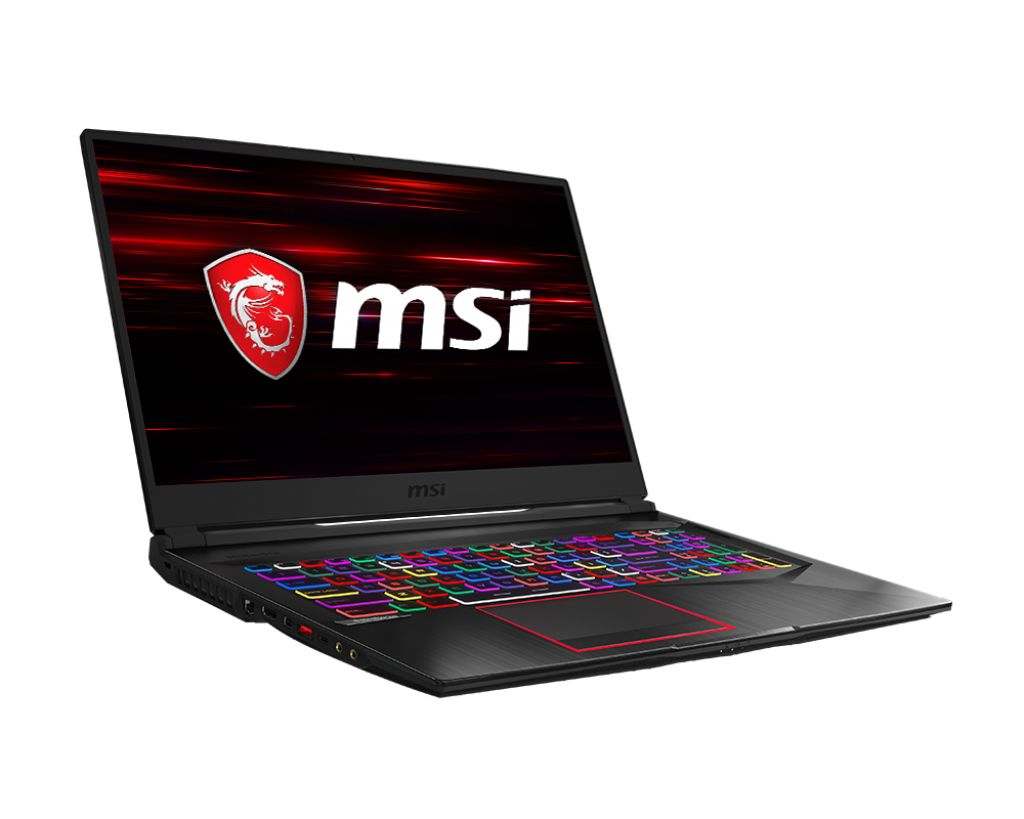
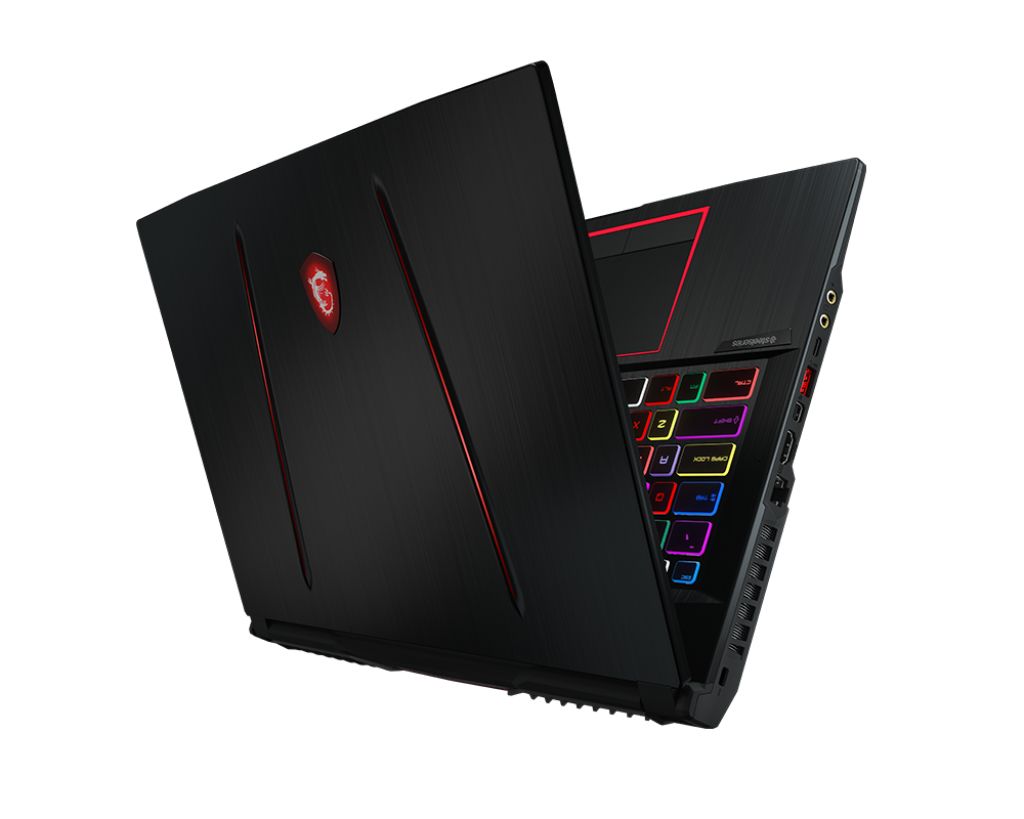
The MSI GE75 8RE-068XFR Raider gaming laptop features DDR4-SDRAM memory configuration with two SO-DIMM slots supporting maximum capacity of 32 GB RAM. Memory upgrade specifications indicate compatible DDR4 modules operating at 2666 MHz frequency. The Raider series Gaming family laptop supports SO-DIMM form factor memory modules for expansion. Maximum RAM upgrade capacity reaches 32 GB total, distributed across two available slots. These specifications define the memory upgrade parameters for the GE75 8RE-068XFR Raider model.
Memory Upgrade Specifications
| Specification | Value |
|---|---|
| Memory slots | 2x SO-DIMM |
| Form factor | SO-DIMM |
| Memory type | DDR4-SDRAM |
| Frequency | 2666 MHz |
| Maximum RAM | 32 GB |
| Voltage | 1.2V |
| Number of pins | 260-pin |
| Interface | PC4 |
| PC Speed Rating | PC4-2666 (PC4-21328) |
| Bandwidth | 21.3 GB/s |
| Laptop Release date | 16 May 2019 |
Additional Notes
- The dual-slot configuration permits dual-channel memory architecture which doubles the available bandwidth for the processor compared to single-stick configurations.
- Installing a single 32 GB module will result in a capacity cap without the possibility of further expansion due to the motherboard chipset limitations.
- Internal access for memory replacement on the MSI GE75 8RE-068XFR Raider requires the removal of the entire bottom chassis panel which may involve piercing a factory seal sticker in certain regions.
- Higher frequency modules will automatically downclock to 2666 MHz because the memory controller lacks BIOS support for XMP profiles higher than the rated speed.
- Legacy DDR3 or newer DDR5 modules are physically incompatible with the notches and electrical signaling of the SO-DIMM slots provided.
- System stability depends on utilizing matching latency timings across both slots to prevent memory training failures during the boot sequence.
- The 32 GB maximum threshold indicates that the system architecture cannot address high-density 32 GB individual modules in both slots simultaneously.