MSI Gaming GE75 8SE-209RU Raider RAM upgrade specifications


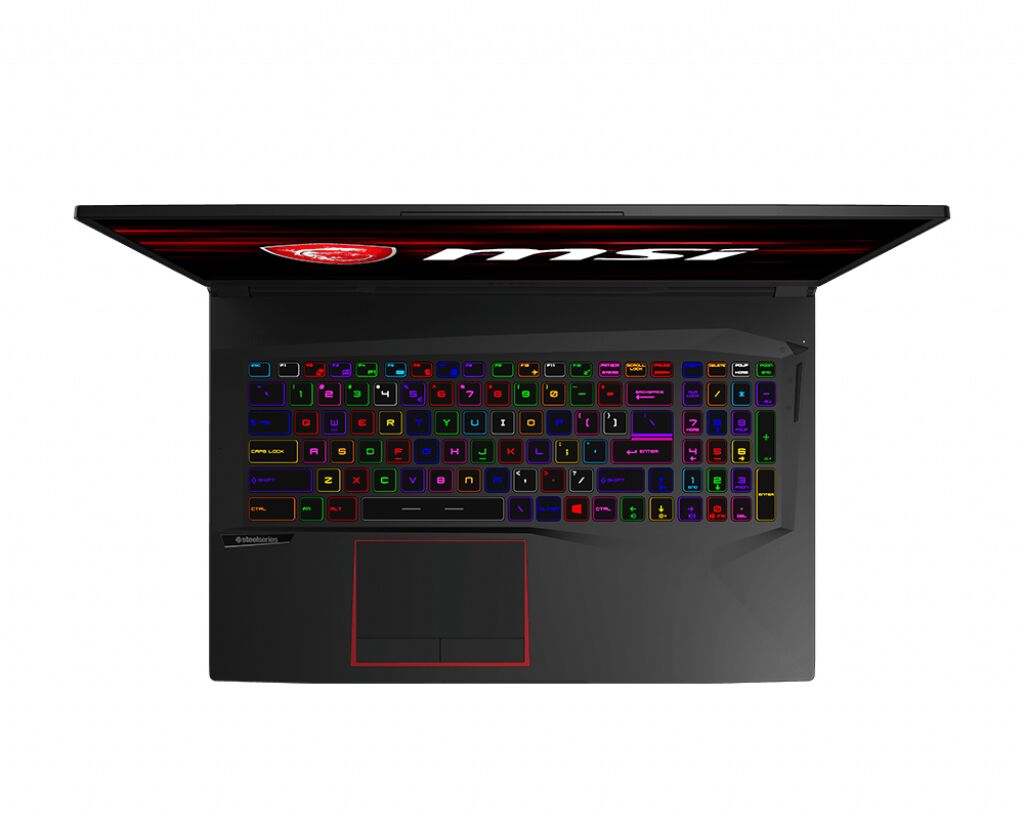
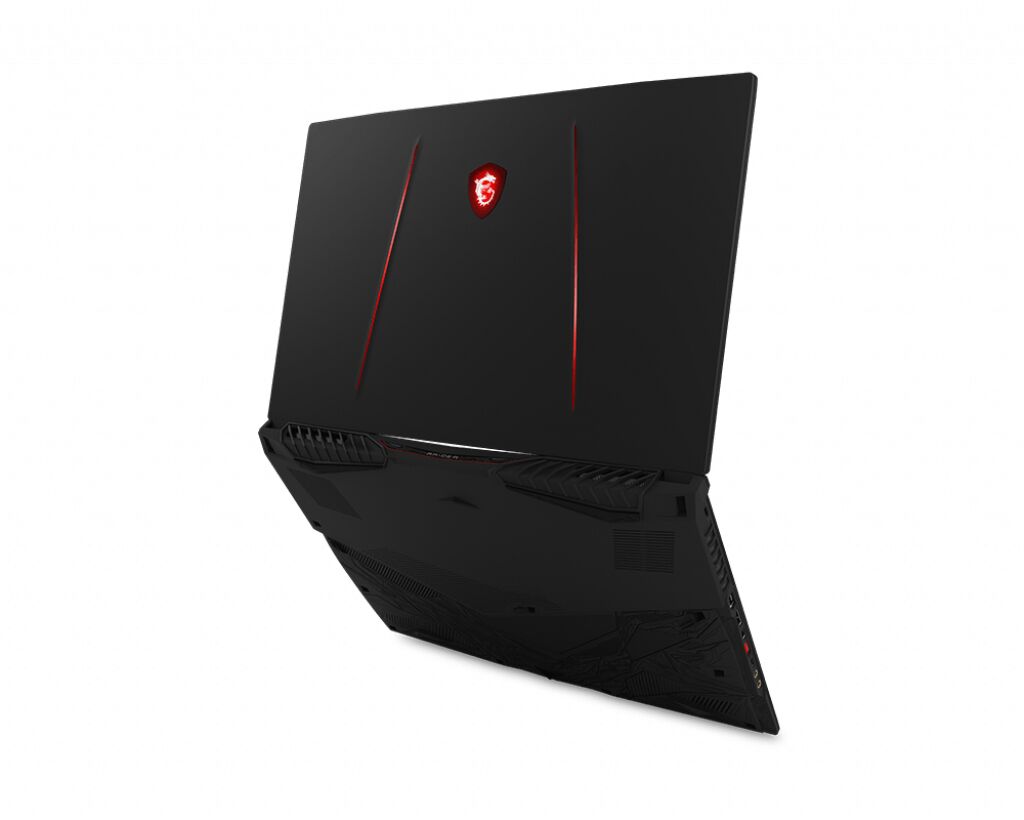
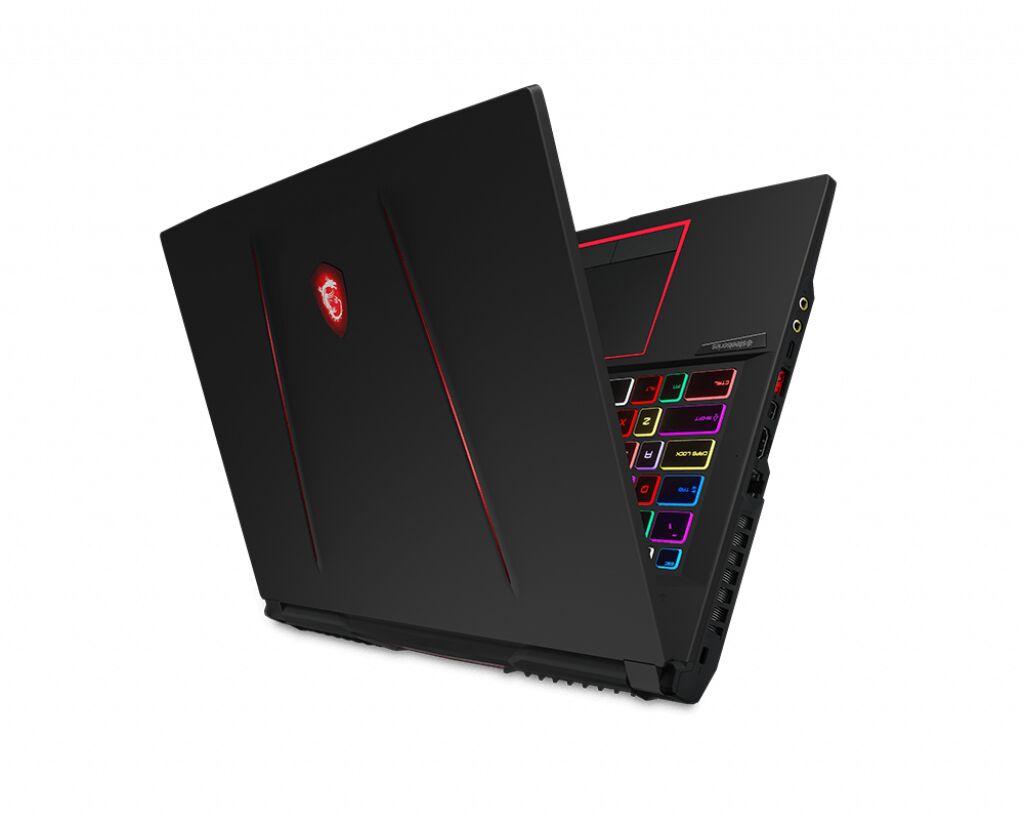
MSI GE75 8SE-209RU Raider memory upgrade specifications include two SO-DIMM slots supporting DDR4-SDRAM memory modules. Maximum RAM capacity reaches 32 GB total. Compatible memory operates at 2666 MHz frequency. The Gaming series laptop supports standard SO-DIMM form factor upgrades. Users requiring additional memory can install matching pairs into available slots to enhance system performance. Specifications define upgrade parameters for the GE75 family configuration.
Memory Upgrade Specifications
| Specification | Value |
|---|---|
| Memory slots | 2x SO-DIMM |
| Form factor | SO-DIMM |
| Memory type | DDR4-SDRAM |
| Frequency | 2666 MHz |
| Maximum RAM | 32 GB |
| Voltage | 1.2V |
| Number of pins | 260-pin |
| Interface | PC4 |
| PC Speed Rating | PC4-2666 (PC4-21328) |
| Bandwidth | 21.3 GB/s |
| Laptop Release date | 10 April 2019 |
Additional Notes
- The MSI GE75 8SE-209RU Raider contains 2 SO-DIMM slots operating at 2666 MHz, establishing a memory bandwidth ceiling of approximately 21.3 GB/s per channel. Expansion beyond this frequency requires BIOS validation, as the 8th-generation chipset may not guarantee stability at higher DDR4 speeds without manual voltage adjustments.
- Upgrading to the 32 GB maximum requires either 2x16 GB modules or replacement of existing memory, as both SO-DIMM slots must be populated for dual-channel operation. Mixing module capacities (e.g., 8 GB + 16 GB) remains possible but reduces performance symmetry across memory channels.
- SO-DIMM modules demand removal of the bottom access panel for installation. This procedural step typically voids coverage if performed by end-users; warranty-safe expansion requires verification of manufacturer guidelines regarding self-service memory replacement on this chassis generation.
- The 2666 MHz specification indicates the system was released during the era of DDR4-2400 to DDR4-2666 commodity pricing. Purchasing DDR4-2933 or DDR4-3000 modules introduces compatibility risk without guaranteed performance uplift, as the memory controller may default to JEDEC timing (2400 MHz or 2666 MHz) rather than XMP profiles.
- Gaming workloads on this platform benefit minimally from memory speed increases beyond 2666 MHz at 1080p resolution, but professional rendering or content creation tasks may show measurable latency reduction through the CPU's L3 cache utilization if memory bandwidth constraints are present.