MSI Gaming GE75 8SE-221FR Raider RAM upgrade specifications
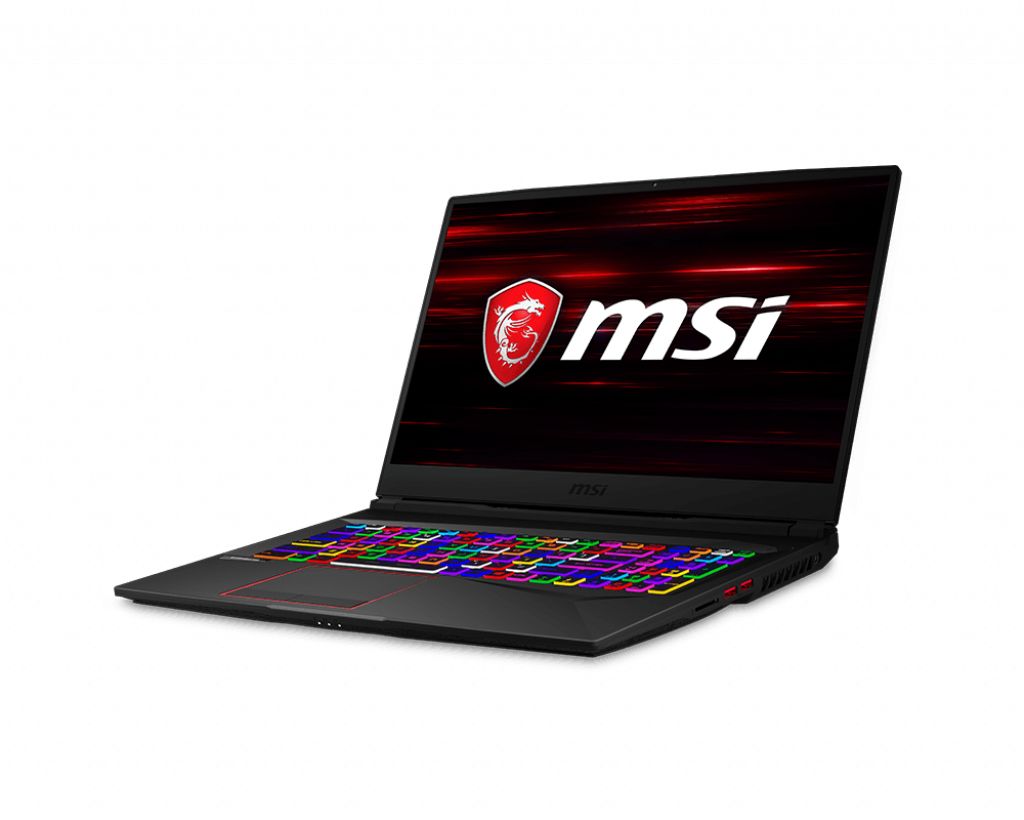
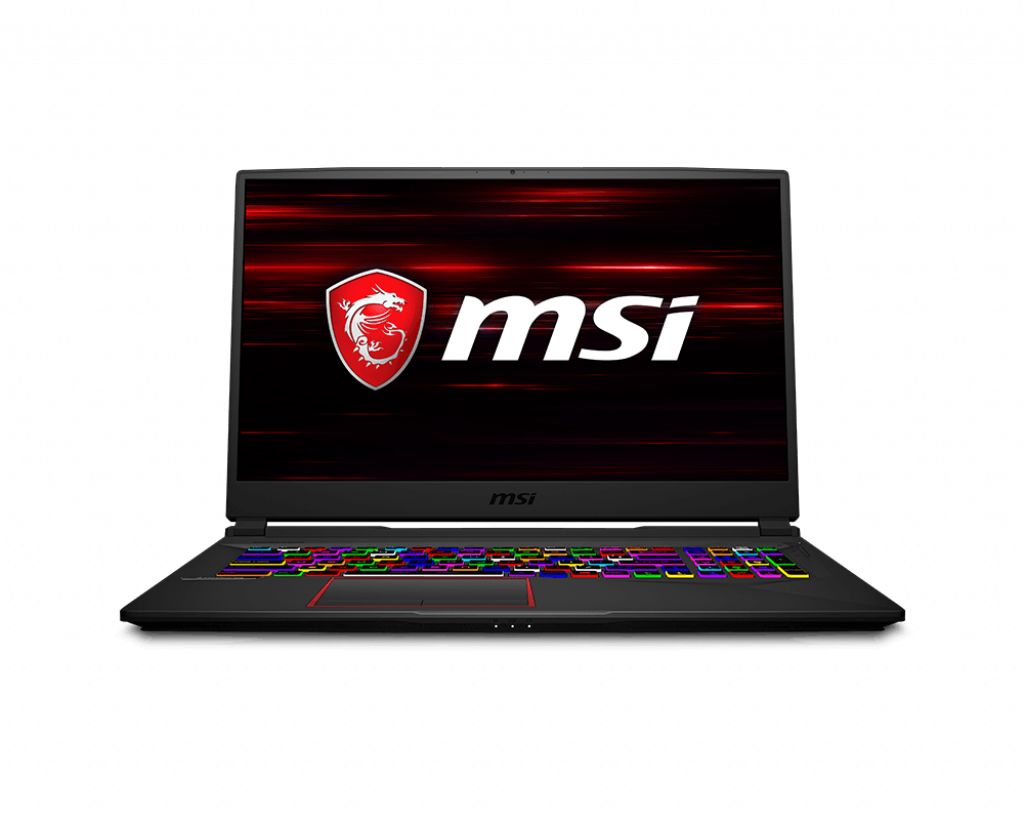
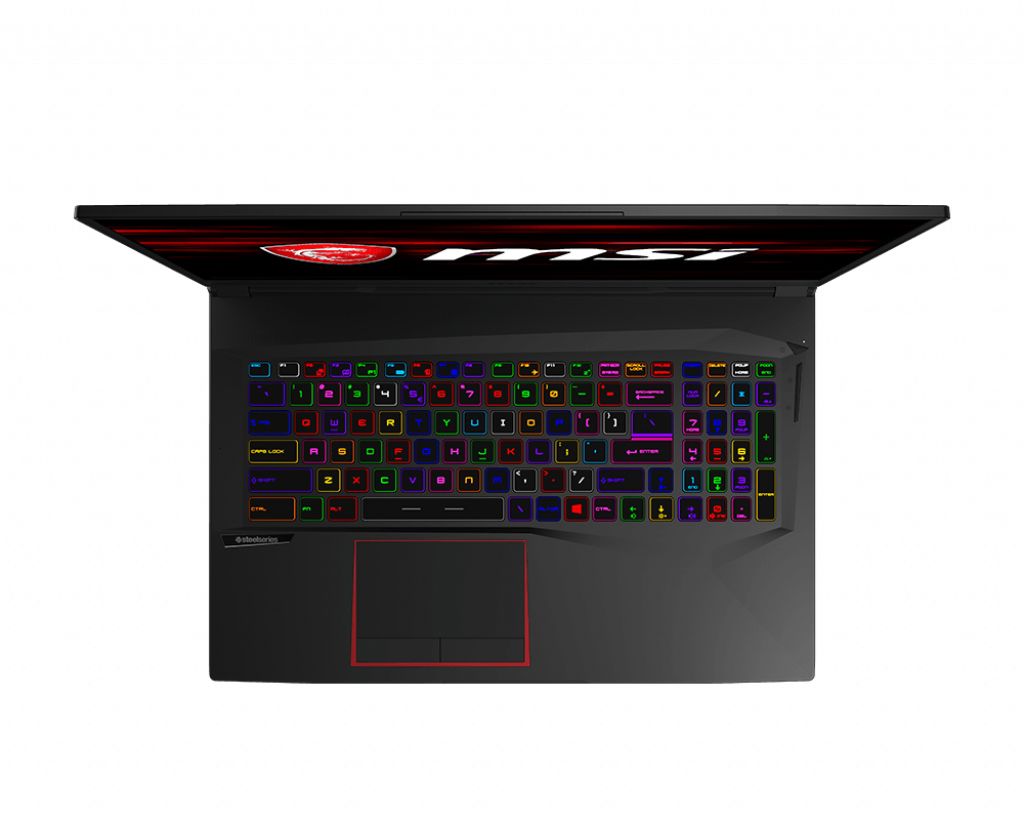
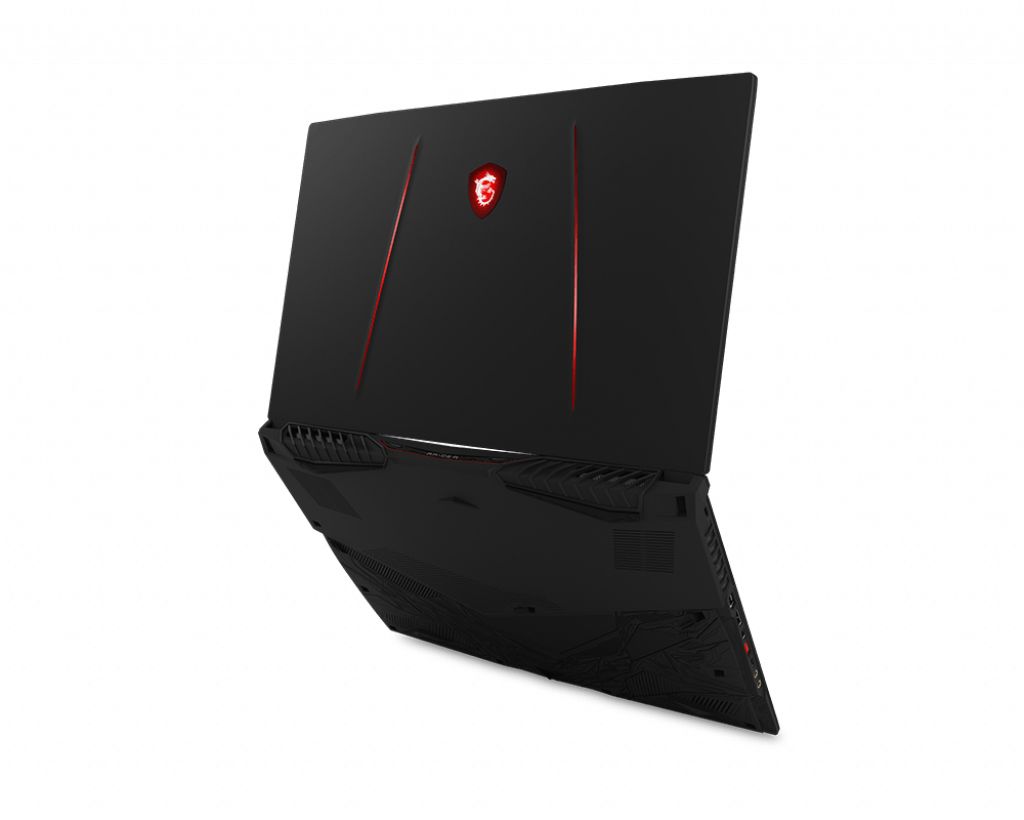
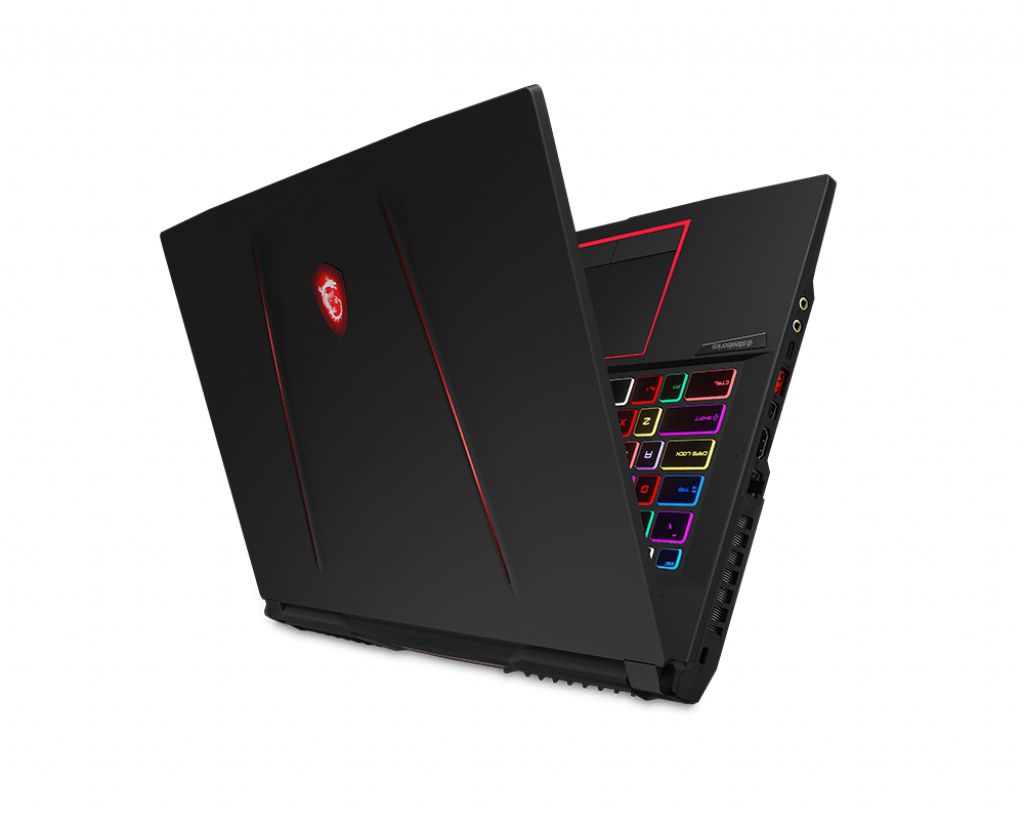
MSI GE75 8SE-221FR Raider gaming laptop RAM upgrade specifications include DDR4-SDRAM memory compatible with 2x SO-DIMM slots. Maximum memory capacity reaches 32 GB total, with supported frequency of 2666 MHz. Upgrade slots accommodate SO-DIMM form factor modules. Compatible memory modules expand the laptop's RAM beyond standard configurations. MSI GE75 Raider series specifications support DDR4 technology for enhanced performance. Memory upgrade options allow users to install compatible DDR4-SDRAM modules in available SO-DIMM slots, achieving maximum supported capacity within specifications.
Memory Upgrade Specifications
| Specification | Value |
|---|---|
| Memory slots | 2x SO-DIMM |
| Form factor | SO-DIMM |
| Memory type | DDR4-SDRAM |
| Frequency | 2666 MHz |
| Maximum RAM | 32 GB |
| Voltage | 1.2V |
| Number of pins | 260-pin |
| Interface | PC4 |
| PC Speed Rating | PC4-2666 (PC4-21328) |
| Bandwidth | 21.3 GB/s |
| Laptop Release date | 11 March 2019 |
Additional Notes
- The MSI GE75 8SE-221FR Raider contains 2 memory slots operating in dual-channel configuration, which means both slots must be populated to achieve rated bandwidth performance; a single module will operate at reduced memory throughput.
- SO-DIMM form factor is physically smaller than standard DIMM modules, requiring laptop-specific memory purchases; desktop DDR4 RAM is physically incompatible and cannot be installed.
- The 2666 MHz specification indicates this system predates widespread DDR4-3200 adoption in gaming laptops; memory modules rated for 3200 MHz or higher will automatically downclock to 2666 MHz, providing no performance benefit while increasing cost.
- Maximum capacity of 32 GB total (16 GB per slot) limits the system to 2x16 GB configuration; additional RAM purchases beyond this threshold will not integrate and will represent wasted expenditure.
- Upgrading from the factory configuration to 32 GB requires replacing existing modules entirely rather than adding capacity, as the slot count is fixed at 2; the original RAM modules will need separate resale or repurposing.
- DDR4-SDRAM at this frequency lacks compatibility with newer DDR5-capable platforms, creating a technology dead-end for the memory modules themselves if the system is eventually replaced.
- Warranty coverage typically permits RAM upgrades when modules meet manufacturer specifications; purchasing DDR4-2666 modules from qualified vendors preserves coverage status.