MSI Gaming GE75 8SE-265XRU Raider RAM upgrade specifications
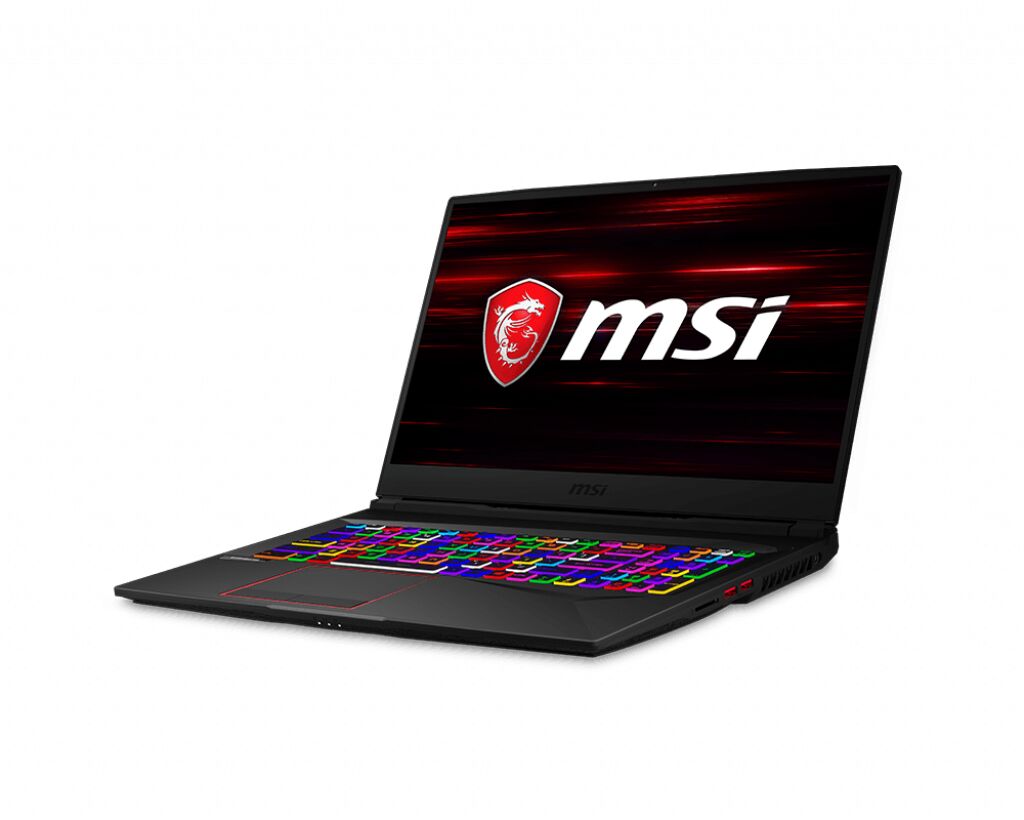
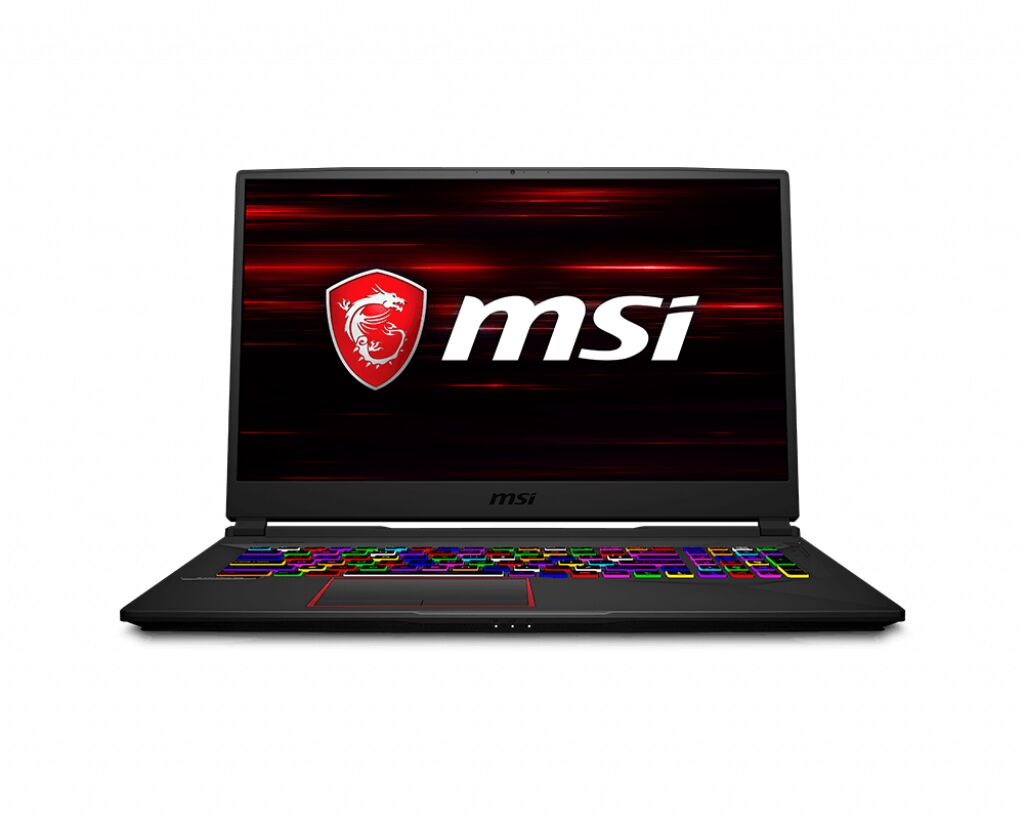
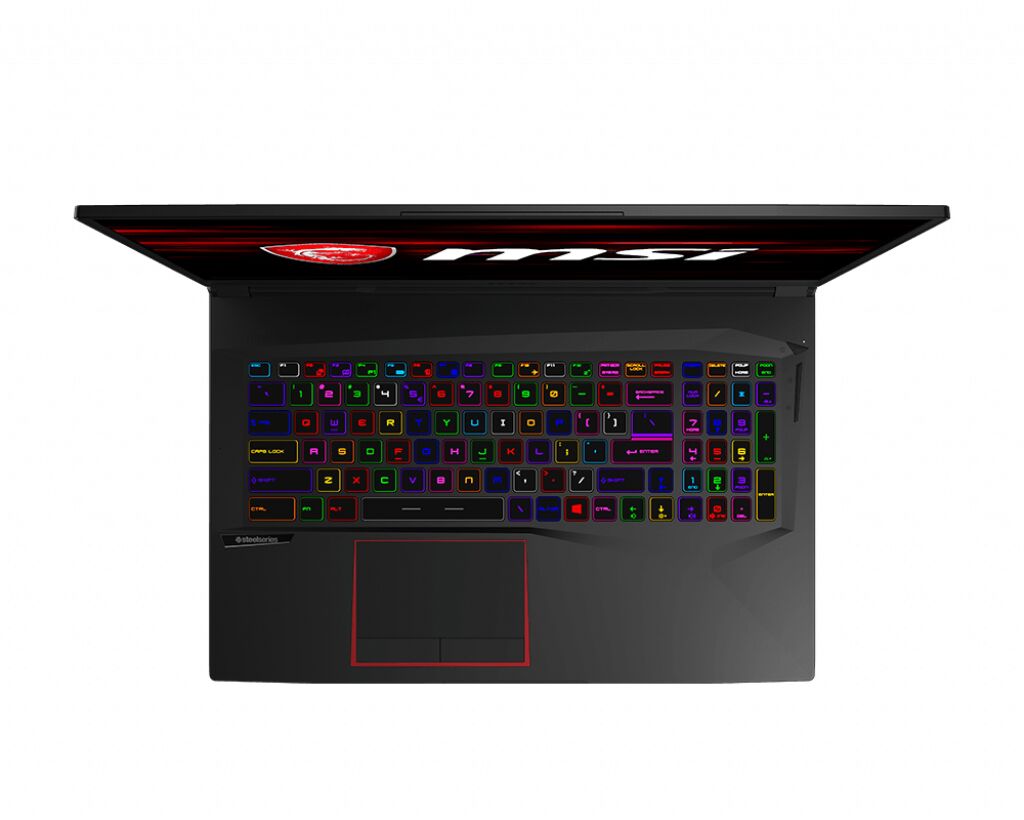
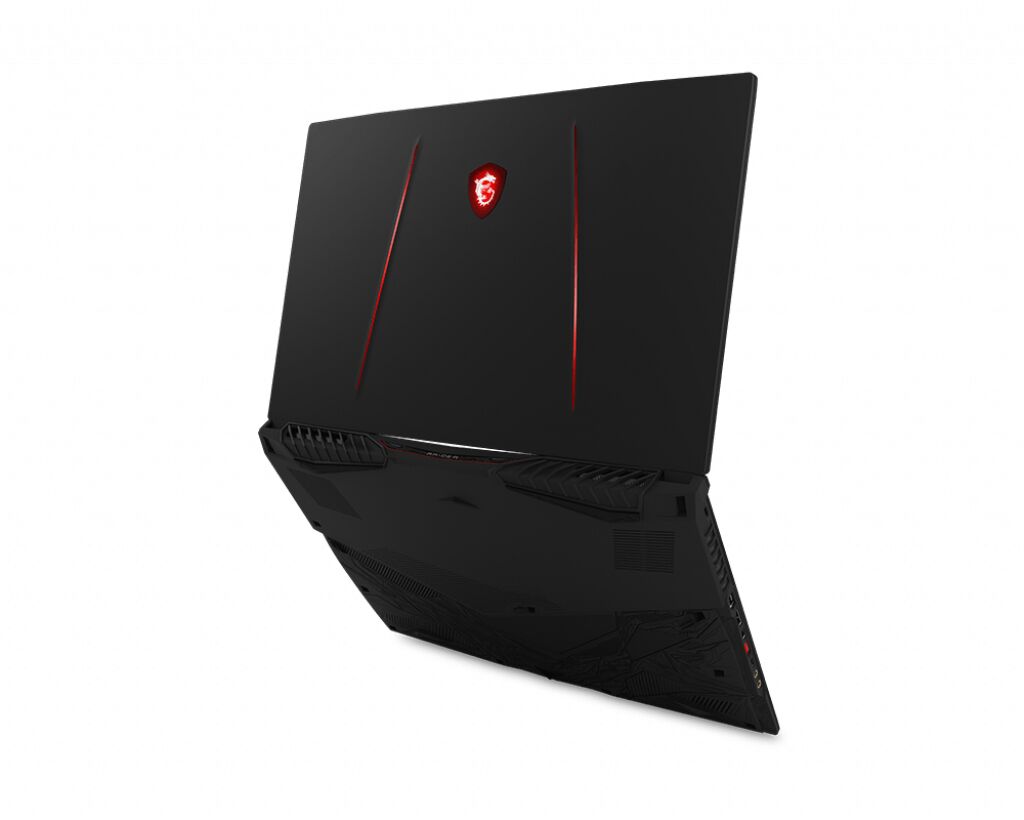
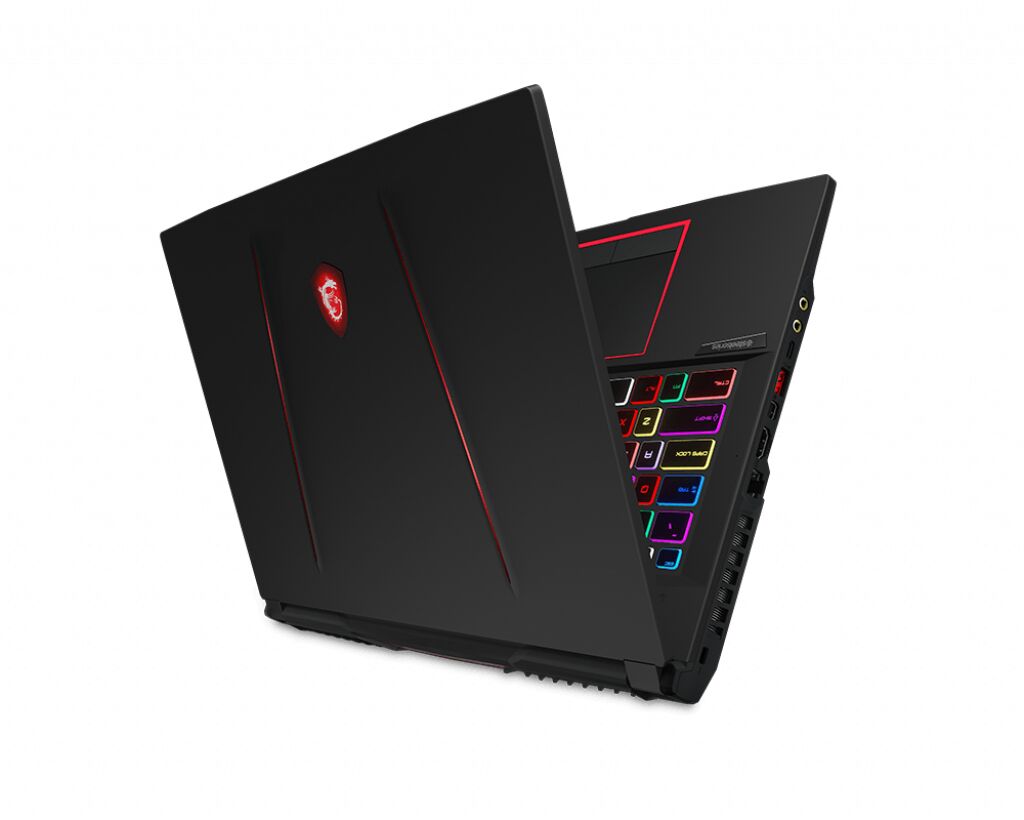
The MSI GE75 8SE-265XRU Raider Gaming series laptop features DDR4-SDRAM memory with two SO-DIMM slots for RAM upgrade capabilities. The Gaming GE family model supports a maximum memory capacity of 32 GB total. Compatible memory modules operate at 2666 MHz frequency specifications. The upgrade configuration allows installation of dual SO-DIMM form factor memory modules to achieve maximum RAM specifications for enhanced system performance.
Memory Upgrade Specifications
| Specification | Value |
|---|---|
| Memory slots | 2x SO-DIMM |
| Form factor | SO-DIMM |
| Memory type | DDR4-SDRAM |
| Frequency | 2666 MHz |
| Maximum RAM | 32 GB |
| Voltage | 1.2V |
| Number of pins | 260-pin |
| Interface | PC4 |
| PC Speed Rating | PC4-2666 (PC4-21328) |
| Bandwidth | 21.3 GB/s |
| Laptop Release date | 10 July 2019 |
Additional Notes
- The MSI GE75 8SE-265XRU Raider operates with DDR4 memory at 2666 MHz, which represents the 8th-generation Intel Core platform standard and limits compatibility to DDR4 modules rated for 2666 MHz or higher; attempting to use DDR4-3200 or faster modules will downclock to 2666 MHz, eliminating performance gains from higher-frequency RAM.
- Dual SO-DIMM slots with a 32 GB ceiling mean maximum configuration reaches 16 GB per slot; upgrading requires replacing both existing modules rather than adding a single stick, as asymmetrical population would force dual-channel memory to operate at the capacity and speed of the slower module.
- SO-DIMM form factor constrains upgrades to laptop-specific memory modules; desktop DDR4 UDIMM sticks are physically incompatible and cannot be adapted with mechanical force without permanent damage to the slot and module contacts.
- The 2-slot architecture creates zero expansion headroom; reaching the 32 GB maximum consumes all available memory slots, eliminating future upgrade options without desoldering and replacement of current modules.
- Memory bandwidth saturation occurs at the controller level; the combination of 2 slots and 2666 MHz frequency produces approximately 42.6 GB/s theoretical bandwidth, sufficient for 8th-generation Intel Core processors but insufficient to resolve bandwidth bottlenecks in GPU-intensive gaming workloads where discrete graphics chips compete for system memory access.
- Warranty implications require verification of whether memory replacement qualifies as user-serviceable maintenance; some MSI gaming models classify RAM upgrades as non-serviceable without voiding coverage, necessitating confirmation with MSI support before opening the chassis.