MSI Gaming GE75 8SF Raider RAM upgrade specifications
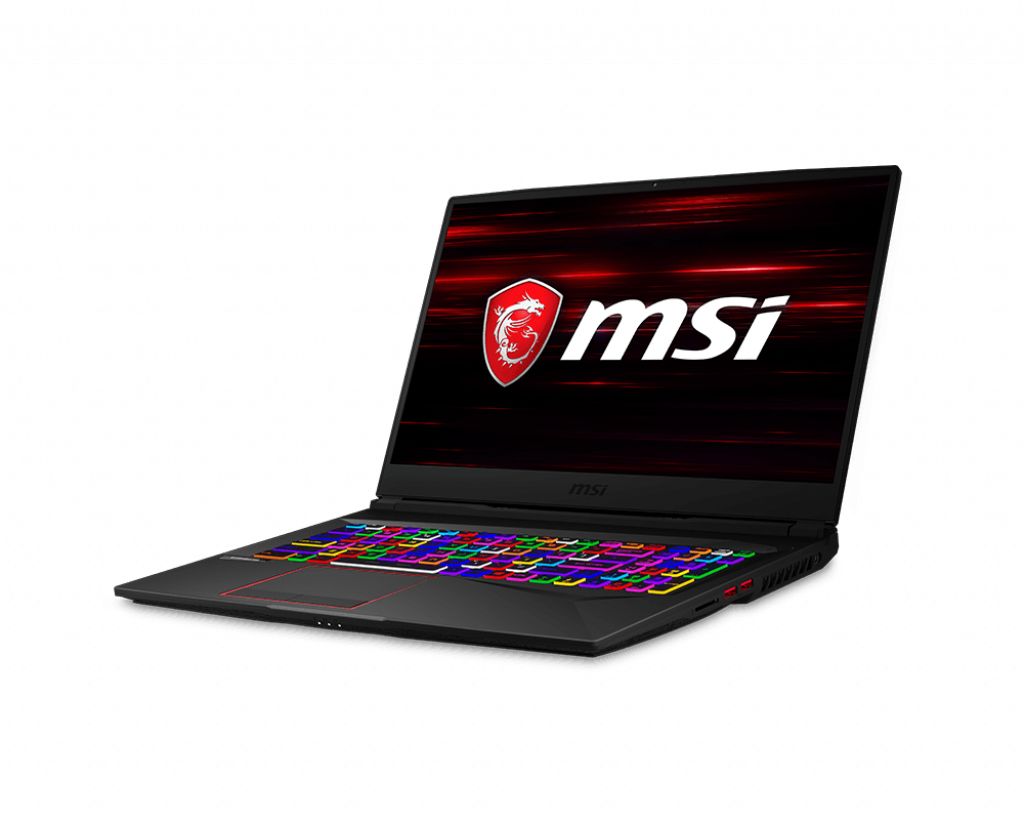
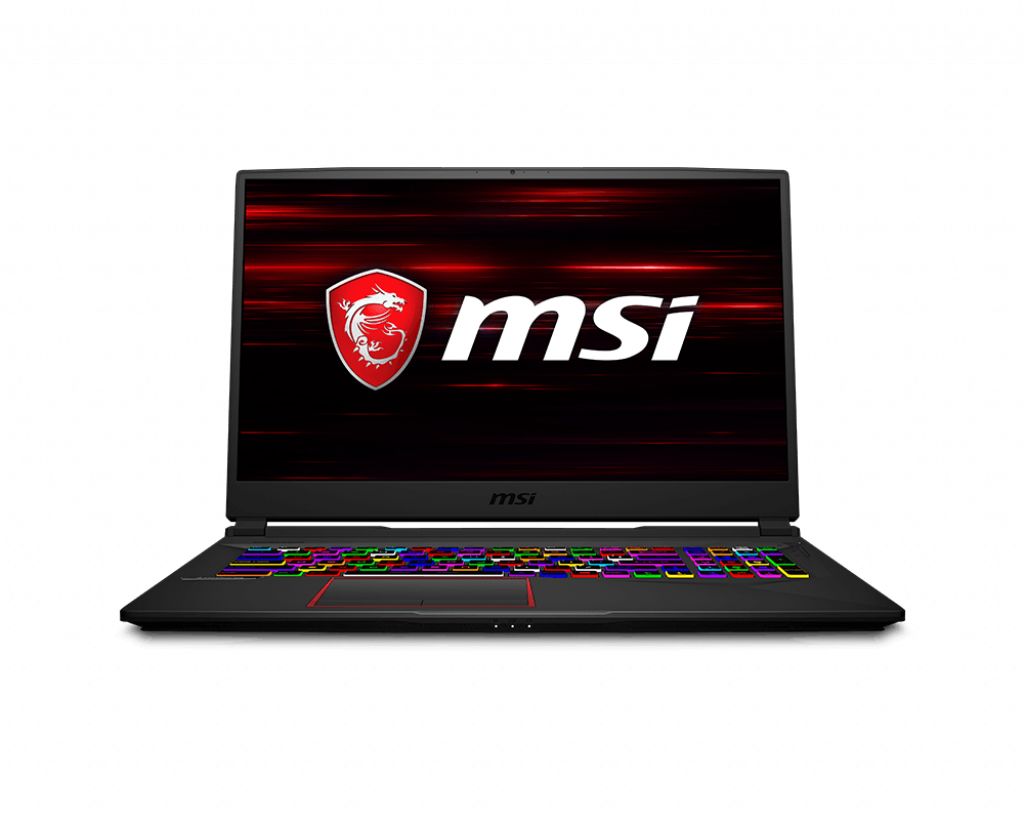
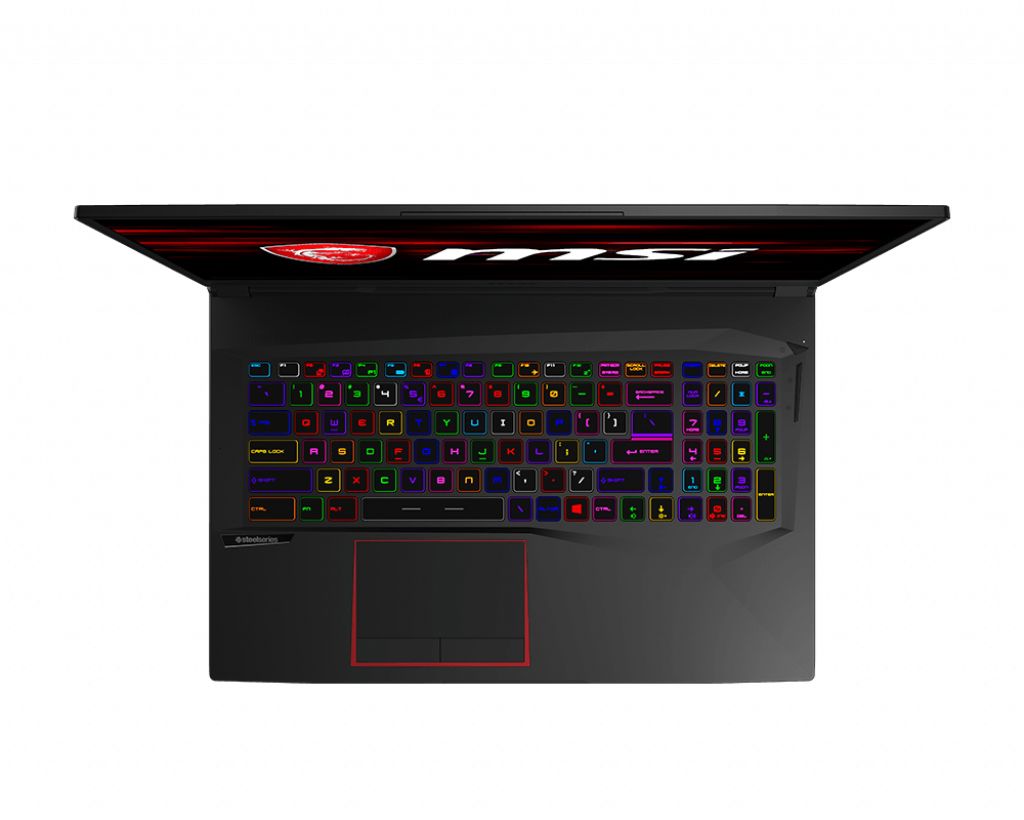
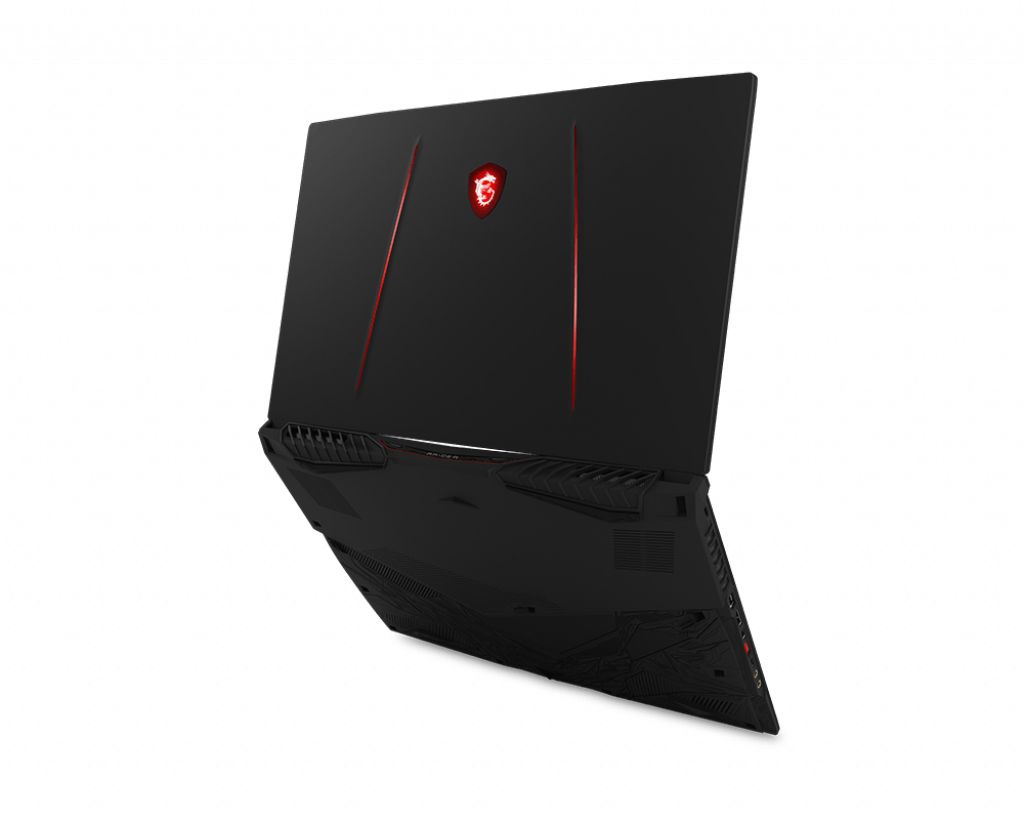
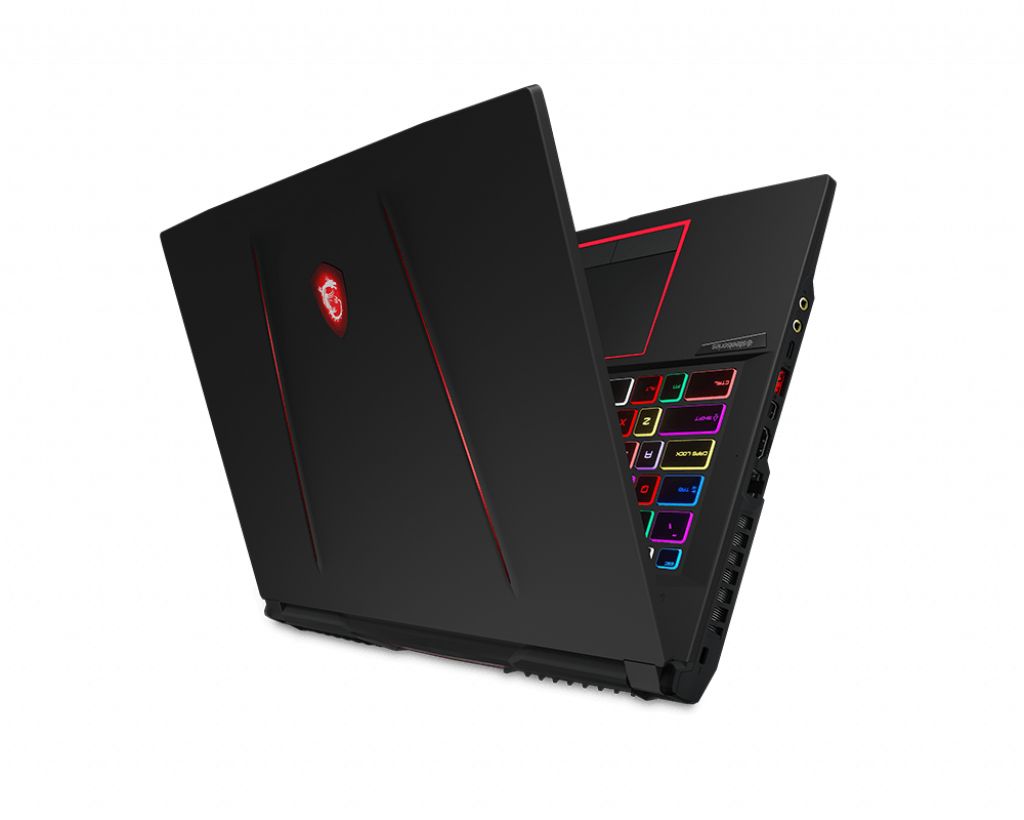
MSI GE75 8SF Raider gaming laptop memory upgrade specifications include DDR4-SDRAM compatibility with 2x SO-DIMM slots. Maximum RAM capacity reaches 32 GB total, supporting DDR4 modules at 2666 MHz frequency. SO-DIMM form factor memory modules are compatible with this GE series model. Upgrade configurations allow installation of compatible DDR4-SDRAM memory to enhance system performance specifications.
Memory Upgrade Specifications
| Specification | Value |
|---|---|
| Memory slots | 2x SO-DIMM |
| Form factor | SO-DIMM |
| Memory type | DDR4-SDRAM |
| Frequency | 2666 MHz |
| Maximum RAM | 32 GB |
| Voltage | 1.2V |
| Number of pins | 260-pin |
| Interface | PC4 |
| PC Speed Rating | PC4-2666 (PC4-21328) |
| Bandwidth | 21.3 GB/s |
| Laptop Release date | 25 May 2019 |
Additional Notes
- The MSI GE75 8SF Raider relies on SO-DIMM modules exclusively, which eliminates compatibility with standard desktop DIMM memory despite identical DDR4 specifications.
- The 32 GB ceiling translates to 16 GB per slot when fully populated, requiring matched density modules to avoid potential dual-channel asymmetry.
- DDR4-2666 represents the official JEDEC-approved speed, though Intel HM370 or equivalent chipsets in this platform may accept higher-rated modules that downclock automatically.
- Dual-channel configuration activates only when both slots contain identical frequency and timing specifications, otherwise reverting to single-channel mode with halved bandwidth.
- SO-DIMM installation requires 260-pin modules specifically, as the 204-pin DDR3 SO-DIMM form factor shares similar physical dimensions but incompatible keying notches.
- Thermal considerations become relevant above 2666 MHz speeds since overclocked modules generate additional heat within the confined laptop chassis compared to JEDEC-standard voltage operation.
- Manufacturer warranty typically remains intact for memory upgrades performed through accessible bottom panels, unlike soldered components that void coverage when tampered with.
- Mixed module configurations pairing different capacities will function but force the system to mirror capacity across channels, effectively wasting excess capacity on the larger module.
- Latency timings at CL19 versus CL17 introduce measurable frame-time variance in GPU-bound gaming scenarios despite identical 2666 MHz frequency ratings.
- The SO-DIMM format imposes physical height restrictions, making low-profile versus standard-profile distinctions irrelevant since all SO-DIMMs share uniform 30mm dimensions.