MSI Gaming GE75 8SE-257DC Raider RAM upgrade specifications
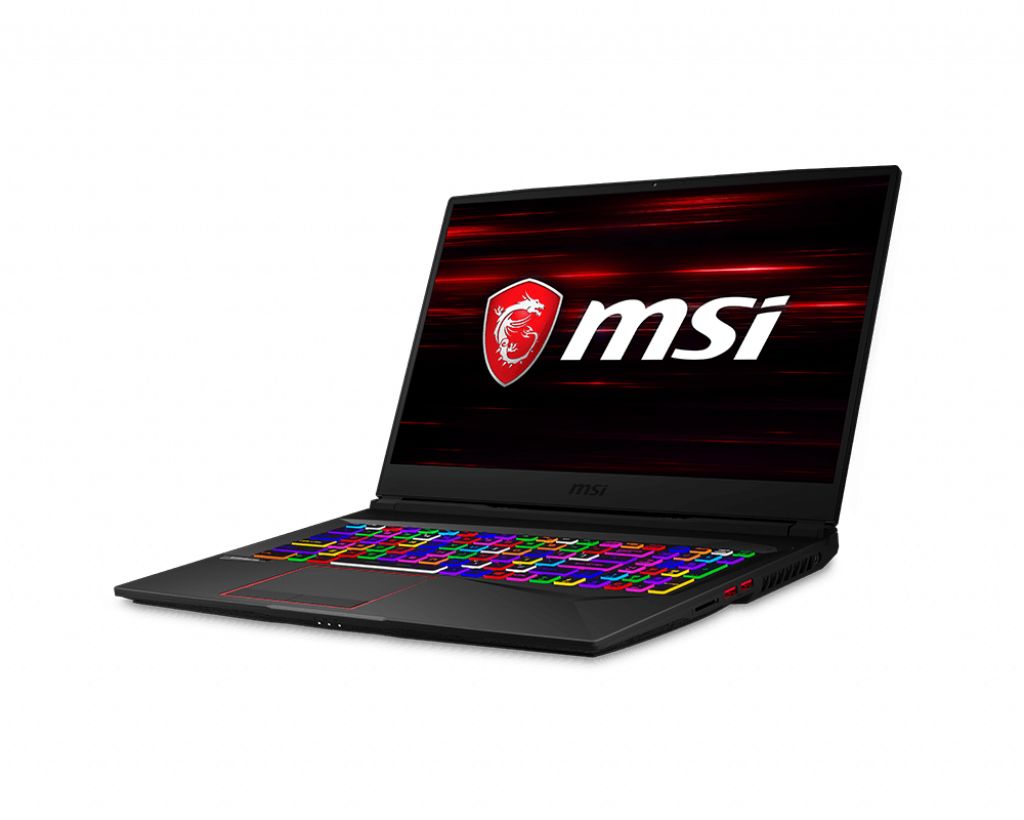
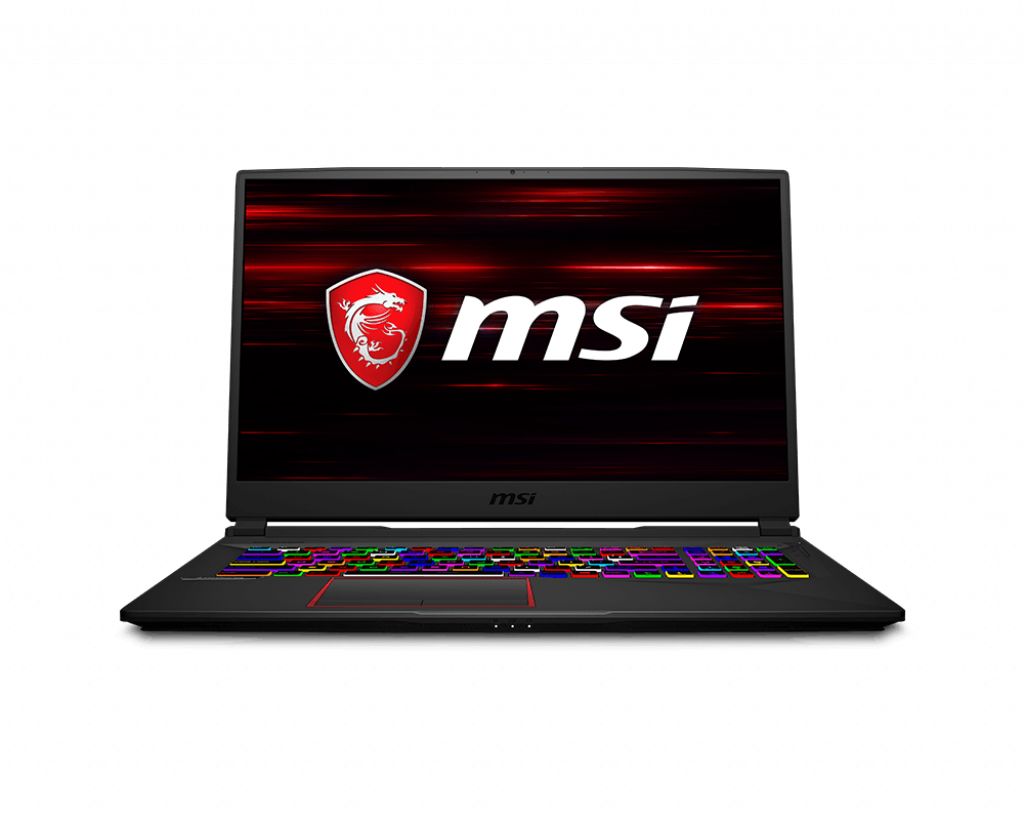
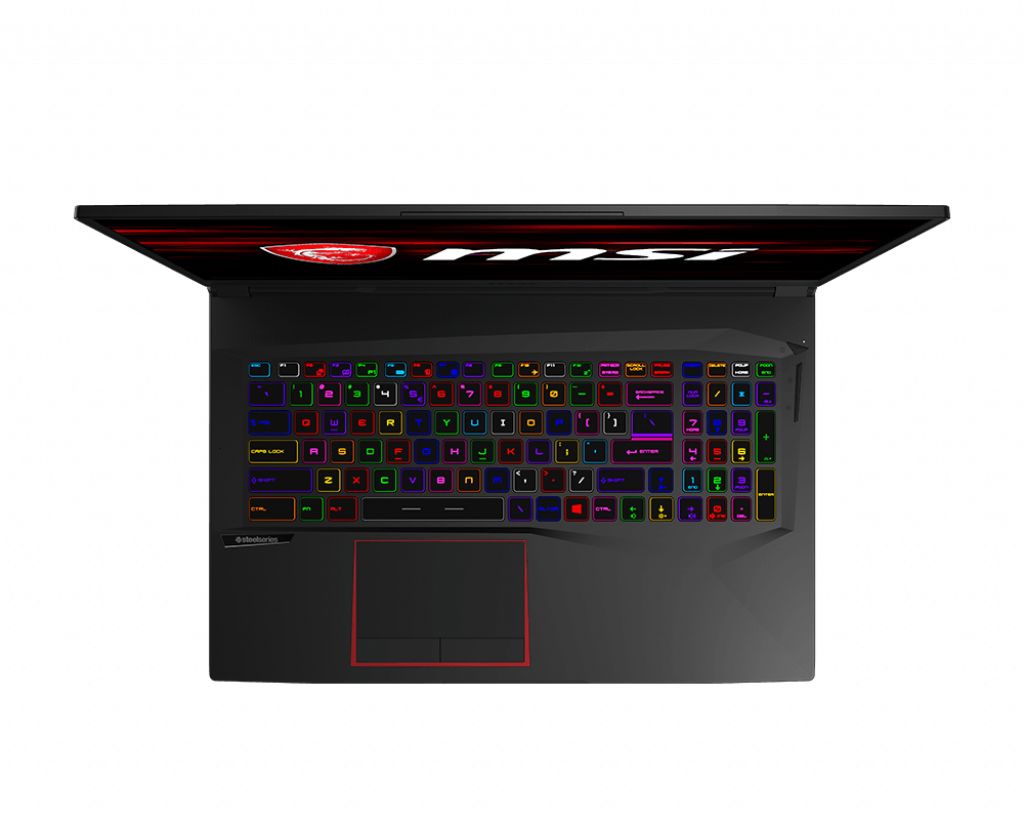
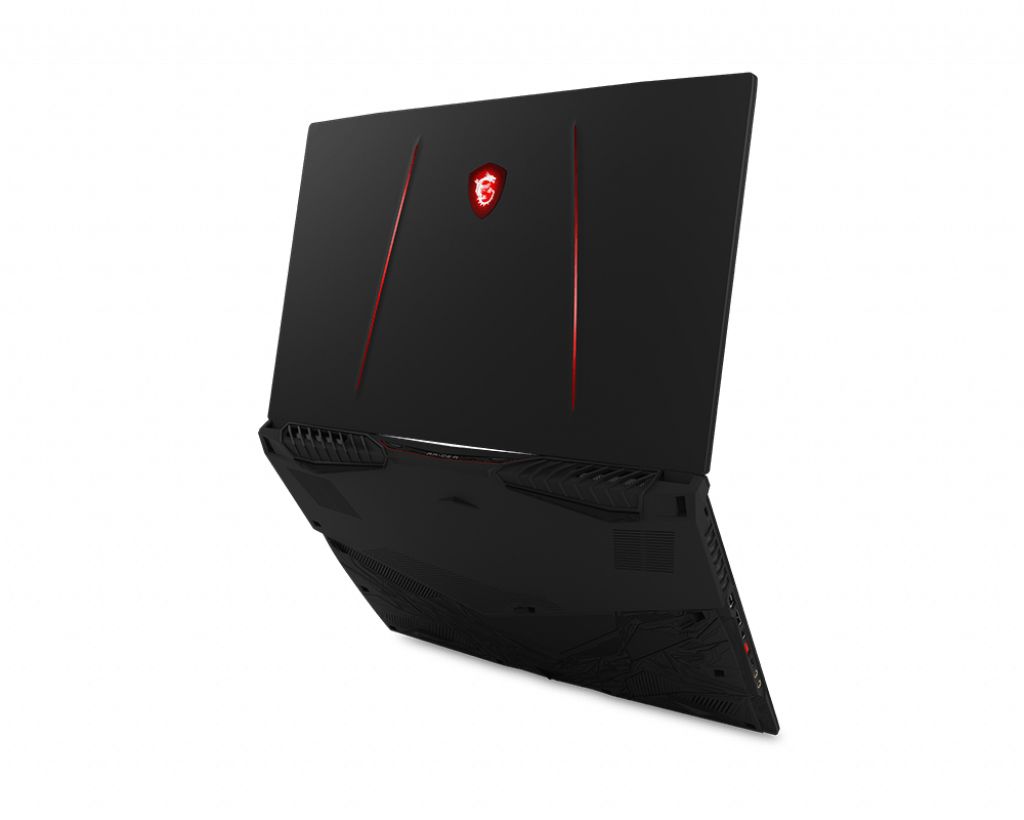
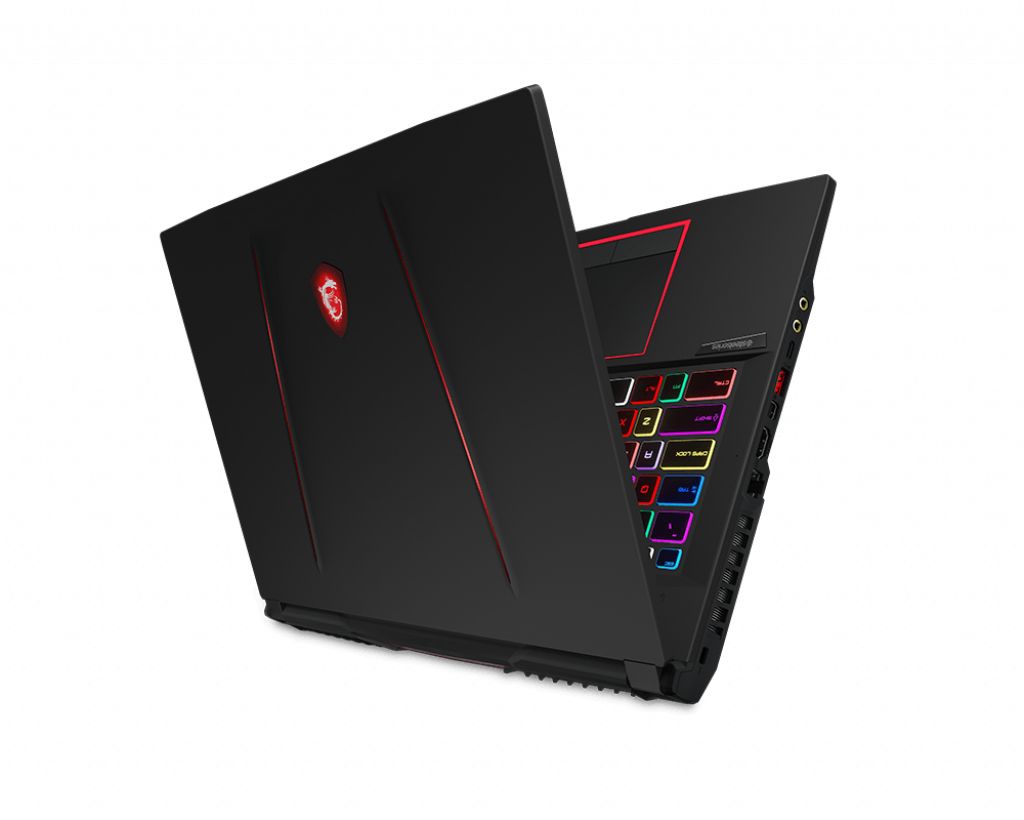
The MSI GE75 8SE-257DC Raider gaming laptop features two SO-DIMM memory slots supporting DDR4-SDRAM modules at 2666 MHz frequency. Maximum RAM capacity reaches 32 GB total. RAM upgrade specifications indicate compatible memory modules must utilize the SO-DIMM form factor. The GE75 8SE-257DC Raider model supports DDR4 memory technology for enhanced system performance. Users seeking RAM upgrades should select DDR4-SDRAM modules compatible with the dual SO-DIMM slots and 2666 MHz operating frequency to ensure proper functionality and maximum capacity within the 32 GB specification limit.
Memory Upgrade Specifications
| Specification | Value |
|---|---|
| Memory slots | 2x SO-DIMM |
| Form factor | SO-DIMM |
| Memory type | DDR4-SDRAM |
| Frequency | 2666 MHz |
| Maximum RAM | 32 GB |
| Voltage | 1.2V |
| Number of pins | 260-pin |
| Interface | PC4 |
| PC Speed Rating | PC4-2666 (PC4-21328) |
| Bandwidth | 21.3 GB/s |
| Laptop Release date | 22 January 2019 |
Additional Notes
- The MSI GE75 8SE-257DC Raider uses DDR4-SDRAM at 2666 MHz, which represents 8th generation Intel platform memory speeds; aftermarket modules faster than 3200 MHz will downclock to 2666 MHz due to JEDEC specifications for this chipset generation.
- Dual SO-DIMM configuration with 32 GB maximum capacity requires both slots to be populated with 16 GB modules; single-slot upgrades leave performance headroom unused since memory operates in dual-channel mode when both slots are occupied.
- SO-DIMM form factor constrains upgrade options to laptop-specific modules; standard desktop DDR4 UDIMM memory cannot be physically installed regardless of electrical compatibility.
- The 2x slot architecture means existing memory must be replaced rather than supplemented if current capacity is already 16 GB or higher; adding a single module to a fully populated system requires removal of the existing module.
- Running mismatched capacities (e.g., 8 GB + 16 GB) or mixed speeds between slots may trigger firmware stability issues; identical module pairs are recommended for warranty-compliant operation.
- Memory speed at 2666 MHz creates a potential bandwidth bottleneck for demanding graphics workflows; GPU VRAM operations cannot be accelerated through system RAM improvements at this frequency tier.