MSI Gaming GE75 9SF-419DE Raider RAM upgrade specifications



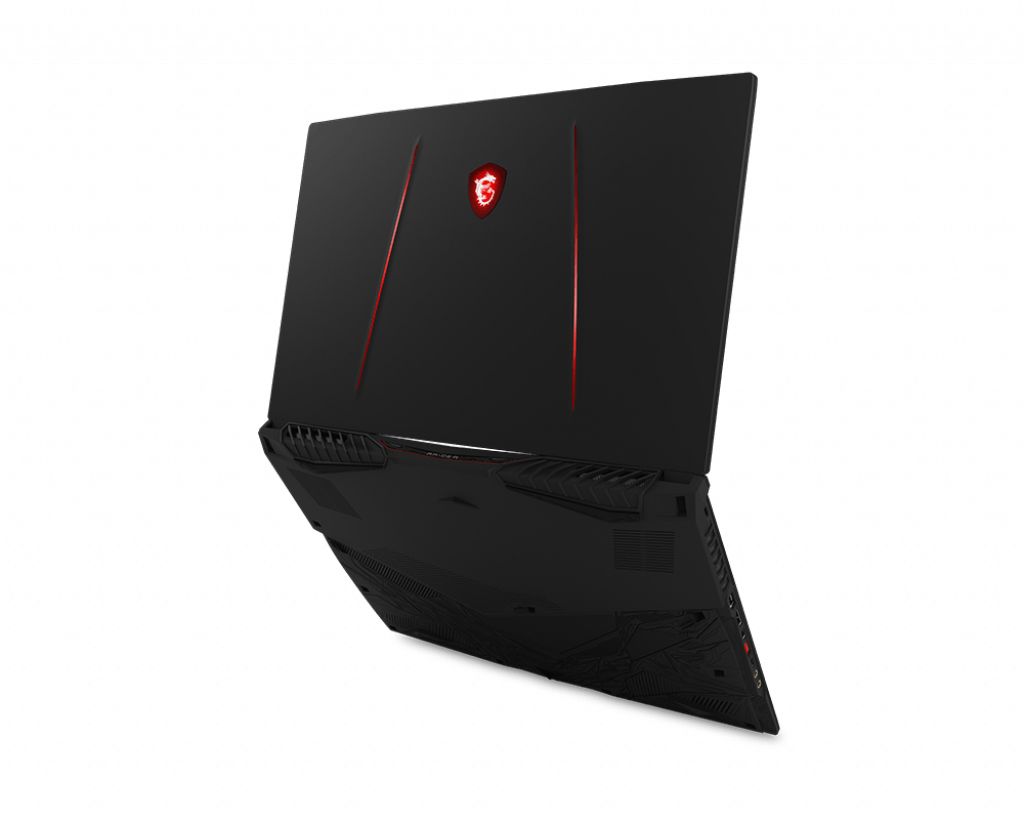
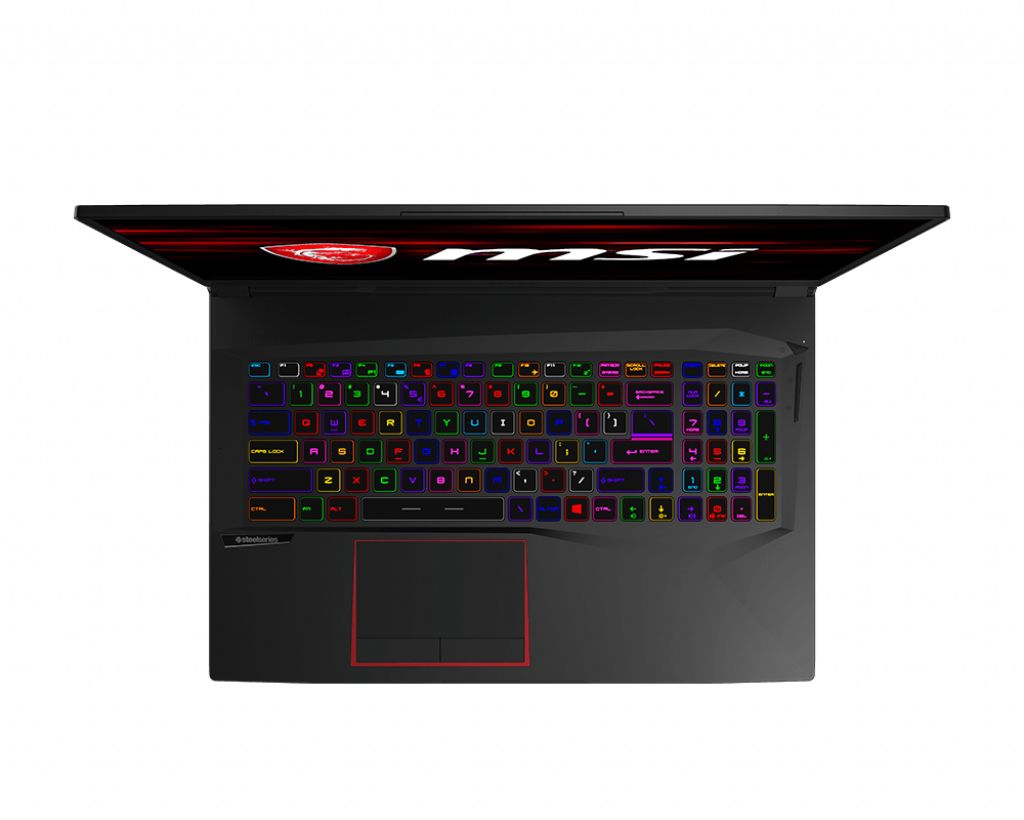
MSI GE75 9SF-419DE Raider gaming laptop supports DDR4-SDRAM memory upgrades through two SO-DIMM slots. Maximum compatible RAM capacity reaches 64 GB total, with specifications indicating 2666 MHz frequency support. The laptop's memory upgrade specifications allow installation of SO-DIMM format modules for expanded multitasking and performance capabilities. Current configuration supports standard DDR4 memory modules within the defined parameters and slot configuration of the gaming series platform.
Memory Upgrade Specifications
| Specification | Value |
|---|---|
| Memory slots | 2x SO-DIMM |
| Form factor | SO-DIMM |
| Memory type | DDR4-SDRAM |
| Frequency | 2666 MHz |
| Maximum RAM | 64 GB |
| Voltage | 1.2V |
| Number of pins | 260-pin |
| Interface | PC4 |
| PC Speed Rating | PC4-2666 (PC4-21328) |
| Bandwidth | 21.3 GB/s |
| Laptop Release date | 13 May 2019 |
Additional Notes
- The 2666 MHz frequency represents a DDR4-2666 specification, which operates at PC4-21300 standard with a theoretical maximum bandwidth of 21.3 GB/s per module in single-channel mode.
- Dual-channel configuration delivers aggregate memory bandwidth of approximately 42.6 GB/s when both SO-DIMM slots are populated with matched modules.
- The 64 GB maximum capacity indicates chipset support for high-density modules, requiring 32 GB SO-DIMM sticks to reach this threshold.
- Intel 9th generation mobile processors typically found in this MSI Gaming platform support DDR4 speeds up to 2933 MHz natively, though the system enforces a 2666 MHz ceiling through BIOS or chipset limitations.
- Installing higher-frequency modules such as 3200 MHz will result in automatic downclocking to 2666 MHz, with no performance benefit but potential cost penalty.
- Single-channel operation when using only one populated slot reduces memory bandwidth by approximately 50%, creating potential bottlenecks in GPU-intensive gaming scenarios and memory-bound applications.
- The SO-DIMM form factor requires modules measuring 67.6 mm in length, incompatible with standard desktop DIMM memory which measures 133.35 mm.
- Access to memory slots on gaming chassis typically requires bottom panel removal, which may void warranty seals depending on regional service policies.
- Mixing modules with different specifications such as varying CAS latencies or single-rank versus dual-rank configurations may force the system to lowest common denominator timings, degrading performance.
- Thermal constraints in high-performance gaming laptops favor low-profile SO-DIMM modules without aftermarket heat spreaders, which can interfere with chassis closure or thermal pad contact.
- ECC memory modules are incompatible with consumer-grade gaming platforms, as the chipset lacks error-correction functionality despite physical SO-DIMM compatibility.
- Operating voltage must conform to DDR4 standard of 1.2V, as gaming laptop power delivery systems do not accommodate enthusiast overclocking voltages of 1.35V or higher.