MSI Gaming GE75 9SF-424CA Raider RAM upgrade specifications
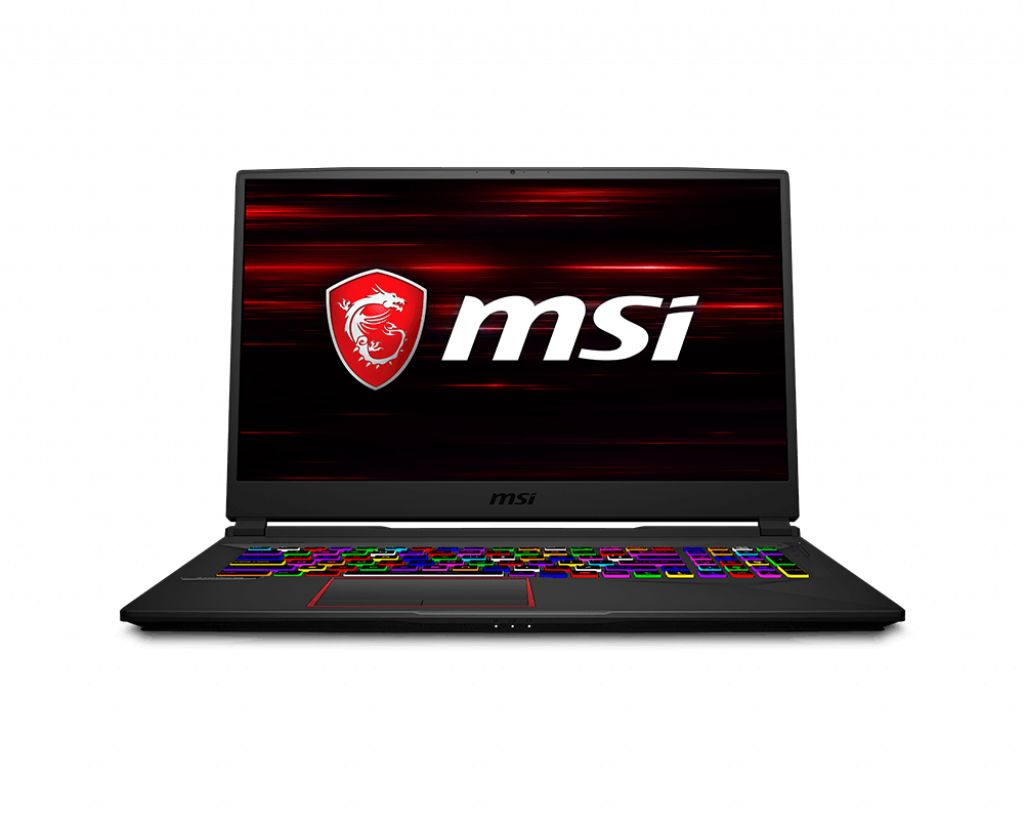
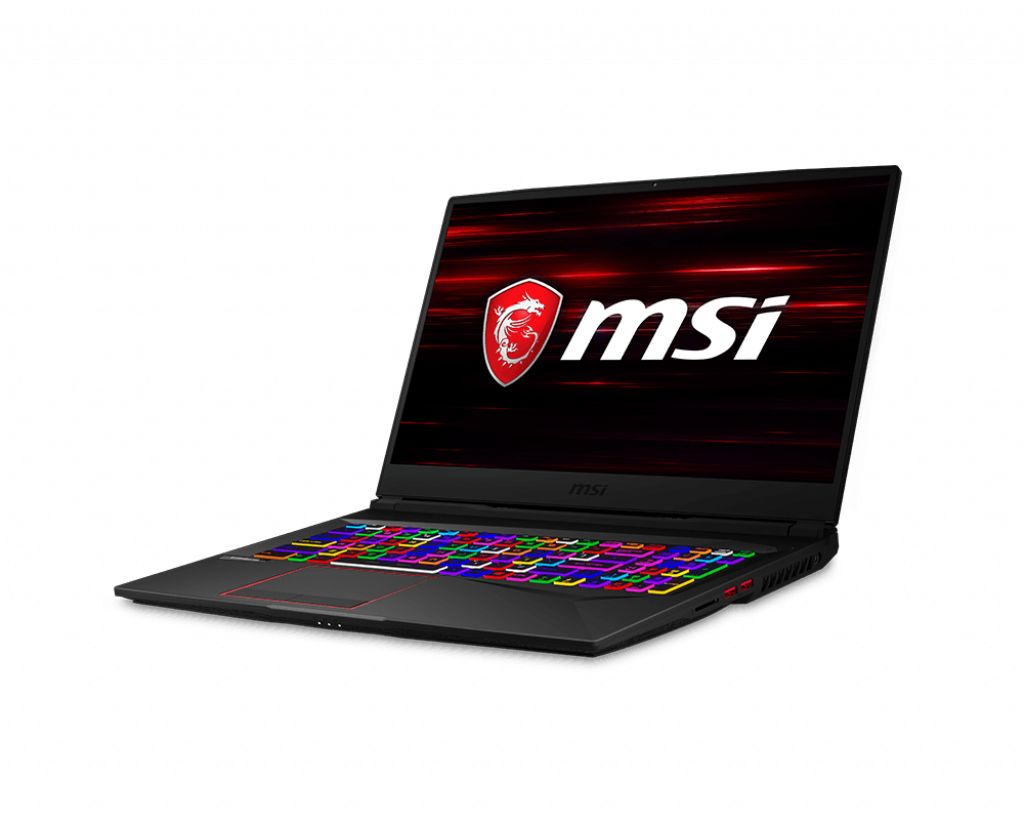
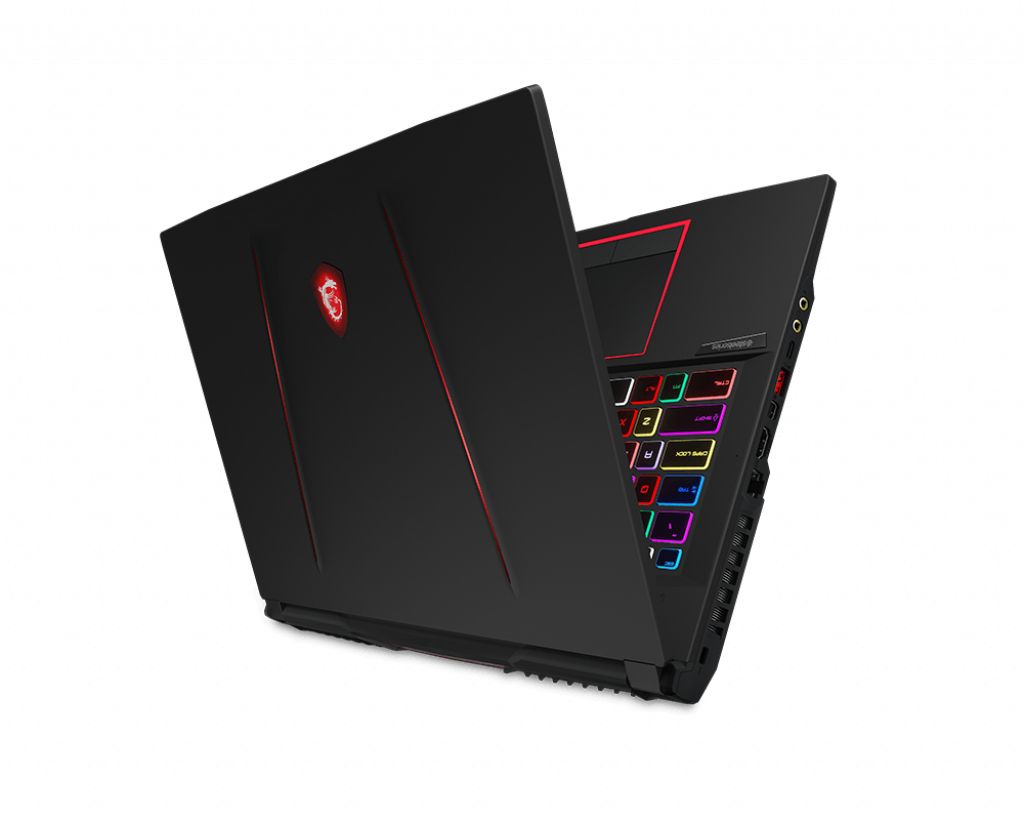
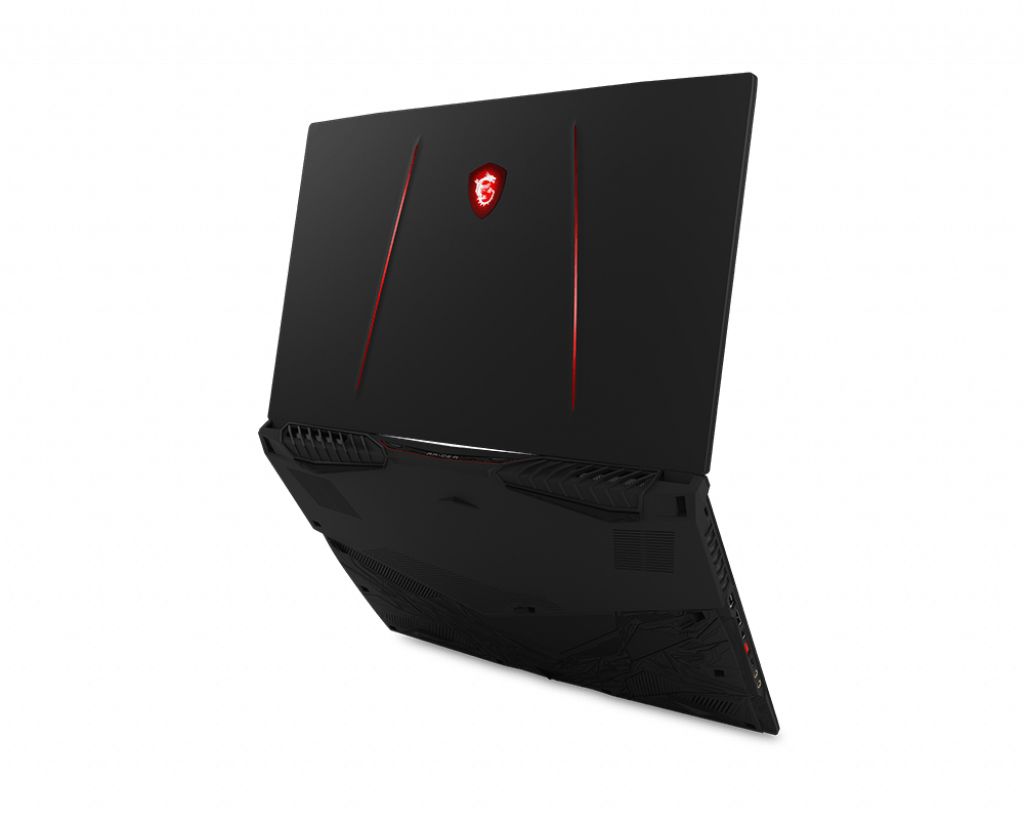
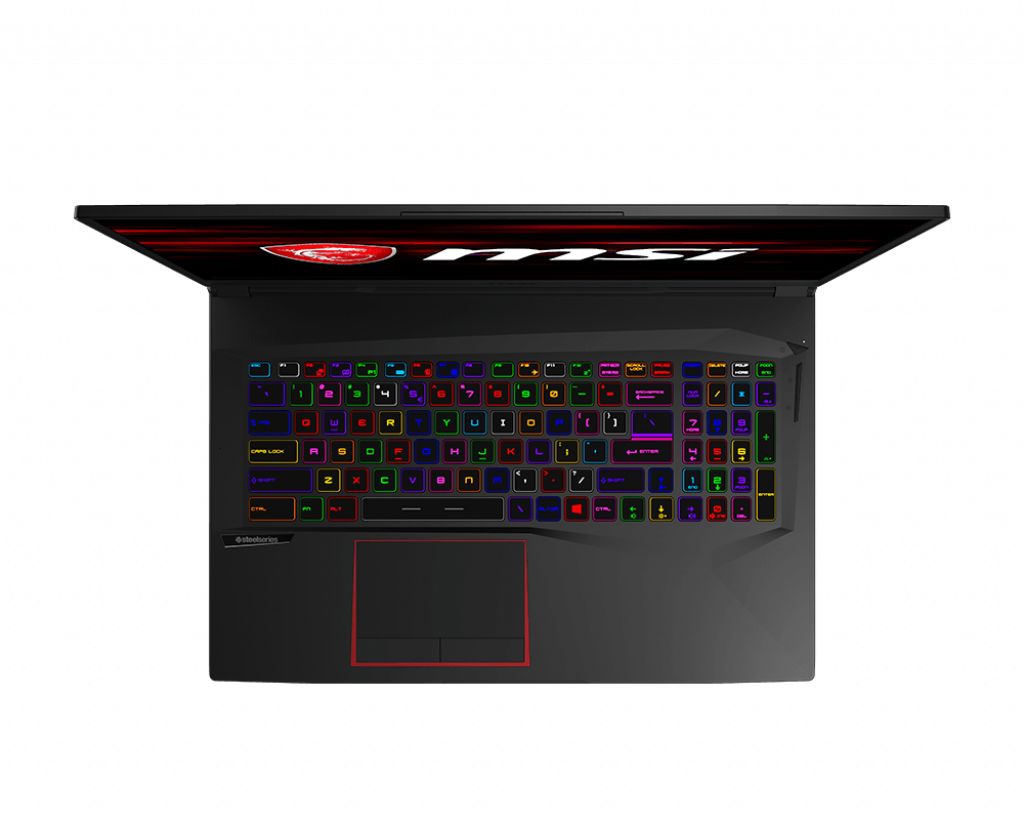
MSI GE75 9SF-424CA Raider gaming laptop memory upgrade specifications include DDR4-SDRAM support with 2x SO-DIMM slots for RAM expansion. The system supports maximum memory capacity of 64 GB total, with compatible modules operating at 2666 MHz frequency. The SO-DIMM form factor specifications define the physical and electrical requirements for memory module installation in this gaming series model.
Memory Upgrade Specifications
| Specification | Value |
|---|---|
| Memory slots | 2x SO-DIMM |
| Form factor | SO-DIMM |
| Memory type | DDR4-SDRAM |
| Frequency | 2666 MHz |
| Maximum RAM | 64 GB |
| Voltage | 1.2V |
| Number of pins | 260-pin |
| Interface | PC4 |
| PC Speed Rating | PC4-2666 (PC4-21328) |
| Bandwidth | 21.3 GB/s |
| Laptop Release date | 19 May 2019 |
Additional Notes
- The MSI GE75 9SF-424CA Raider accommodates only 2 SO-DIMM slots, which means maximum capacity expansion is constrained by slot count rather than chipset limitations. Adding memory requires removing existing modules rather than filling empty slots.
- The 2666 MHz specification represents the JEDEC standard for 9th-generation mobile platforms. Modules rated for higher frequencies (3000 MHz or above) will operate at reduced 2666 MHz speeds, resulting in no performance gain from premium-tier memory purchases.
- DDR4-SDRAM at 2666 MHz paired with a 9th-generation mobile processor creates a bandwidth ceiling of approximately 42.6 GB/s. This saturation point limits gains from memory speed optimization and represents the practical performance plateau for this generation.
- SO-DIMM form factor dictates that replacement modules must use laptop-grade memory modules. Desktop DDR4 modules are physically incompatible and cannot be force-fitted without causing permanent damage to the memory slot connector.
- Upgrading from the factory configuration to 64 GB requires dual 32 GB SO-DIMM modules. Availability and pricing of 32 GB laptop modules fluctuate significantly compared to standardized desktop alternatives, affecting replacement economics.
- The 2-slot architecture eliminates staged upgrade strategies. Transitioning from 16 GB to 32 GB requires complete module replacement rather than additive expansion, generating e-waste from working memory components.