MSI Gaming GE75 9SF-488 Raider RAM upgrade specifications



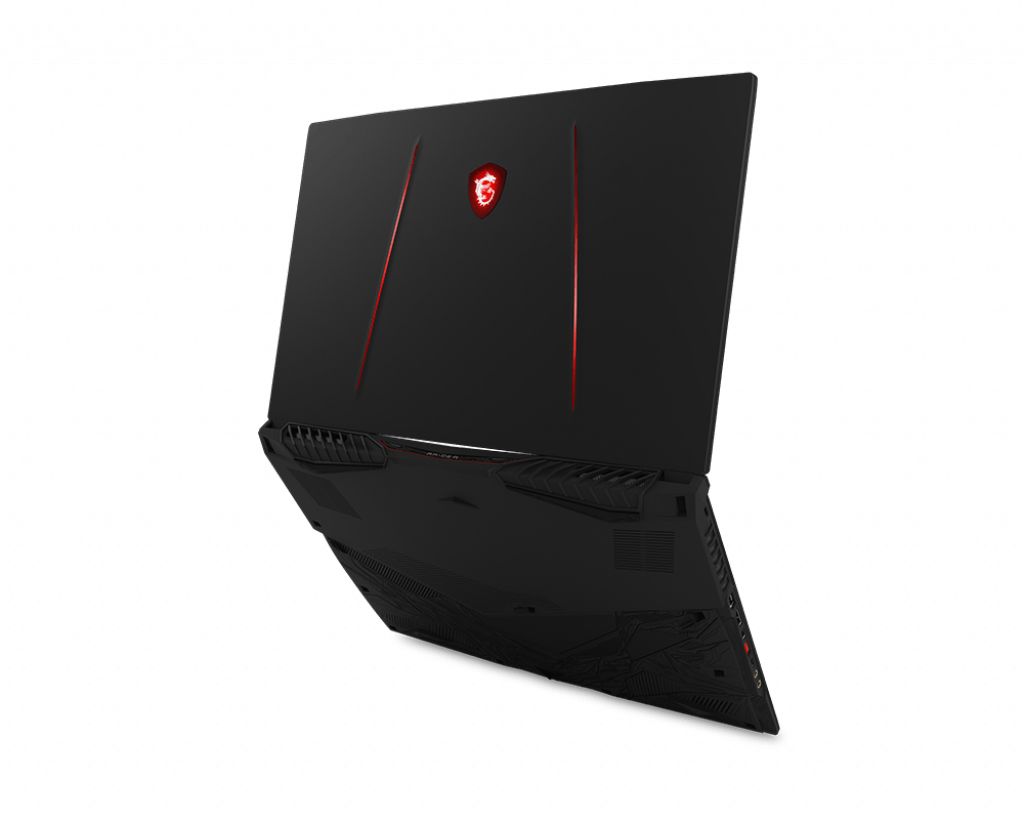
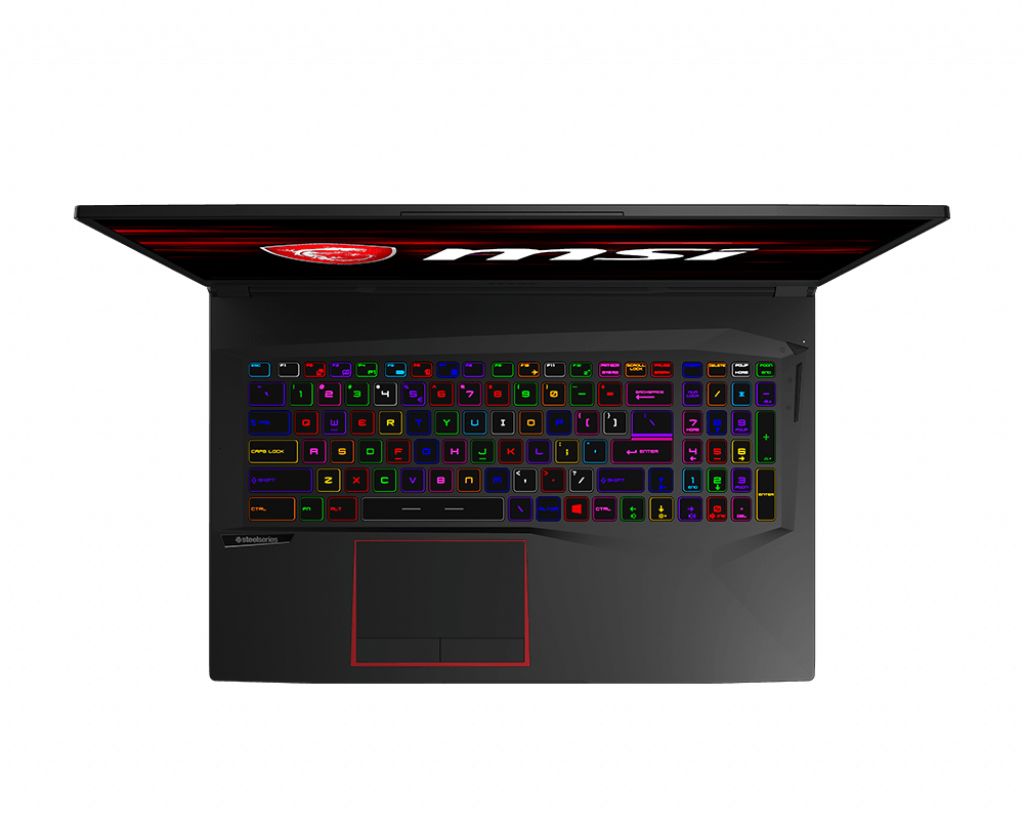
The MSI GE75 9SF-488 Raider Gaming series laptop contains two SO-DIMM memory slots supporting DDR4-SDRAM upgrades. Maximum RAM capacity reaches 64 GB with compatible modules operating at 2666 MHz frequency. The upgrade specifications indicate DDR4 memory modules in SO-DIMM form factor are required for this laptop model. Current memory configuration details and compatible upgrade options depend on factory specifications of the individual unit.
Memory Upgrade Specifications
| Specification | Value |
|---|---|
| Memory slots | 2x SO-DIMM |
| Form factor | SO-DIMM |
| Memory type | DDR4-SDRAM |
| Frequency | 2666 MHz |
| Maximum RAM | 64 GB |
| Voltage | 1.2V |
| Number of pins | 260-pin |
| Interface | PC4 |
| PC Speed Rating | PC4-2666 (PC4-21328) |
| Bandwidth | 21.3 GB/s |
| Laptop Release date | 10 May 2019 |
Additional Notes
- The MSI GE75 9SF-488 Raider supports dual-channel memory architecture through its 2 SO-DIMM configuration, enabling potential bandwidth of 42.6 GB/s when both slots operate in tandem with matched modules.
- Single-module installations will halve the effective memory bandwidth, potentially limiting performance in bandwidth-intensive gaming and rendering workloads despite adequate capacity.
- The 64 GB ceiling accommodates 2x32 GB module configurations, requiring double-sided high-density SO-DIMMs that may encounter clearance issues beneath certain keyboards or cooling assemblies in compact gaming chassis designs.
- DDR4-2666 represents JEDEC standard specification, ensuring compatibility with higher-rated modules that will downclock to 2666 MHz, though purchasing premium-binned RAM yields no performance advantage in this platform.
- Non-ECC unbuffered modules are required for consumer SO-DIMM slots, as server-grade ECC or registered memory will fail POST initialization or operate with degraded stability.
- Mixing modules with different densities or timings across the 2 slots may force the memory controller to lowest-common-denominator settings, introducing latency penalties beyond the baseline CL19 typical of DDR4-2666.
- The SO-DIMM form factor necessitates bottom-panel removal for installation, where warranty seals may be present depending on regional service policies and purchase channels.
- CAS latency tolerance spans CL15 through CL19 at the 2666 MHz frequency boundary, but true latency in nanoseconds remains nearly identical across this range, making timing specifications secondary to capacity and matched-pair configurations.
- Intel 9th-generation mobile platforms impose the 2666 MHz frequency lock regardless of XMP profile support, preventing overclocking headroom available in desktop counterparts with unlocked memory controllers.
- Voltage requirements standard at 1.2V for DDR4 ensure compatibility with battery-powered operation constraints, while low-voltage 1.35V variants offer negligible power savings in high-performance gaming configurations.