MSI Gaming GE75 9SG-295AU Raider RAM upgrade specifications



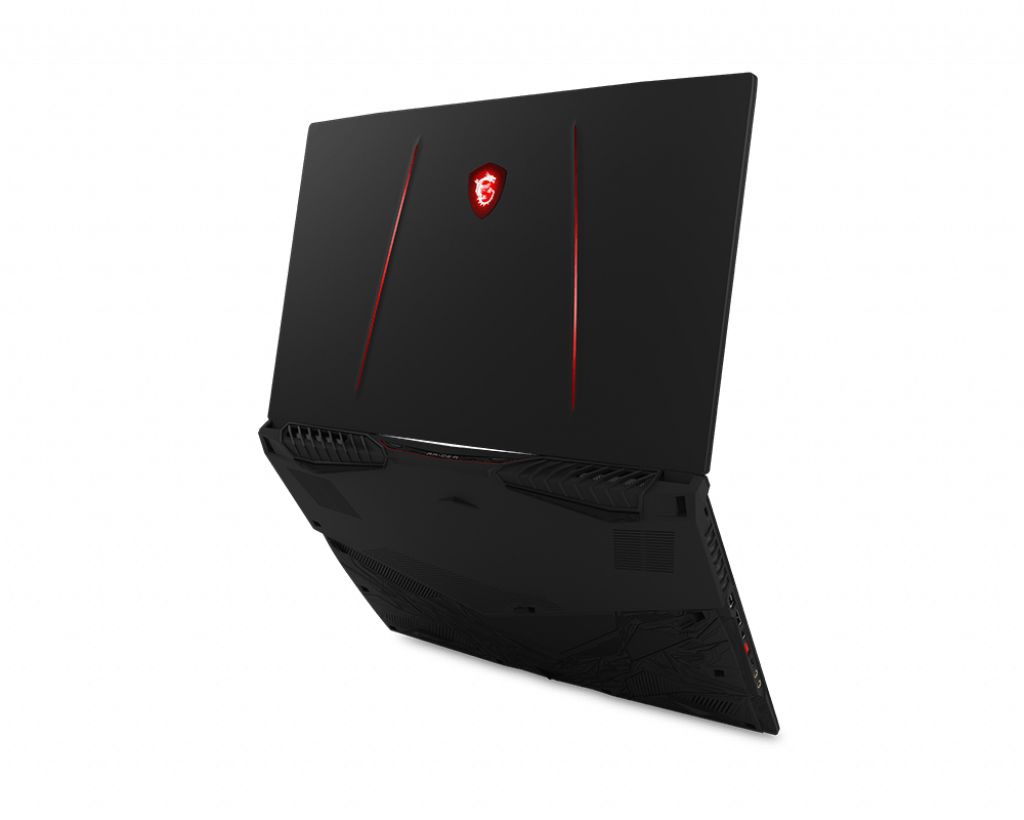

The MSI GE75 9SG-295AU Raider gaming laptop features DDR4-SDRAM memory upgrade capabilities with two SO-DIMM slots for expansion. Maximum supported RAM capacity reaches 64 GB, enabling significant memory upgrades from the factory configuration. Compatible memory operates at 2666 MHz frequency with SO-DIMM form factor specifications. Upgrade specifications define memory compatibility and maximum capacity parameters for the GE75 9SG-295AU Raider series.
Memory Upgrade Specifications
| Specification | Value |
|---|---|
| Memory slots | 2x SO-DIMM |
| Form factor | SO-DIMM |
| Memory type | DDR4-SDRAM |
| Frequency | 2666 MHz |
| Maximum RAM | 64 GB |
| Voltage | 1.2V |
| Number of pins | 260-pin |
| Interface | PC4 |
| PC Speed Rating | PC4-2666 (PC4-21328) |
| Bandwidth | 21.3 GB/s |
| Laptop Release date | 17 September 2019 |
Additional Notes
- The 2666 MHz frequency represents DDR4-2666 standard, which operates at PC4-21300 bandwidth, delivering a theoretical maximum transfer rate of 21.3 GB/s per module in single-channel configuration.
- The SO-DIMM form factor measures 67.6 mm in length, distinguishing it from the 133.35 mm desktop DIMM standard and preventing accidental installation of incompatible memory modules.
- The 2-slot configuration limits dual-channel operation to matched module pairs, meaning asymmetric capacities such as 8 GB plus 16 GB will function but may result in flex mode operation where only a portion runs in dual-channel.
- The 64 GB ceiling necessitates 32 GB modules for maximum capacity, which requires double-rank architecture and may introduce marginally higher latency compared to single-rank configurations.
- The MSI GE75 9SG-295AU Raider uses Intel's 9th-generation mobile platform, which officially supports DDR4-2666 as the maximum JEDEC specification, though higher frequency modules will downclock to this speed.
- Module compatibility requires 1.2V standard operating voltage for DDR4, as the SO-DIMM format does not accommodate voltage regulator circuitry present in some performance-oriented desktop modules.
- Access to memory slots typically requires bottom panel removal on this chassis design, with modules installed at a 30-degree angle before being pressed flat into retention clips.
- The dual-slot limitation means capacity upgrades require complete replacement of existing modules rather than incremental addition beyond the second slot.
- Non-ECC unbuffered modules are required for consumer mobile platforms, as registered or error-correcting configurations are incompatible with the integrated memory controller.
- CAS latency ratings at DDR4-2666 typically range from CL15 to CL19, with timing differences producing measurable but minor performance variations in gaming and content creation workloads.
- Mixed manufacturer modules may function but can introduce stability risks due to differing PCB designs, IC density arrangements, or SPD profile variations.