MSI Gaming GE75 9SG-299BE Raider RAM upgrade specifications
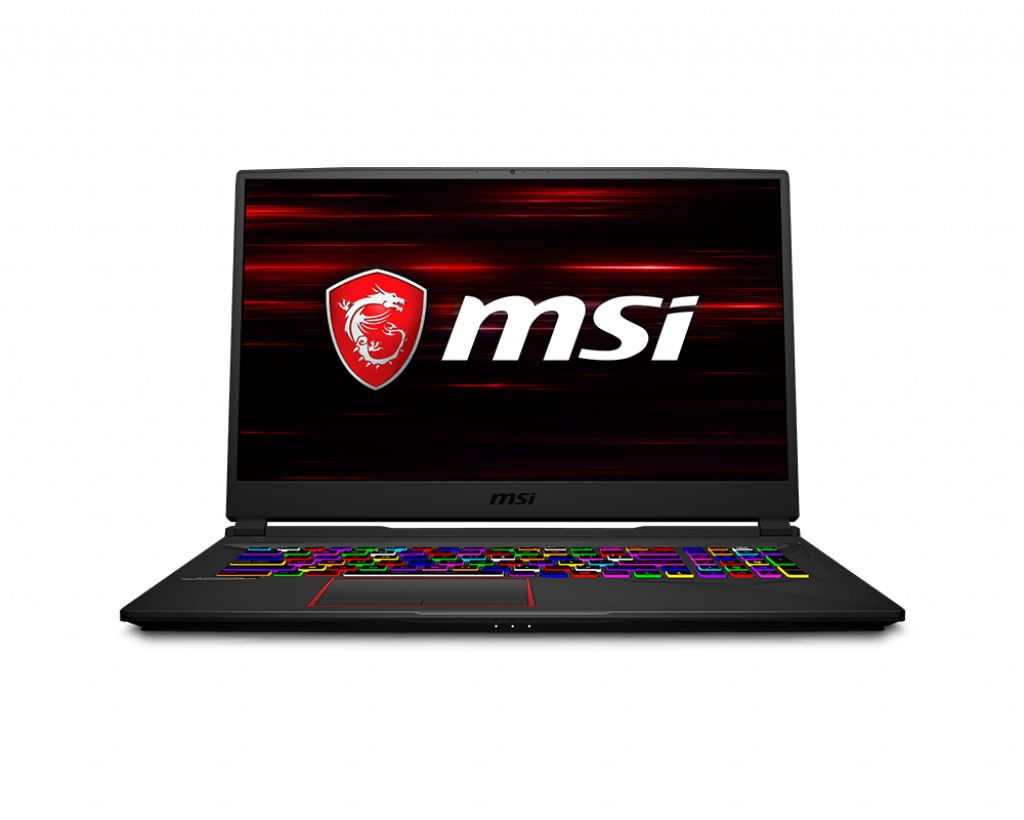
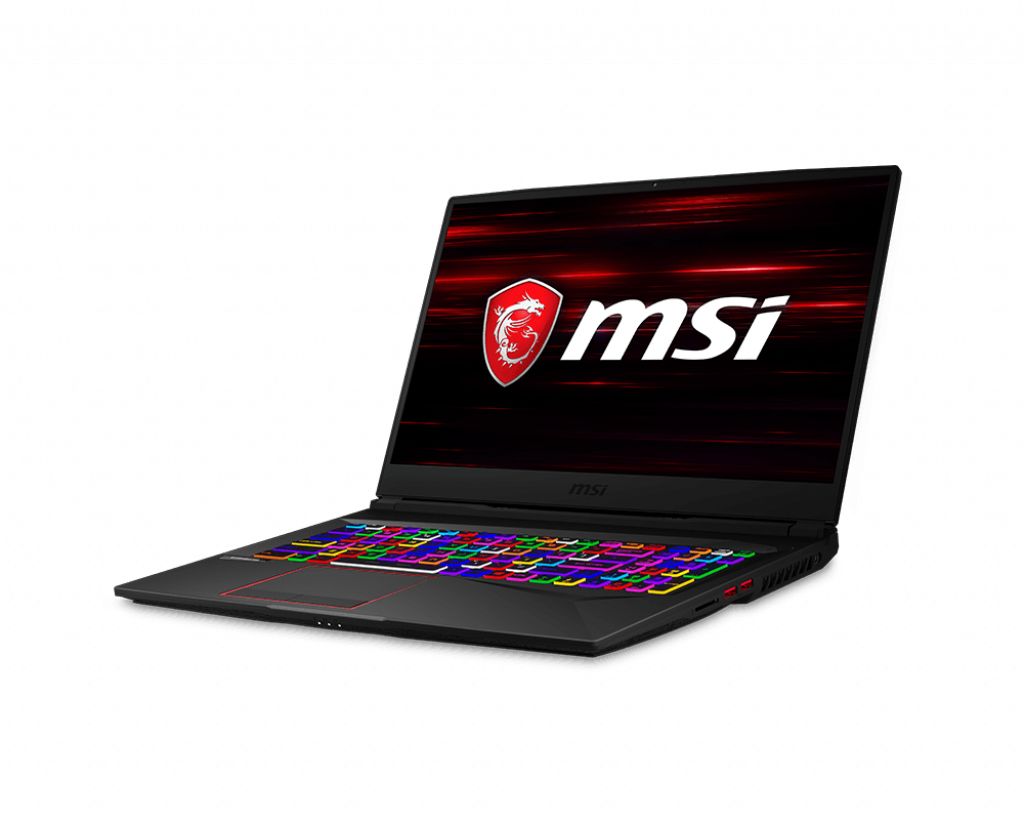
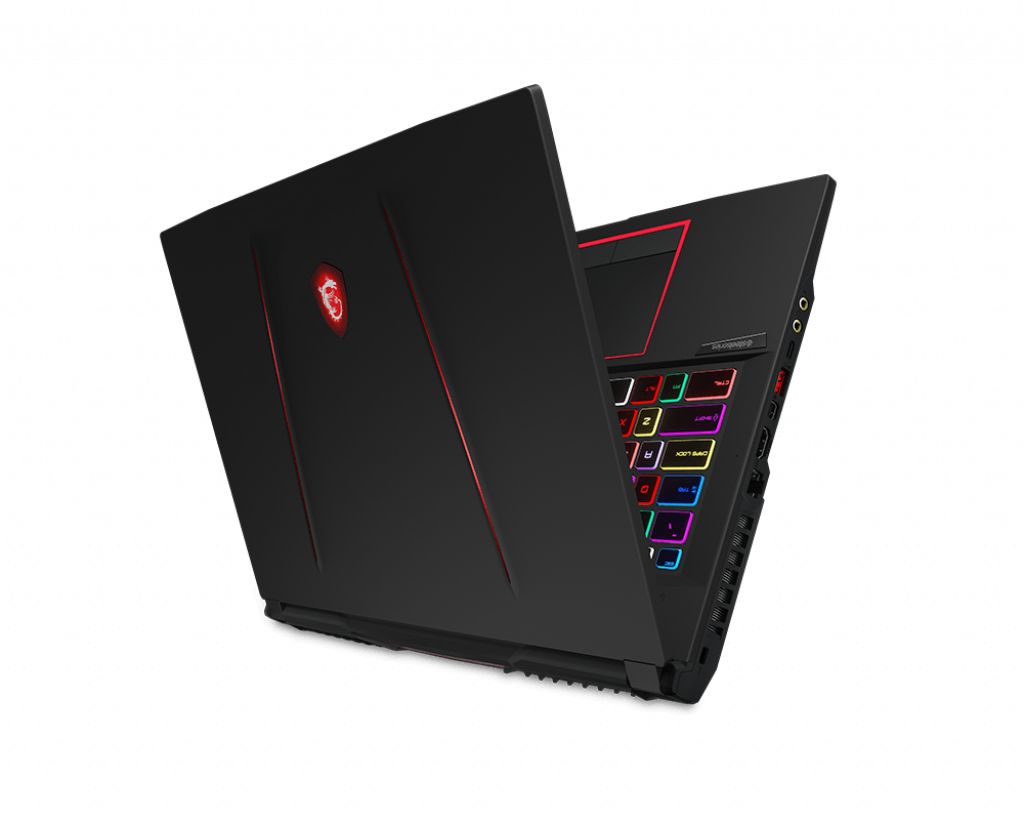
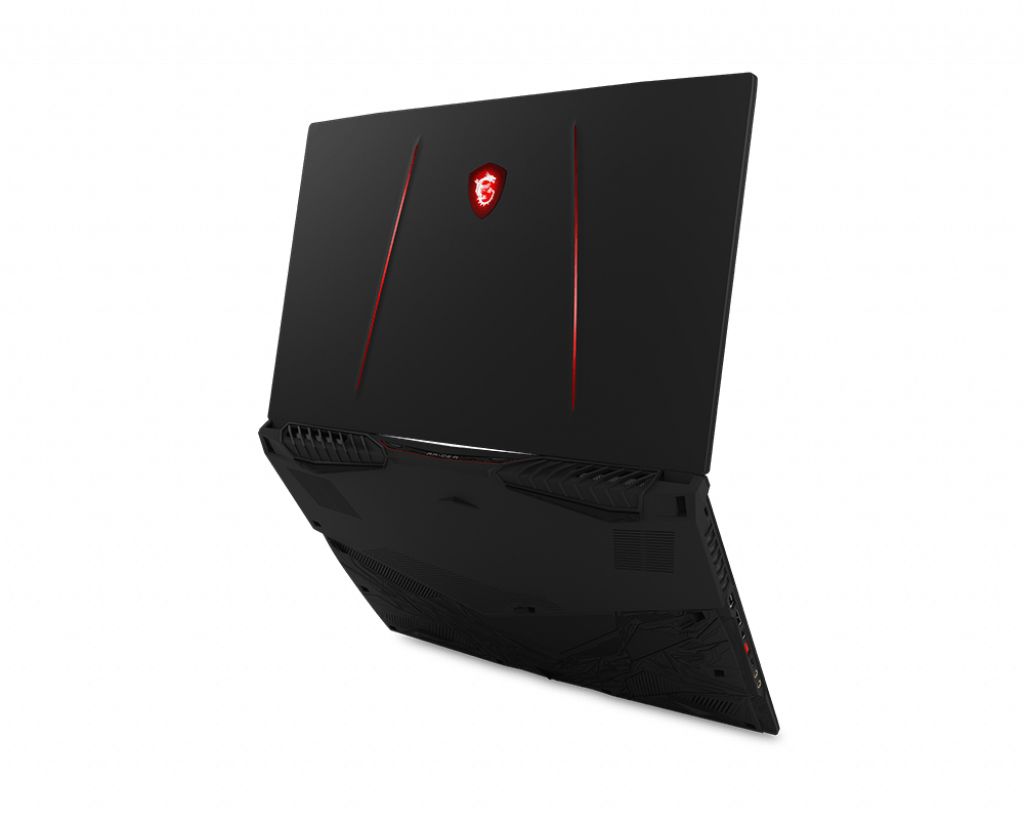
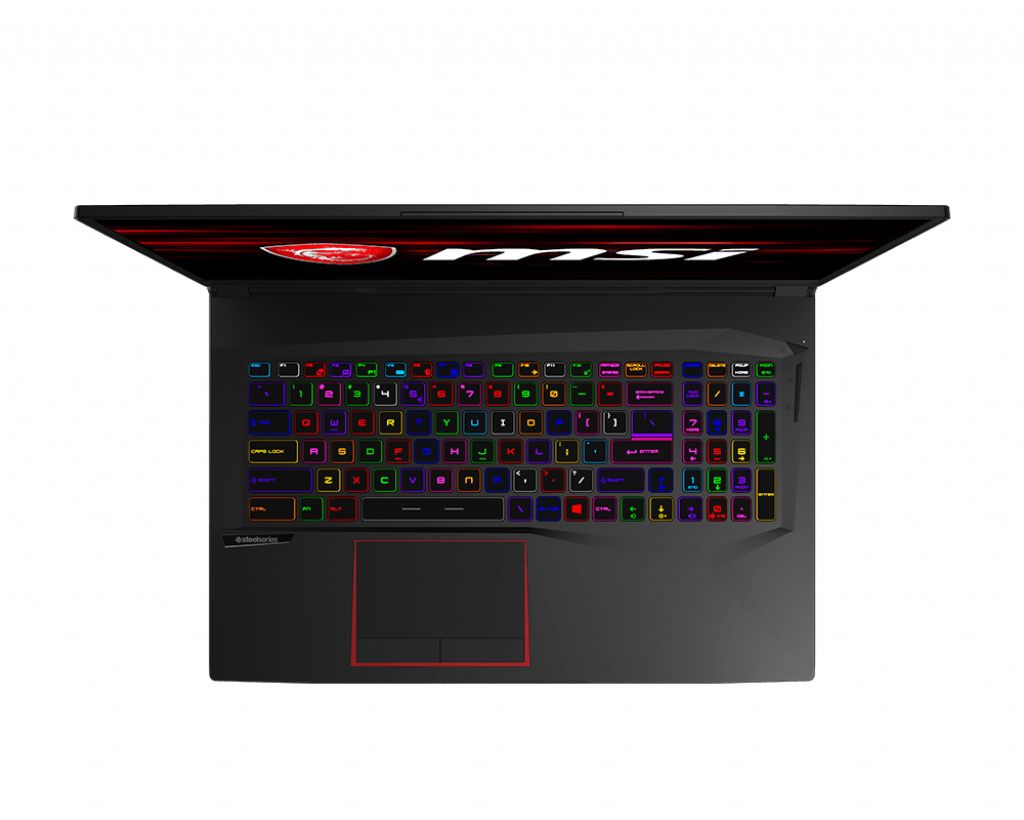
The MSI GE75 9SG-299BE Raider Gaming series laptop features DDR4-SDRAM memory upgrade specifications with 2x SO-DIMM slots supporting maximum capacity of 64 GB total RAM. Compatible memory operates at 2666 MHz frequency using SO-DIMM form factor. Upgrade slots accommodate standard DDR4 modules for enhanced system performance and multitasking capabilities on the GE75 9SG-299BE Raider model.
Memory Upgrade Specifications
| Specification | Value |
|---|---|
| Memory slots | 2x SO-DIMM |
| Form factor | SO-DIMM |
| Memory type | DDR4-SDRAM |
| Frequency | 2666 MHz |
| Maximum RAM | 64 GB |
| Voltage | 1.2V |
| Number of pins | 260-pin |
| Interface | PC4 |
| PC Speed Rating | PC4-2666 (PC4-21328) |
| Bandwidth | 21.3 GB/s |
| Laptop Release date | 08 April 2019 |
Additional Notes
- The MSI GE75 9SG-299BE Raider contains 2 memory slots with a shared bandwidth architecture, meaning simultaneous access to both modules creates contention. Dual-channel operation requires matched capacity pairs to function optimally; mismatched configurations revert to single-channel mode on the larger module, reducing effective bandwidth by approximately 50 percent.
- DDR4-2666 MHz represents the native JEDEC standard for this generation of mobile processors. Memory modules rated above 2666 MHz will operate at 2666 MHz due to memory controller limitations in the underlying chipset, making higher-frequency purchases incompatible with speed advantage claims.
- SO-DIMM form factor occupies physical space directly above or beneath the keyboard assembly in most laptop designs. Thermal clearance between the memory module and keyboard backing plate may restrict installation of taller aftermarket heatspreaders; standard low-profile modules install without obstruction.
- The 64 GB capacity ceiling reflects a 32 GB per-slot limitation imposed by the memory controller. Purchasing 2x32 GB modules reaches the maximum addressable memory; any higher-capacity modules will be rejected during POST or force underclocking to unsupported speeds.
- Warranty implications exist for non-original memory installations. Manufacturer support typically covers defects in factory-installed modules only; third-party RAM upgrades may void coverage for memory-related failures or require proof of compatibility verification through official channels before claims processing.
- Upgrading from factory configuration requires full module replacement rather than supplementation if the original capacity is unknown. Installing modules with mismatched timings or voltage specifications (even within DDR4 standard ranges) can cause boot failures or data corruption without BIOS-level error reporting.