MSI Gaming GE75 9SG-298NL Raider RAM upgrade specifications

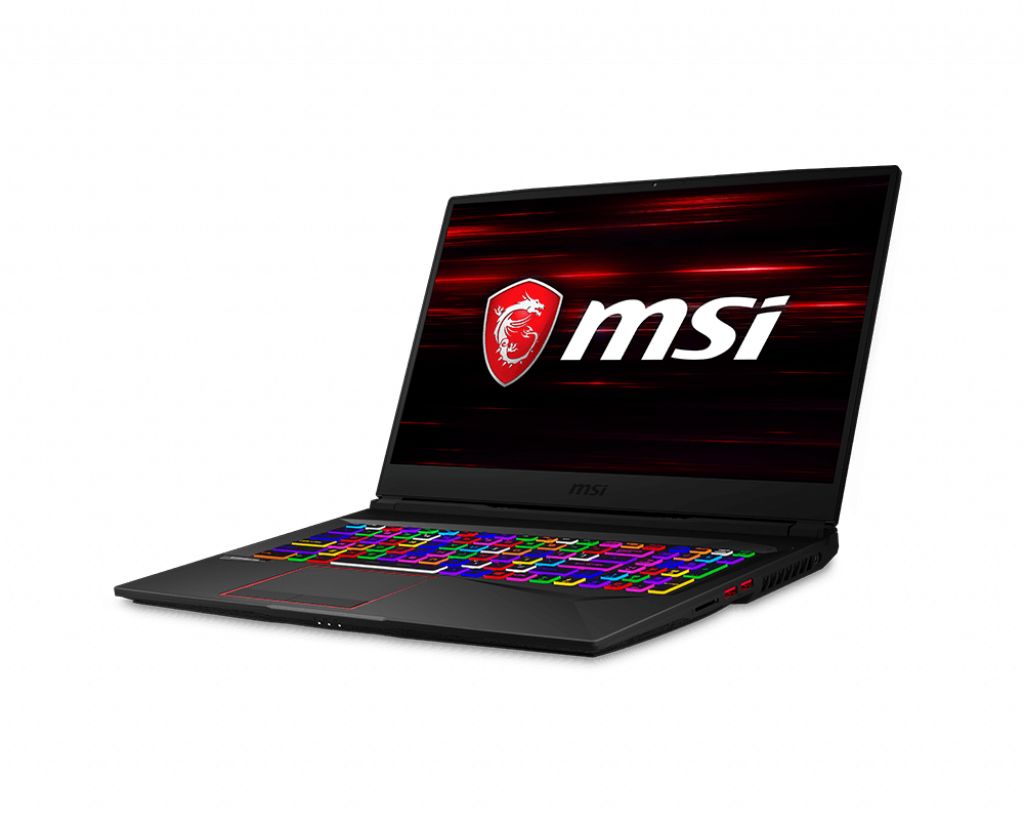
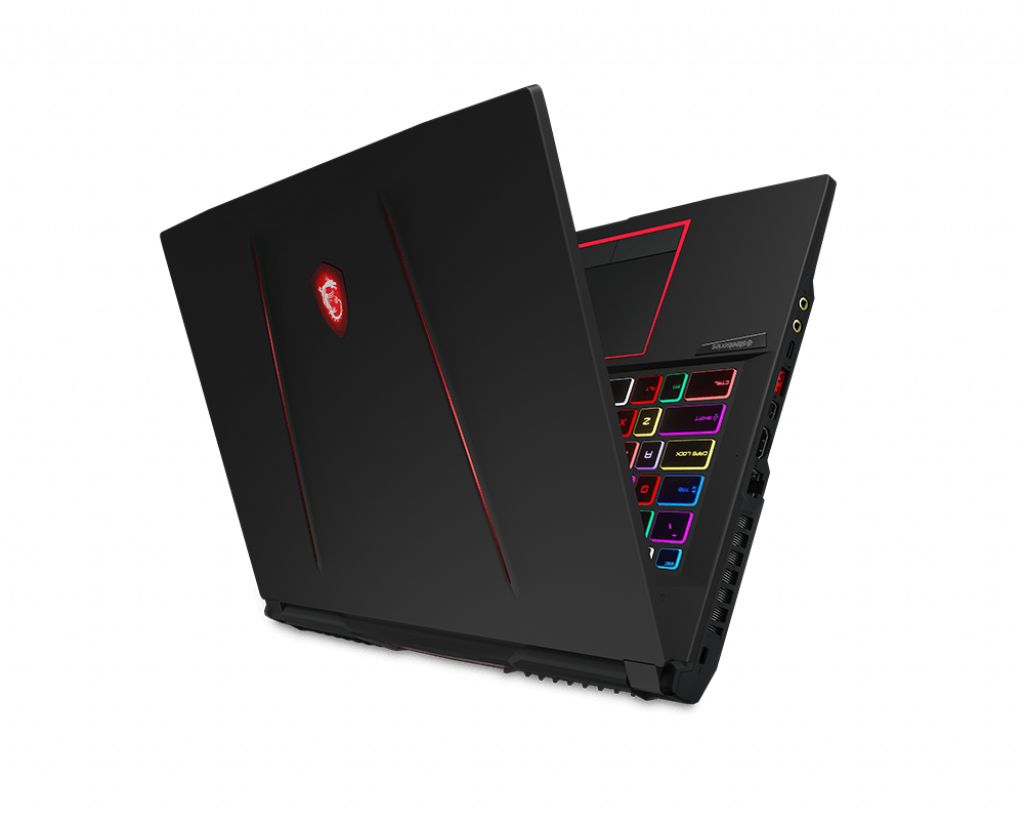
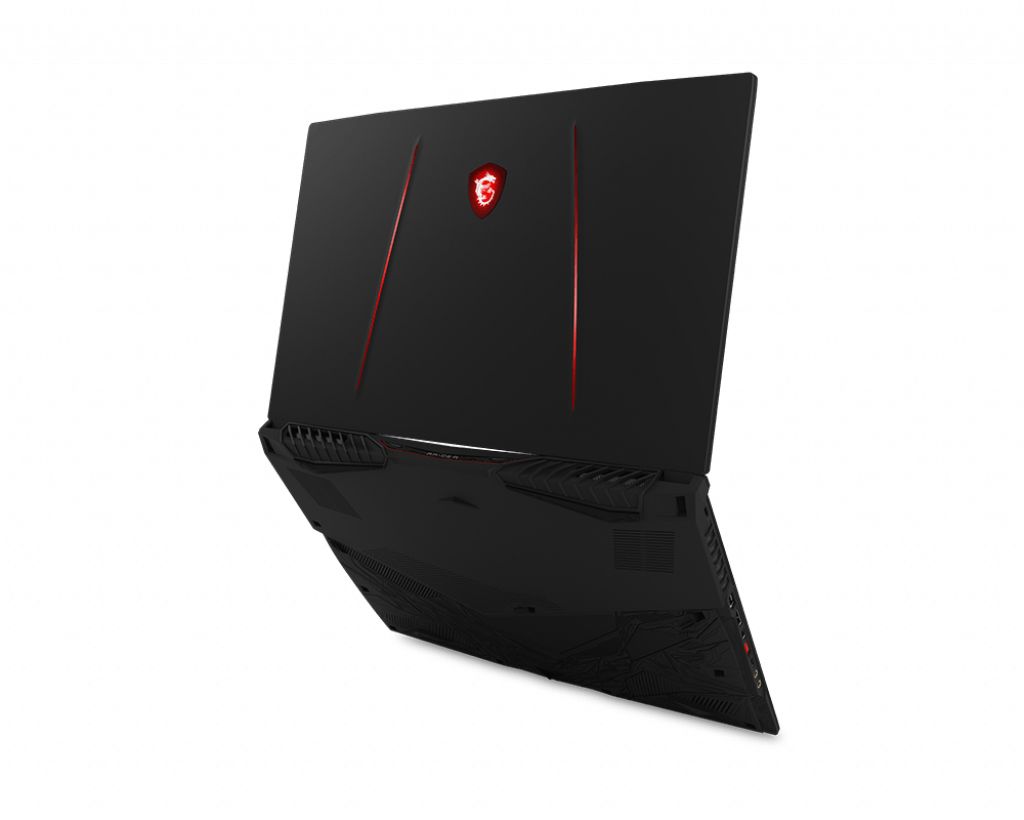
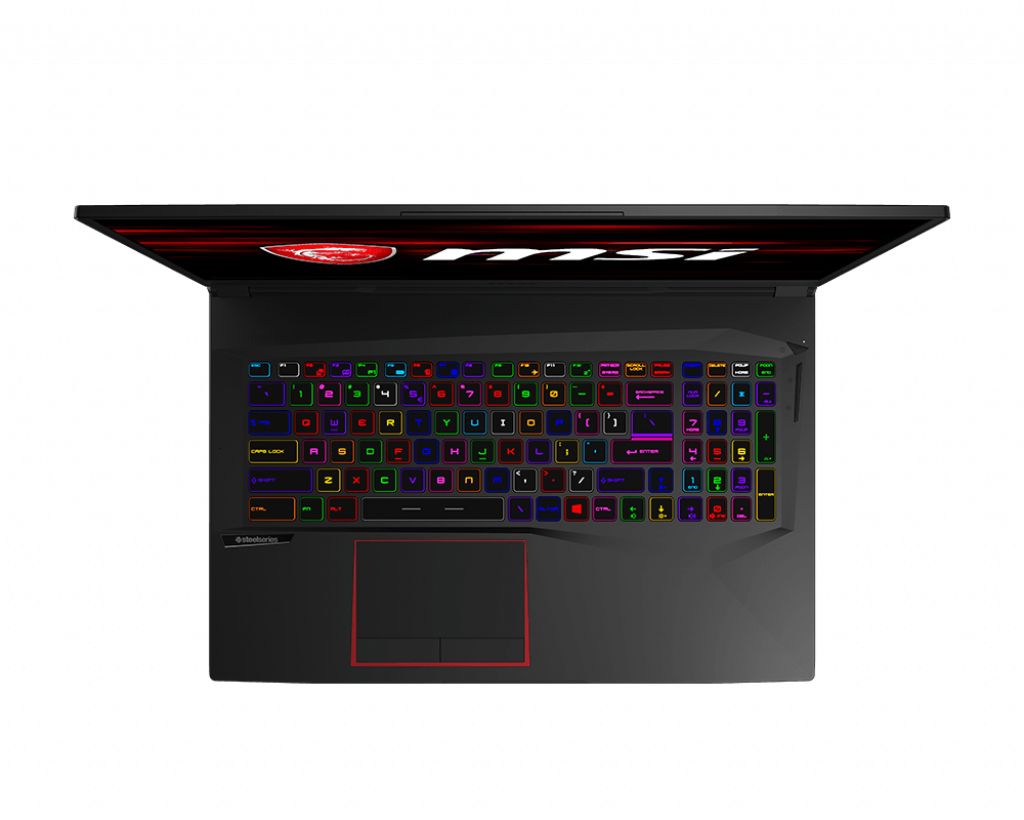
The MSI GE75 9SG-298NL Raider gaming laptop features two SO-DIMM slots supporting DDR4-SDRAM memory upgrades. The system accommodates a maximum RAM capacity of 64 GB total, with compatible modules operating at 2666 MHz frequency. Users can upgrade the memory configuration by replacing or adding DDR4 SO-DIMM modules to enhance multitasking performance and system responsiveness. The specifications indicate compatibility with standard DDR4 memory specifications within the designated frequency range.
Memory Upgrade Specifications
| Specification | Value |
|---|---|
| Memory slots | 2x SO-DIMM |
| Form factor | SO-DIMM |
| Memory type | DDR4-SDRAM |
| Frequency | 2666 MHz |
| Maximum RAM | 64 GB |
| Voltage | 1.2V |
| Number of pins | 260-pin |
| Interface | PC4 |
| PC Speed Rating | PC4-2666 (PC4-21328) |
| Bandwidth | 21.3 GB/s |
| Laptop Release date | 03 May 2019 |
Additional Notes
- The MSI GE75 9SG-298NL Raider accommodates only 2 memory slots, which eliminates modular expansion beyond maximum capacity. Upgrading to 64 GB requires replacing both existing modules rather than supplementing them.
- DDR4-2666 MHz operates below standard JEDEC frequencies for 9th-generation Intel platforms. Module compatibility extends to higher-frequency DDR4 kits (3000+ MHz), though the controller will downclock to 2666 MHz, negating any performance benefit from premium memory.
- SO-DIMM form factor restricts module selection to laptop-specific modules only. Desktop DDR4 UDIMMs and server RDIMMs are physically incompatible and will not insert into the motherboard slots.
- Single-rank versus dual-rank SO-DIMM configurations may produce marginal latency differences, but the 2666 MHz ceiling creates a larger performance constraint than memory architecture alone.
- Warranty coverage typically permits RAM replacement when performed by end-users. Verification with MSI support before installation eliminates risk of coverage voidance, particularly if thermal paste disturbance occurs during case disassembly.
- The 64 GB ceiling constrains workload scaling. Memory-intensive applications such as 3D rendering or large dataset processing will encounter hard limits that cannot be surpassed through upgrade.
- DDR4-2666 paired with 9th-generation processors may create asymmetric bandwidth utilization in GPU-accelerated tasks, where graphics memory bandwidth exceeds system memory throughput, creating a secondary bottleneck.