MSI Gaming GE75 Raider 10SF-414FR RAM upgrade specifications
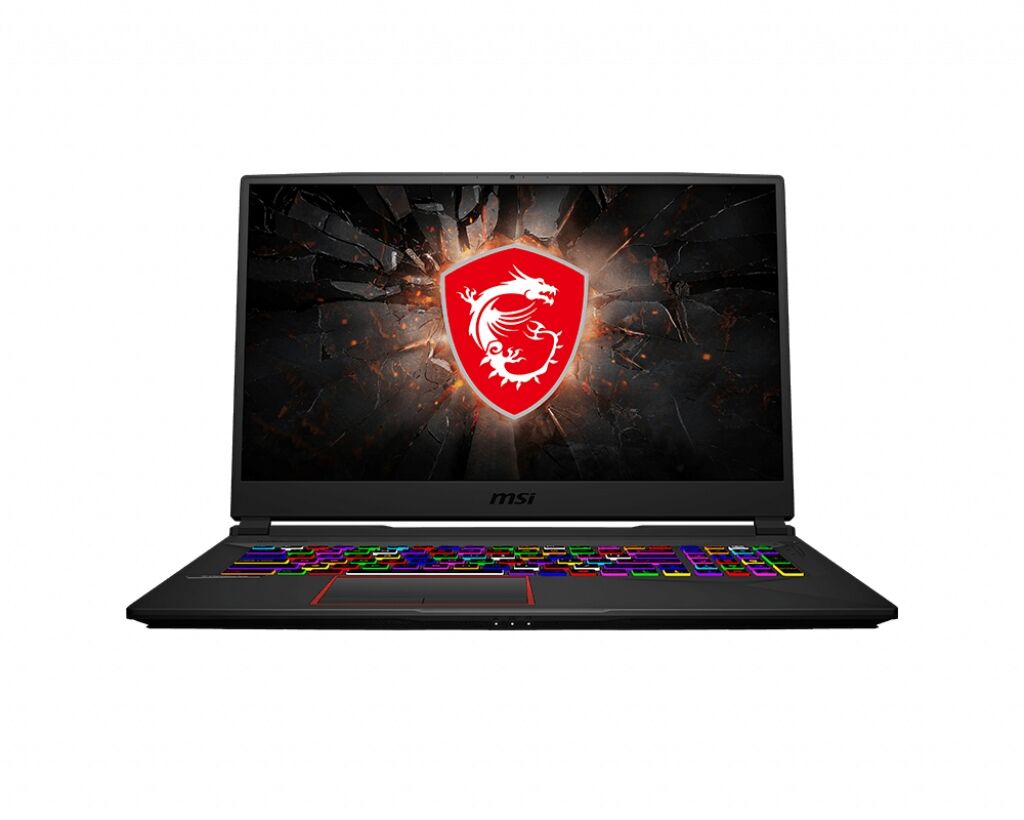
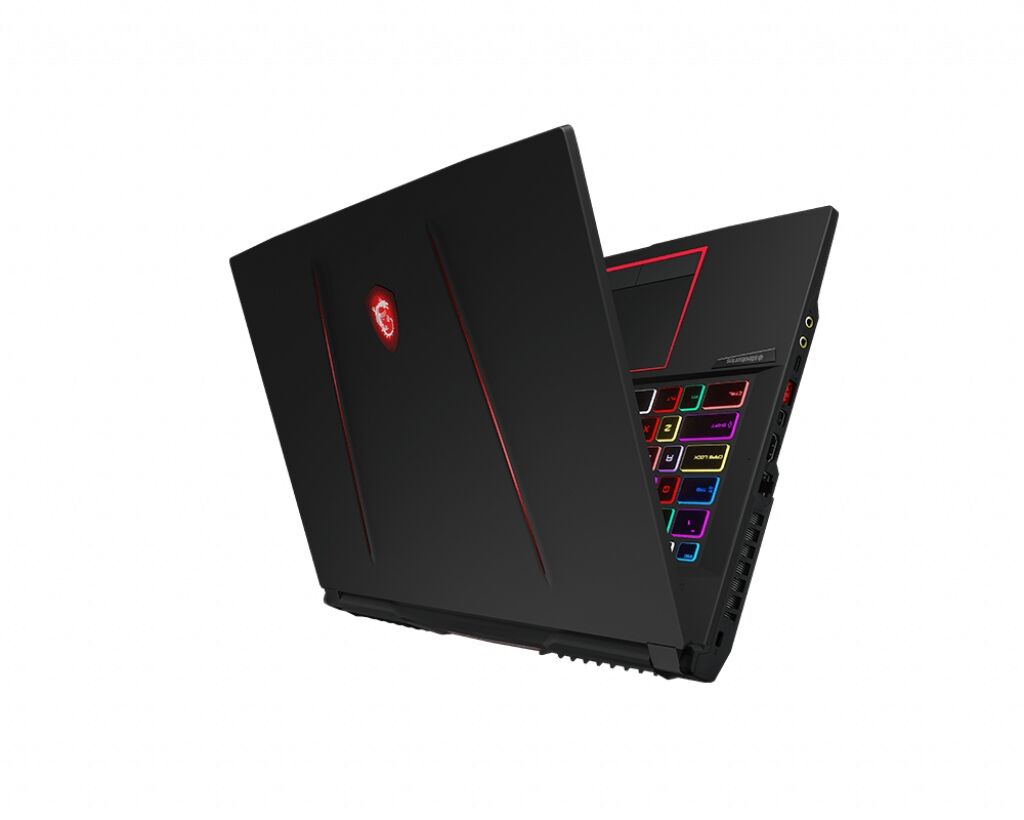
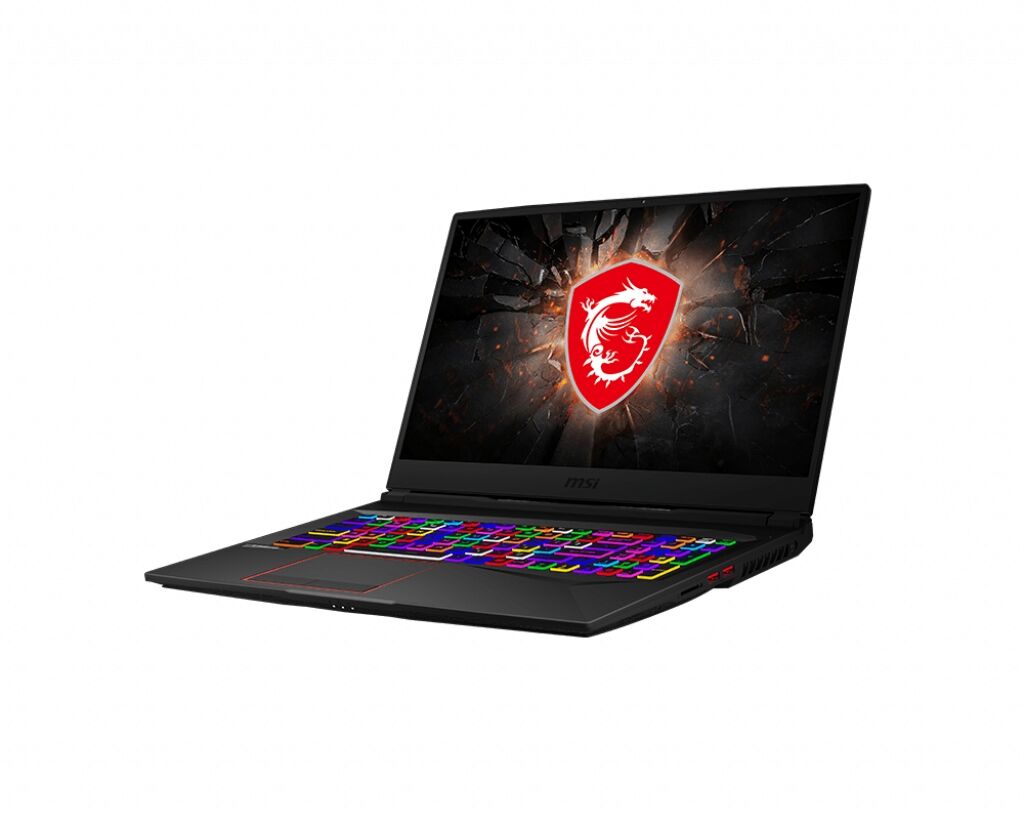
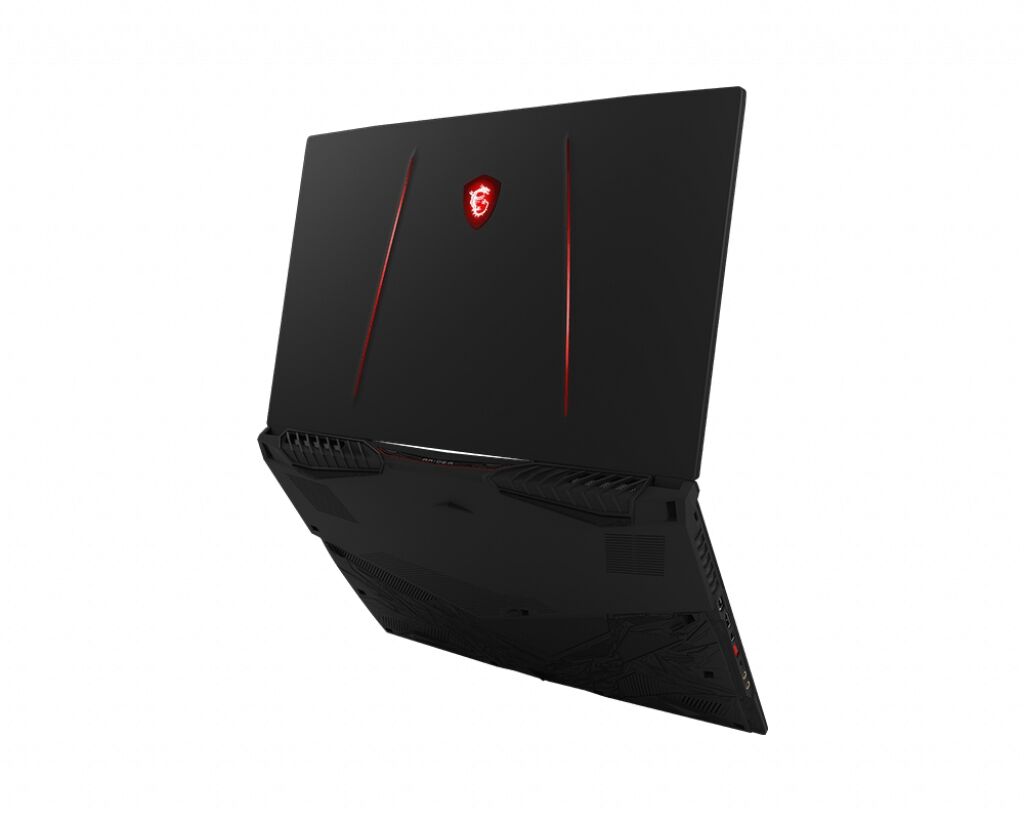
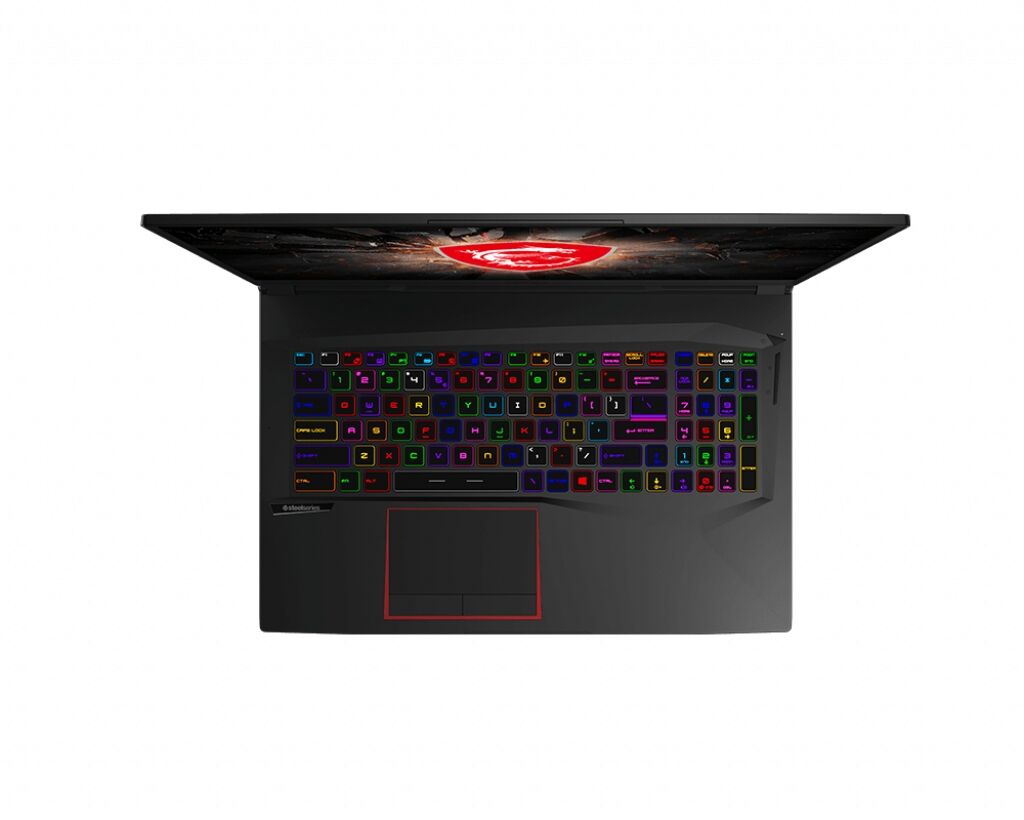
The MSI GE75 Raider 10SF-414FR gaming laptop features DDR4-SDRAM memory upgrade specifications with 2x SO-DIMM slots supporting a maximum capacity of 64 GB total RAM. Compatible memory modules operate at 3200 MHz frequency and utilize SO-DIMM form factor. Upgrade configurations allow installation of DDR4 modules to enhance system performance. The GE series gaming model specifications designate maximum memory compatibility for demanding applications and multitasking operations.
Memory Upgrade Specifications
| Specification | Value |
|---|---|
| Memory slots | 2x SO-DIMM |
| Form factor | SO-DIMM |
| Memory type | DDR4-SDRAM |
| Frequency | 3200 MHz |
| Maximum RAM | 64 GB |
| Voltage | 1.2V |
| Number of pins | 260-pin |
| Interface | PC4 |
| PC Speed Rating | PC4-3200 (PC4-25600) |
| Bandwidth | 25.6 GB/s |
| Laptop Release date | 13 October 2020 |
Additional Notes
- The MSI GE75 Raider 10SF-414FR contains 2 memory slots operating in dual-channel configuration, meaning RAM upgrades must be performed in pairs to maintain symmetrical bandwidth delivery and prevent single-channel performance degradation.
- DDR4-3200 MHz support indicates compatibility only with DDR4 modules rated at 3200 MHz or below; higher-frequency DDR4 modules will downclock to 3200 MHz, eliminating any speed advantage from premium memory purchases.
- The 64 GB capacity ceiling (32 GB per slot maximum) represents a hard architectural limit; expansion beyond this threshold requires motherboard replacement, making this the final practical upgrade ceiling for the platform.
- SO-DIMM form factor constrains module selection to laptop-specific memory; desktop DDR4 UDIMM modules are physically incompatible and cannot be mechanically inserted into available slots.
- Dual-slot architecture creates a single-point dependency where failure of one module or one slot connector renders the system unable to boot, unlike 4-slot configurations that provide redundancy.
- Warranty preservation requires verification that replacement modules meet OEM specifications before installation, as non-approved memory may trigger support denial despite technical compatibility.