MSI Gaming GE75 Raider 10SFS-403XFR RAM upgrade specifications
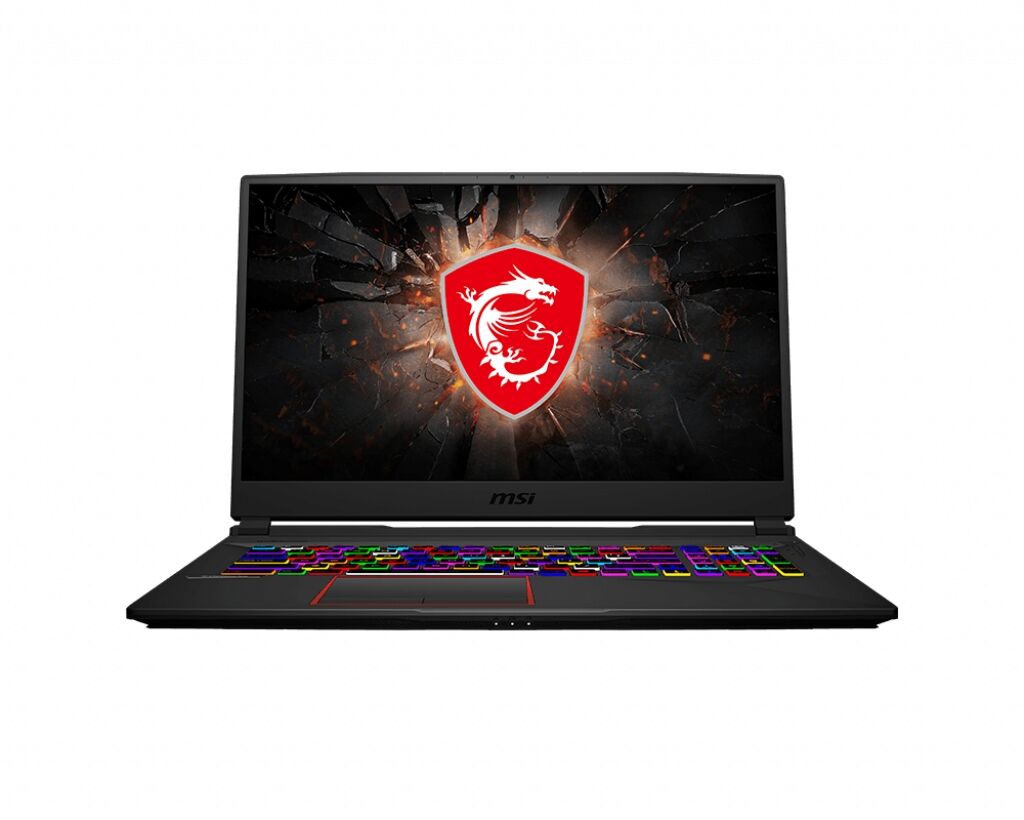
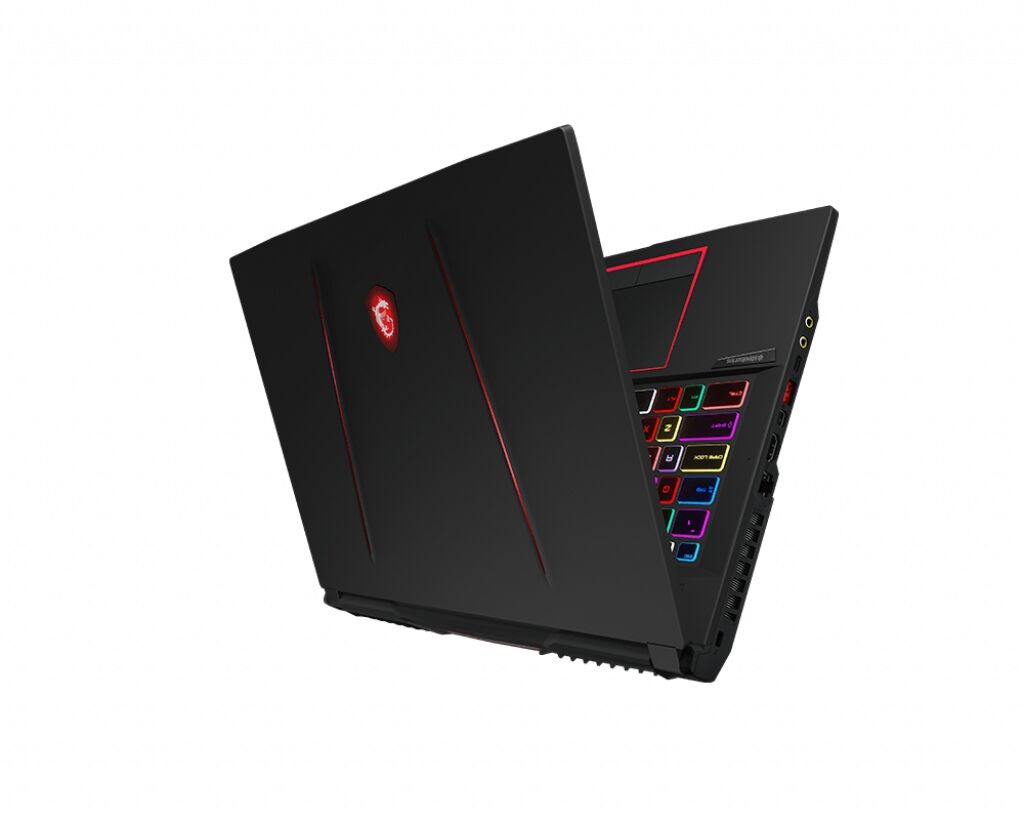
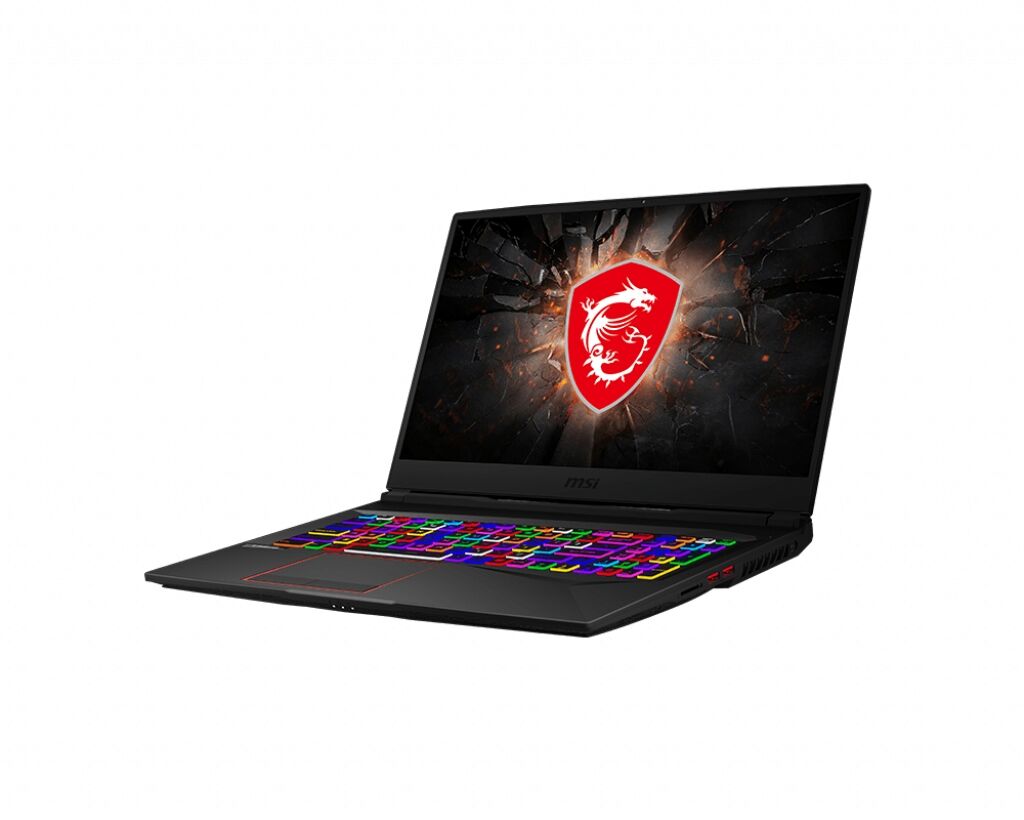
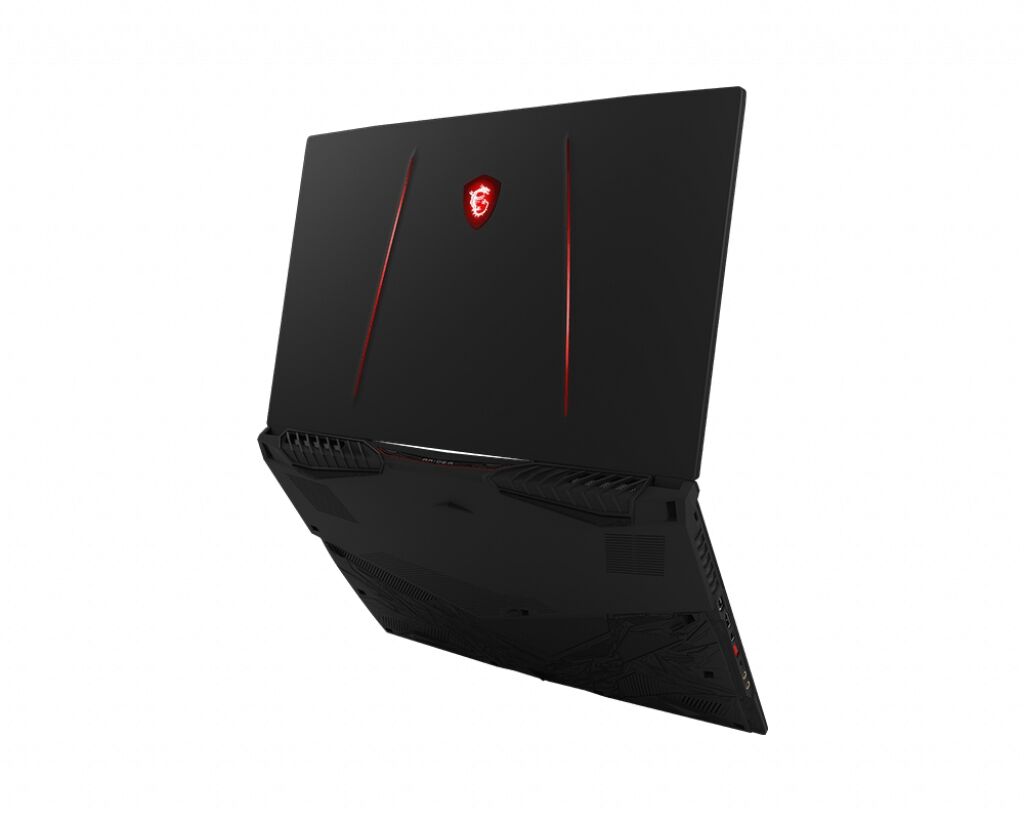
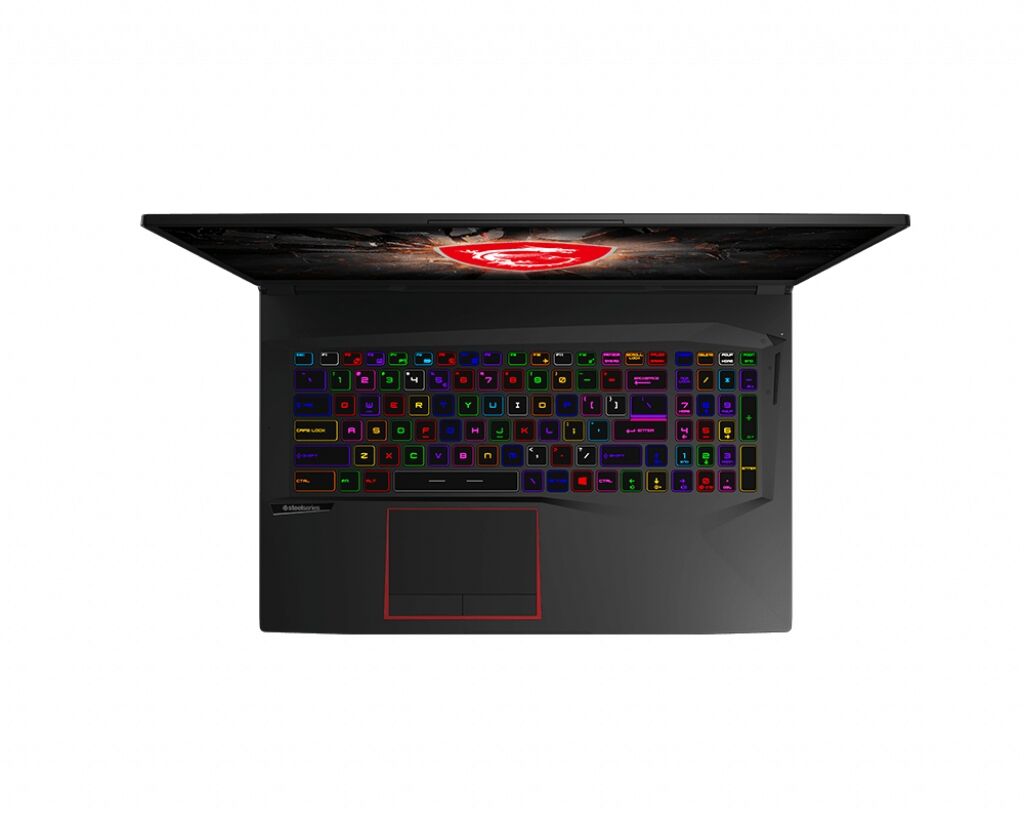
MSI GE75 Raider 10SFS-403XFR gaming laptop supports DDR4-SDRAM memory upgrades with two SO-DIMM slots. Specifications allow maximum RAM capacity of 64 GB total, operating at 3200 MHz frequency. Compatible memory upgrades utilize SO-DIMM form factor. This gaming series model accommodates dual-channel memory configurations for enhanced performance in the GE family lineup.
Memory Upgrade Specifications
| Specification | Value |
|---|---|
| Memory slots | 2x SO-DIMM |
| Form factor | SO-DIMM |
| Memory type | DDR4-SDRAM |
| Frequency | 3200 MHz |
| Maximum RAM | 64 GB |
| Voltage | 1.2V |
| Number of pins | 260-pin |
| Interface | PC4 |
| PC Speed Rating | PC4-3200 (PC4-25600) |
| Bandwidth | 25.6 GB/s |
| Laptop Release date | 13 October 2020 |
Additional Notes
- The MSI GE75 Raider 10SFS-403XFR accommodates a maximum of 64 GB across 2 slots, establishing a 32 GB per-slot ceiling that restricts single-module density upgrades to commercially standard capacities.
- DDR4-3200 MHz specification requires replacement modules to match this exact frequency; incompatible timings or lower-speed variants will either fail to initialize or force automatic downclocking, reducing effective bandwidth by up to 20 percent in memory-intensive gaming workloads.
- SO-DIMM form factor confirmation indicates this is a mobile platform; desktop DDR4 UDIMM modules are physically incompatible and cannot be forcibly adapted without permanent damage to the motherboard slot connectors.
- Two-slot architecture means full capacity upgrades require replacing both existing modules simultaneously; single-module additions cannot exceed the populated slot's current configuration without voiding the performance-matching requirement for dual-channel operation.
- Warranty retention demands validated DDR4 SO-DIMM modules rated for 3200 MHz CAS latency specifications matching or exceeding OEM requirements; third-party modules lacking official compatibility documentation may trigger boot failures that complicate warranty service eligibility.
- Memory bandwidth saturation potential exists with 10th-generation Intel processors paired to this DDR4 tier; the 64 GB ceiling prevents future mitigation of bandwidth constraints through higher-capacity modules if GPU or CPU upgrades become available in successor hardware platforms.