MSI Gaming GE75 Raider 10SGS-240FR RAM upgrade specifications

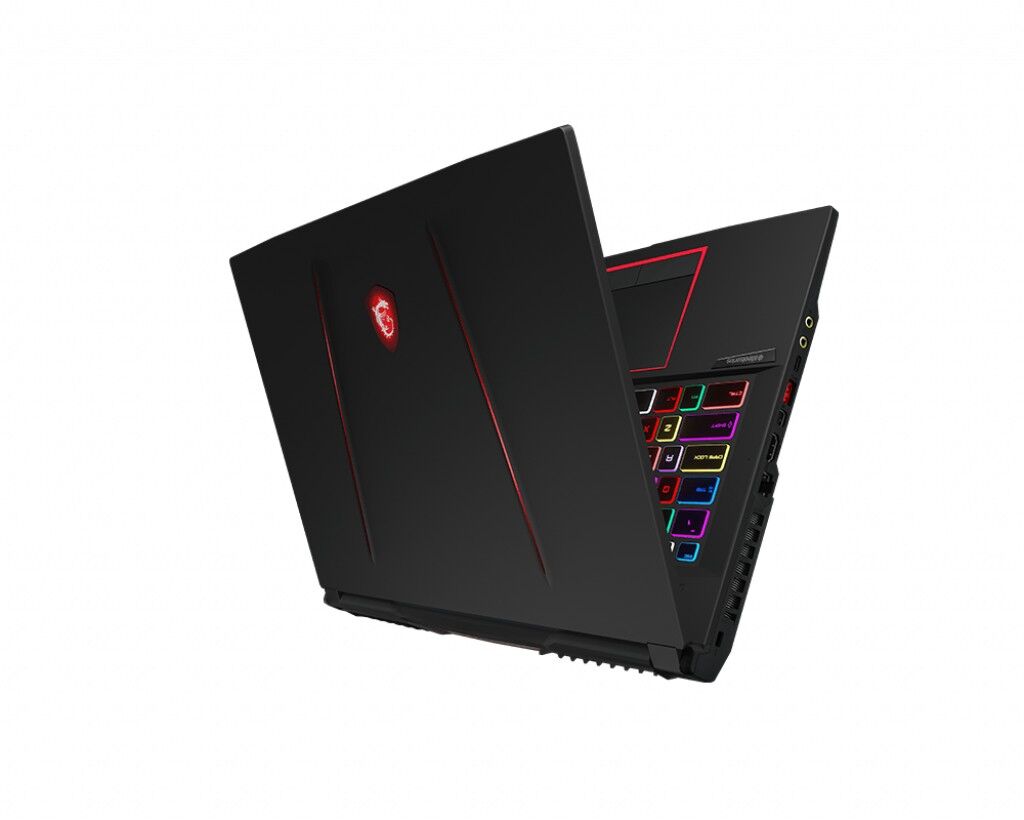

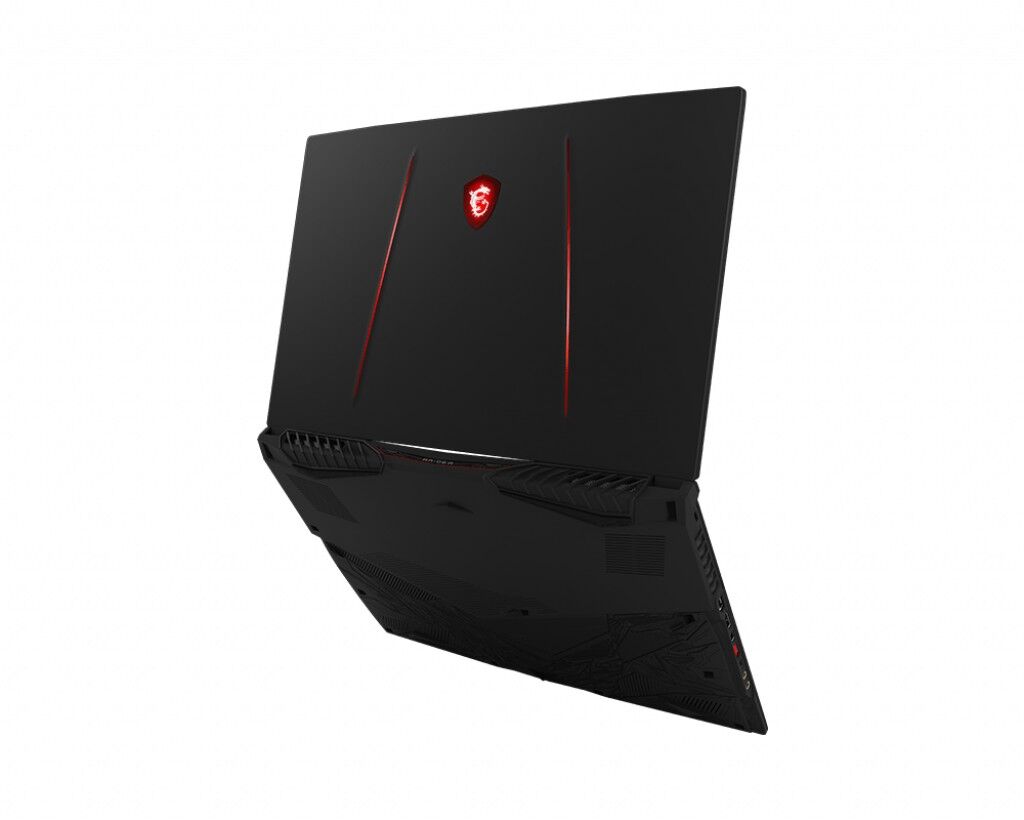

MSI GE75 Raider 10SGS-240FR Gaming series laptop supports DDR4-SDRAM memory upgrades through two SO-DIMM slots. Maximum compatible RAM capacity reaches 64 GB total. Memory specifications include 3200 MHz frequency for optimal performance. Current upgrade slots accommodate SO-DIMM form factor modules. Specifications define maximum memory configuration available for this MSI Gaming GE series model.
Memory Upgrade Specifications
| Specification | Value |
|---|---|
| Memory slots | 2x SO-DIMM |
| Form factor | SO-DIMM |
| Memory type | DDR4-SDRAM |
| Frequency | 3200 MHz |
| Maximum RAM | 64 GB |
| Voltage | 1.2V |
| Number of pins | 260-pin |
| Interface | PC4 |
| PC Speed Rating | PC4-3200 (PC4-25600) |
| Bandwidth | 25.6 GB/s |
| Laptop Release date | 22 May 2020 |
Additional Notes
- The 3200 MHz frequency requires tenth-generation Intel Core processors to operate at full speed, as earlier generations default to 2933 MHz or lower specifications.
- SO-DIMM installation in the MSI GE75 Raider 10SGS-240FR requires access through the bottom panel, which typically involves removing multiple screws and potentially breaking warranty seals depending on regional regulations.
- The 64 GB maximum capacity necessitates 2 modules of 32 GB each, limiting future expansion options once this threshold is reached.
- DDR4-3200 modules must support JEDEC standards or XMP 2.0 profiles to achieve advertised speeds, as non-compliant modules may downclock to 2666 MHz.
- Dual-channel configuration through both SO-DIMM slots provides 51.2 GB/s theoretical bandwidth, critical for GPU performance in memory-intensive gaming scenarios.
- Mixing modules with different latencies forces the memory controller to operate at the slower timing specification, potentially reducing performance below single-speed ratings.
- The 260-pin SO-DIMM standard physically prevents installation of desktop DIMM modules, eliminating cross-compatibility with standard ATX memory.
- Operating voltage for DDR4-3200 SO-DIMM modules typically ranges between 1.2V and 1.35V, with higher voltages potentially triggering thermal throttling in confined laptop chassis.
- Single-channel operation with one populated slot reduces memory bandwidth by approximately 50%, creating bottlenecks in multi-threaded applications and integrated graphics workloads.
- Non-ECC unbuffered modules are required, as server-grade ECC SO-DIMMs lack compatibility with consumer mobile chipsets.