MSI Gaming GE75 Raider 8RE RAM upgrade specifications

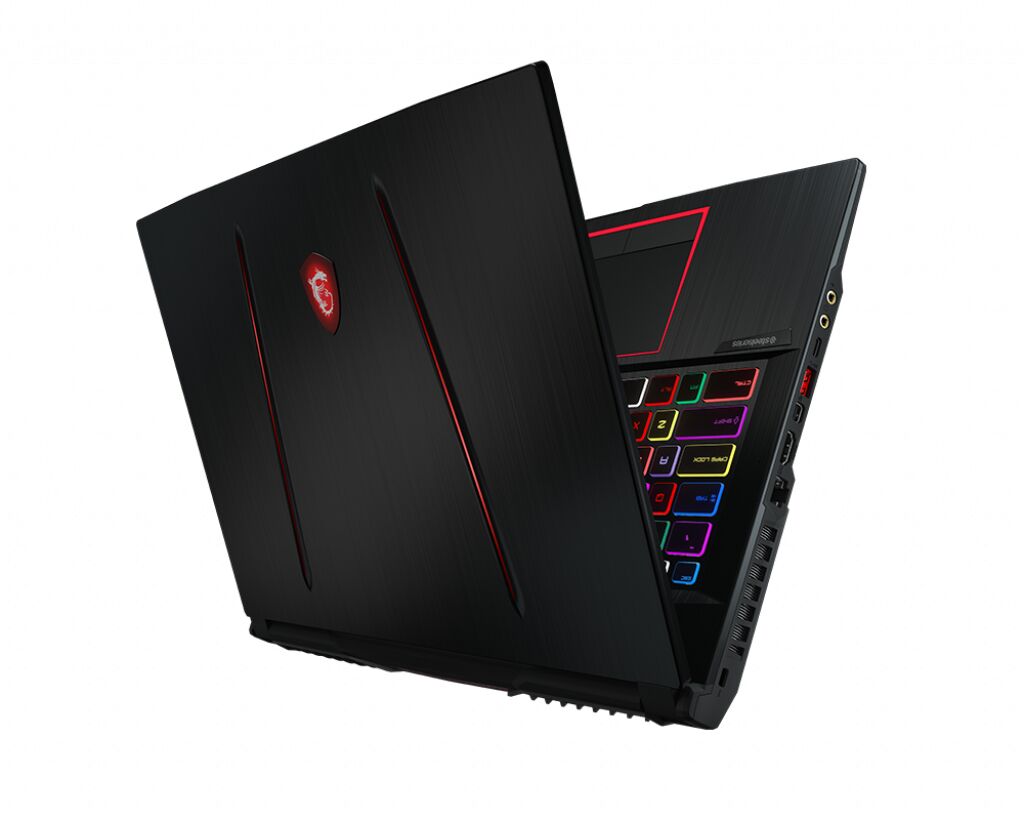
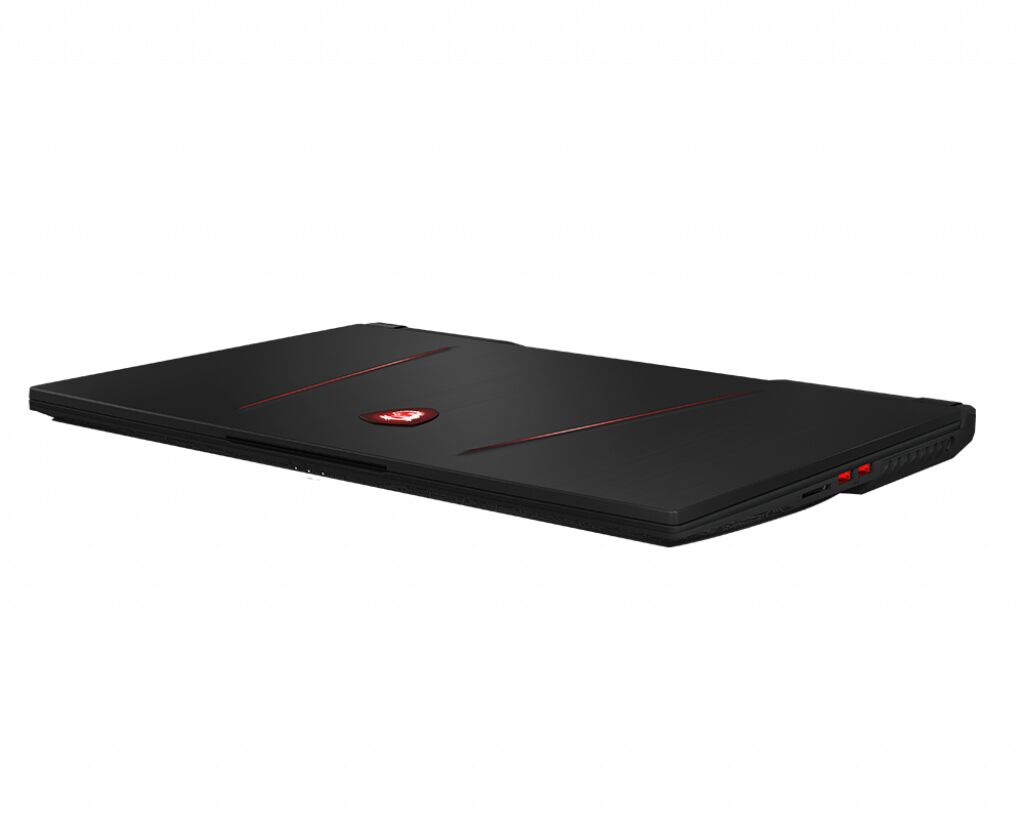
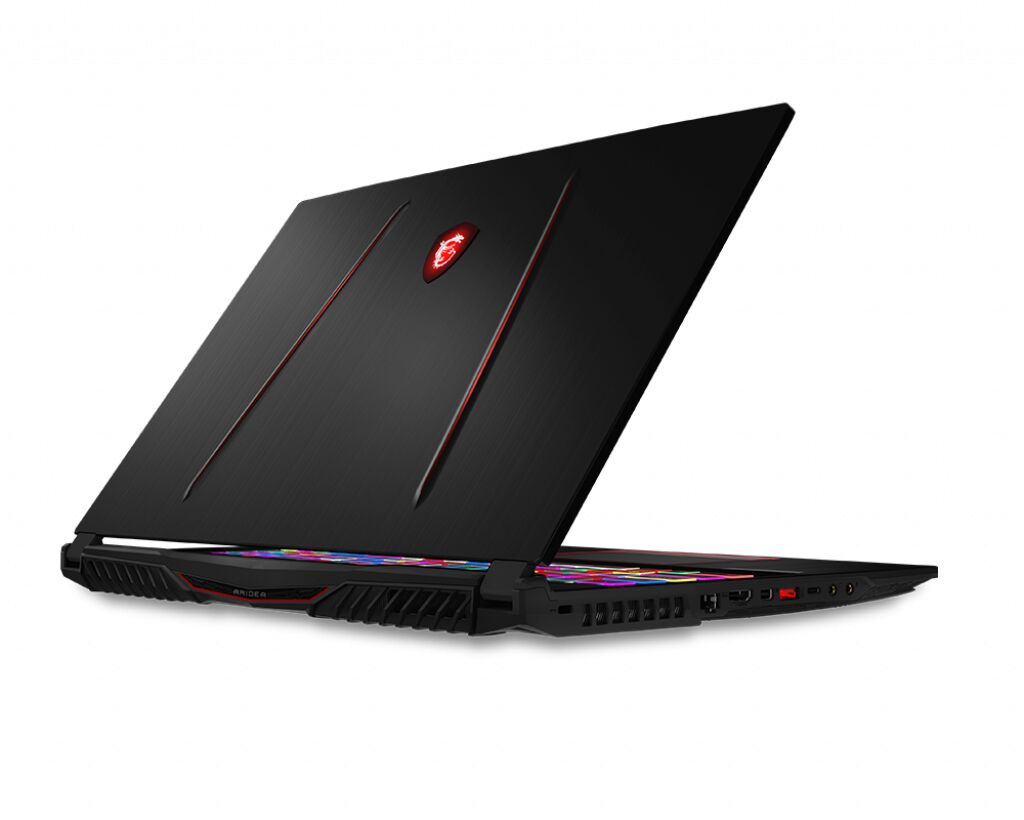
The MSI GE75 Raider 8RE gaming laptop features DDR4-SDRAM memory upgrade capabilities with 2x SO-DIMM slots supporting a maximum RAM capacity of 21 GB. The memory specifications indicate DDR4 modules operating at 2666 MHz frequency. Compatible upgrades utilize the SO-DIMM form factor standard for laptop memory modules. The GE series gaming platform accommodates memory expansion through dual slots, enabling users to increase system RAM for enhanced multitasking and performance requirements.
Memory Upgrade Specifications
| Specification | Value |
|---|---|
| Memory slots | 2x SO-DIMM |
| Form factor | SO-DIMM |
| Memory type | DDR4-SDRAM |
| Frequency | 2666 MHz |
| Maximum RAM | 21 GB |
| Voltage | 1.2V |
| Number of pins | 260-pin |
| Interface | PC4 |
| PC Speed Rating | PC4-2666 (PC4-21328) |
| Bandwidth | 21.3 GB/s |
| Laptop Release date | 12 May 2020 |
Additional Notes
- The 21 GB maximum capacity indicates a non-standard configuration combining modules of different sizes, such as a 16 GB module paired with a 4 GB or 8 GB module, rather than the typical matched dual-channel setup.
- Running mismatched module sizes forces the memory controller to operate in asymmetric dual-channel mode, where only the matched portion of capacity benefits from full dual-channel bandwidth while the excess operates in single-channel mode.
- DDR4-2666 SO-DIMM modules intended for this MSI GE75 Raider 8RE must conform to the JEDEC standard voltage specification of 1.2V, as gaming laptops typically lack BIOS options to adjust memory voltage for stability with non-standard modules.
- The 2-slot SO-DIMM configuration requires complete removal of existing modules to install higher-capacity replacements, preventing incremental upgrades and necessitating planning for final target capacity before purchase.
- Actual memory bandwidth availability depends on whether the CPU supports dual-channel operation at 2666 MHz natively or requires lower speed bins, which varies by the specific 8th generation Intel processor installed in this model variant.
- Installing modules faster than 2666 MHz results in automatic downclocking to this maximum supported frequency, wasting the cost premium of higher-speed kits without performance benefit.
- The SO-DIMM form factor physically prevents installation of standard desktop DIMM modules, which are both electrically incompatible and too large for laptop memory slots.
- Gaming workloads generating sustained memory bandwidth demand may experience throttling if the asymmetric configuration forces portions of active data into the single-channel section of an unbalanced setup.
- Thermal constraints within the laptop chassis require memory modules with standard heat spreader profiles, as low-profile or bare PCB designs may cause overheating under sustained gaming loads, while oversized enthusiast heat spreaders create physical clearance issues.
- Warranty preservation typically requires using modules that meet JEDEC specifications without XMP profiles that could be interpreted as overclocking, though manufacturer policies vary regarding user-installed memory.