MSI Gaming GE75 Raider 8SF RAM upgrade specifications
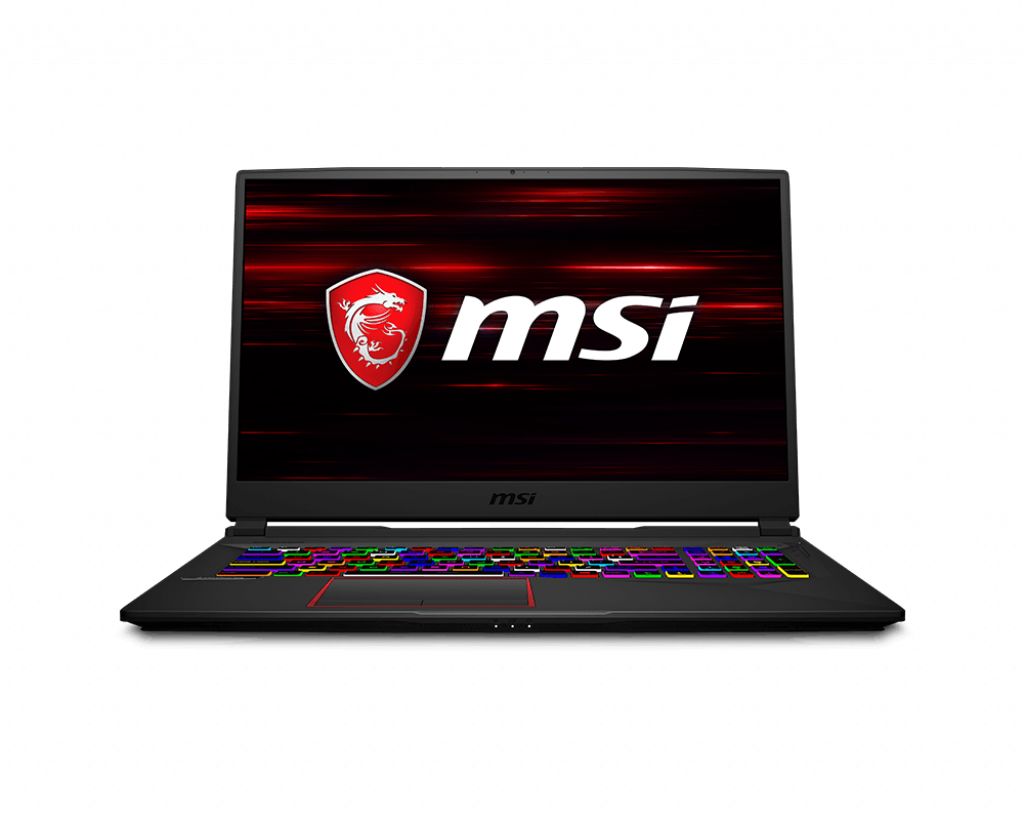
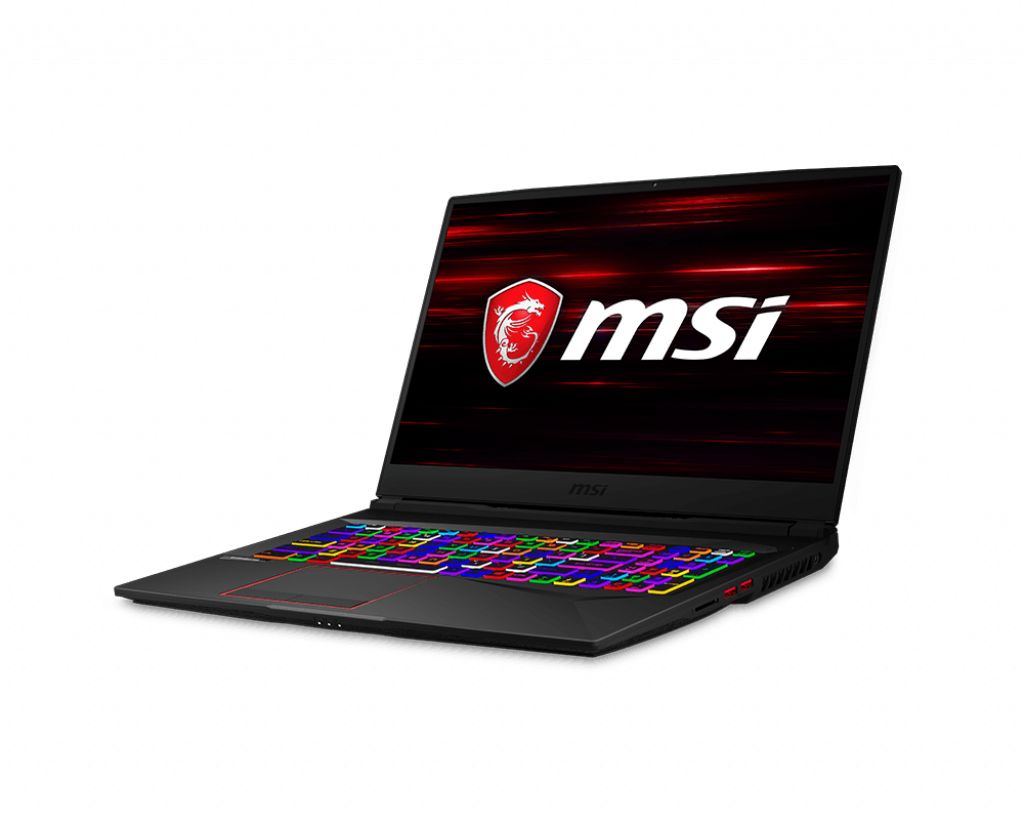
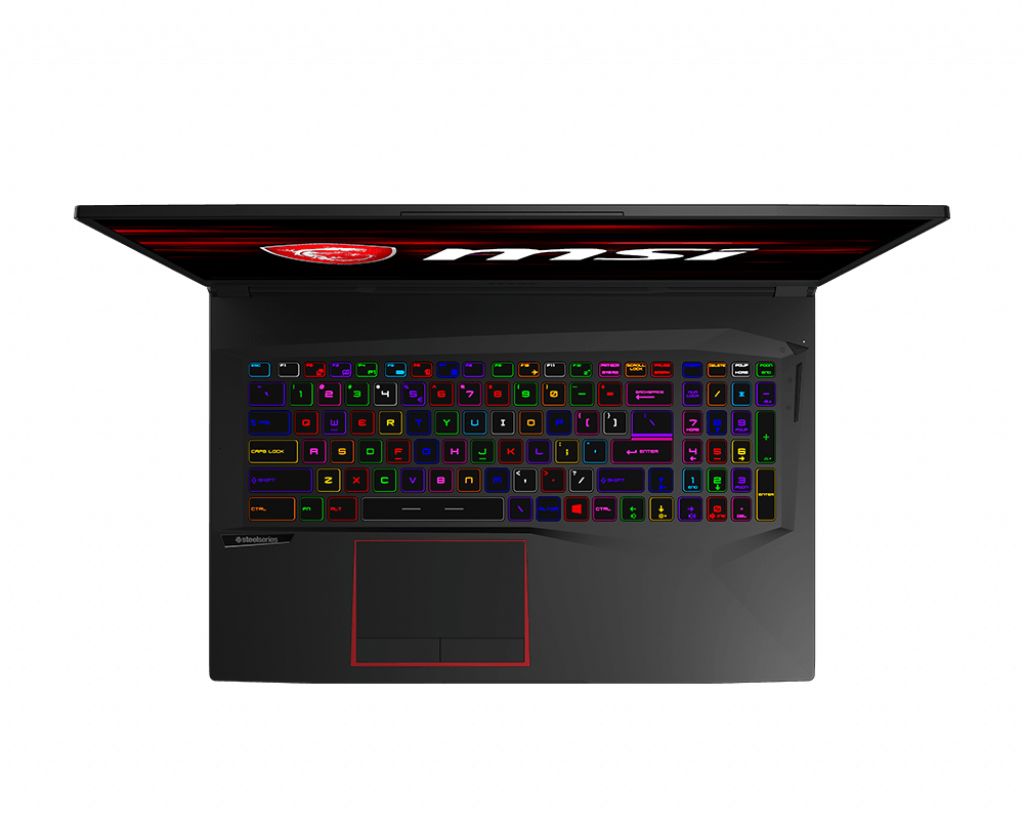
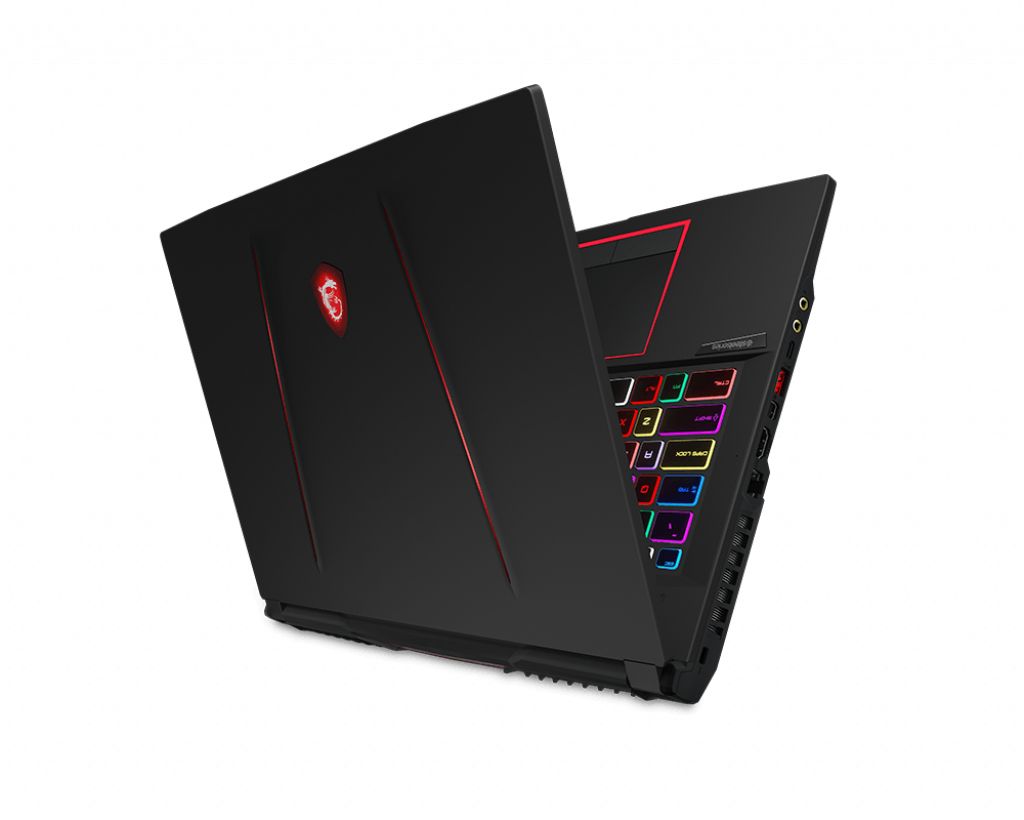
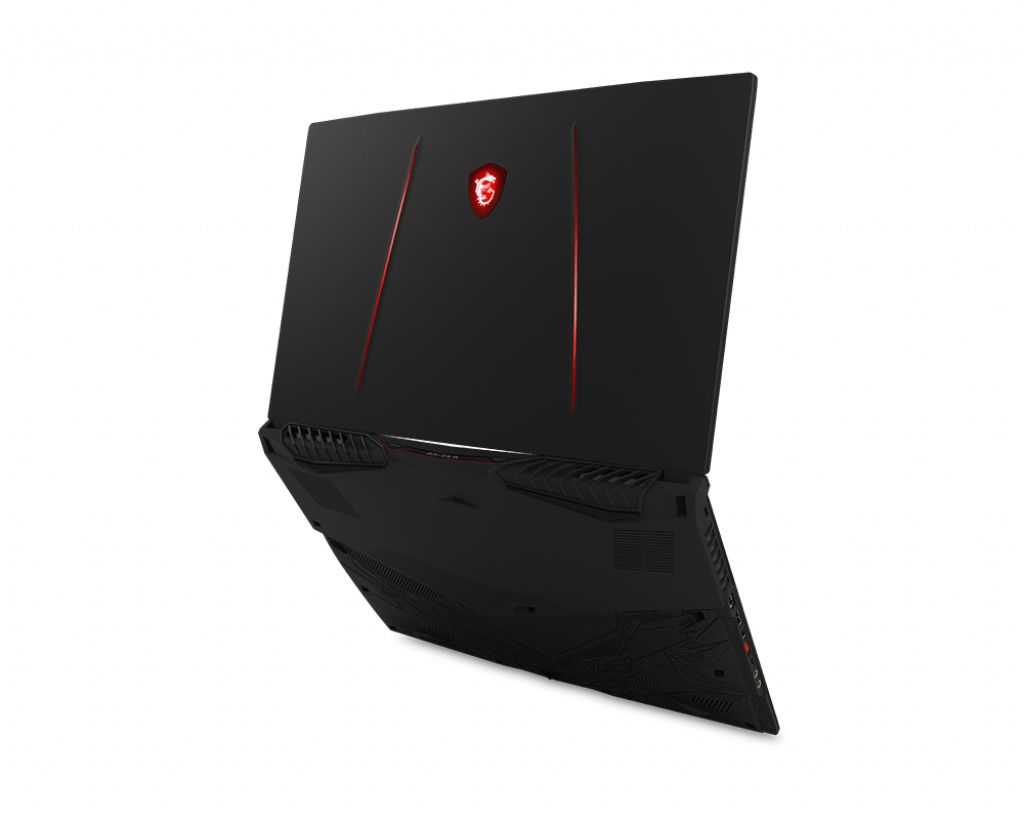
MSI GE75 Raider 8SF gaming laptop features DDR4-SDRAM memory upgrade specifications with 2x SO-DIMM slots supporting maximum RAM capacity of 32 GB. Compatible memory modules operate at 2666 MHz frequency. Specifications indicate SO-DIMM form factor for memory upgrades on this GE series model. Standard configuration allows dual-slot memory expansion up to specified maximum capacity for enhanced system performance.
Memory Upgrade Specifications
| Specification | Value |
|---|---|
| Memory slots | 2x SO-DIMM |
| Form factor | SO-DIMM |
| Memory type | DDR4-SDRAM |
| Frequency | 2666 MHz |
| Maximum RAM | 32 GB |
| Voltage | 1.2V |
| Number of pins | 260-pin |
| Interface | PC4 |
| PC Speed Rating | PC4-2666 (PC4-21328) |
| Bandwidth | 21.3 GB/s |
| Laptop Release date | 29 April 2019 |
Additional Notes
- The MSI GE75 Raider 8SF utilizes SO-DIMM form factor modules, which require physical access through the bottom panel rather than a dedicated memory compartment found in some gaming laptops.
- The 32 GB maximum capacity constraint stems from chipset limitations typical of 8th generation Intel mobile platforms, restricting individual module density to 16 GB per slot.
- DDR4-2666 represents the JEDEC standard speed for this platform, meaning faster modules at 3200 MHz will downclock to 2666 MHz without performance benefit.
- The dual-channel configuration requires matched pairs for optimal bandwidth, as asymmetric capacities or mixed speeds will force both modules to operate at the lowest common denominator.
- Thermal considerations apply to high-density modules in gaming chassis, where 16 GB single-rank modules typically generate less heat than dual-rank equivalents under sustained workloads.
- Non-ECC unbuffered modules are mandatory for consumer mobile platforms, as registered or error-correcting memory will cause POST failures.
- The 260-pin SO-DIMM standard eliminates compatibility with desktop 288-pin modules despite identical DDR4 technology.
- Voltage specification locks at 1.2V for DDR4 JEDEC compliance, preventing the use of low-voltage or overclocking-oriented modules designed for 1.35V operation.
- CAS latency variations between CL17, CL19, and CL22 modules at 2666 MHz produce negligible real-world differences once the memory controller enforces standardized timings.
- Single 32 GB upgrades require purchasing a matched 16 GB pair simultaneously, as mixing manufacturing batches can introduce stability issues even with identical specifications.