MSI Gaming GE75 Raider 10SFS-412FR RAM upgrade specifications
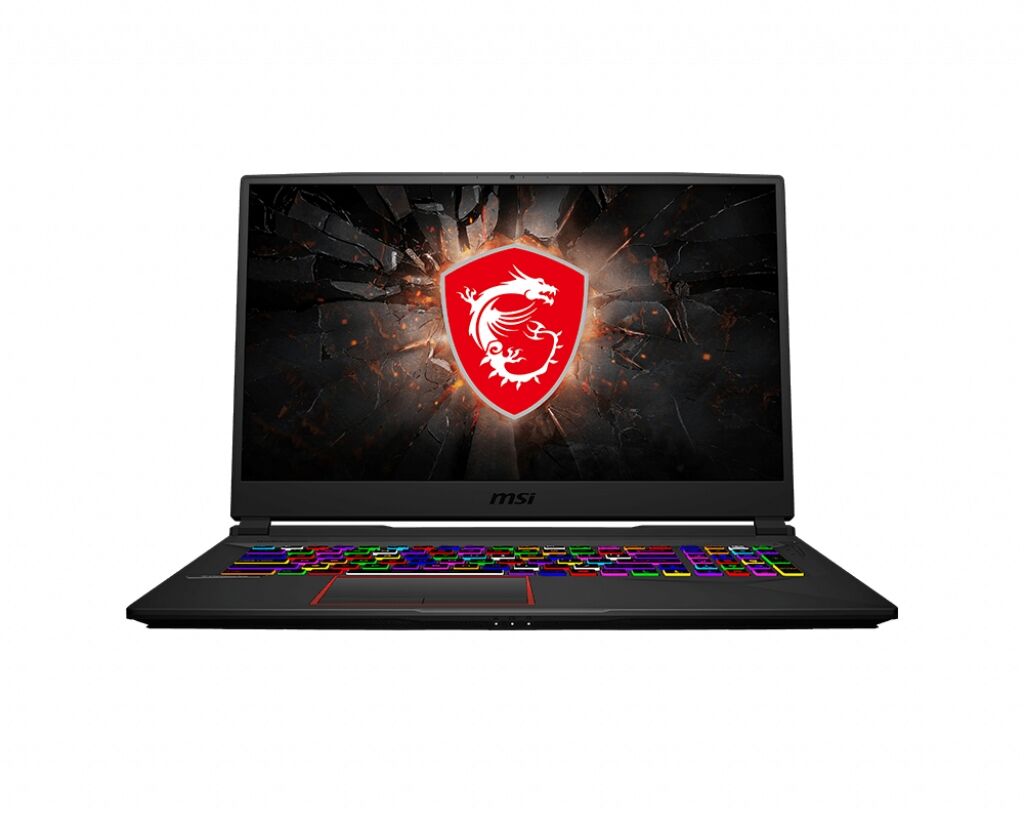
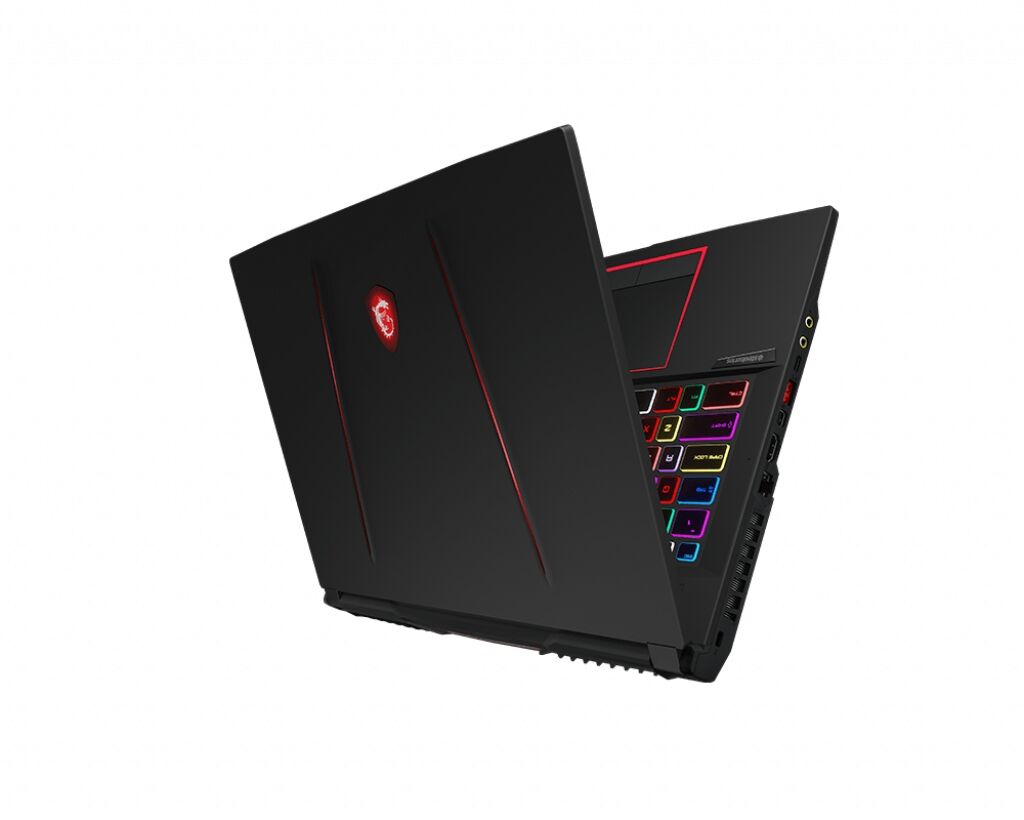

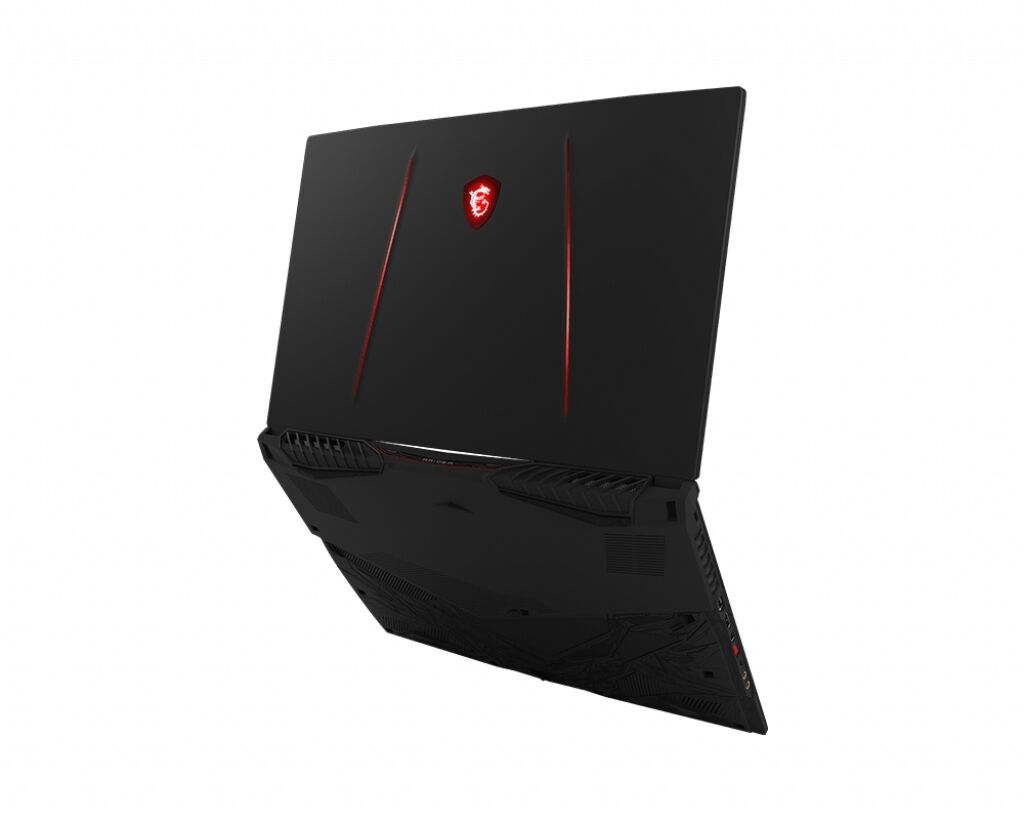
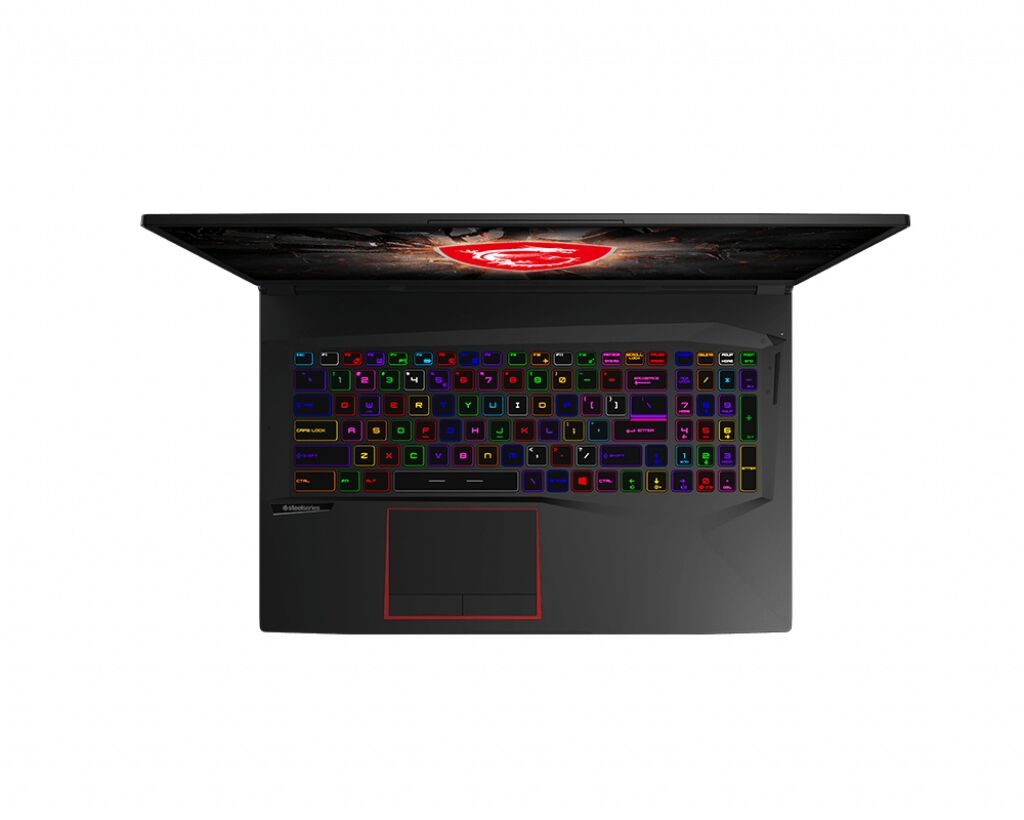
The MSI GE75 Raider 10SFS-412FR gaming laptop features DDR4-SDRAM memory specifications compatible with SO-DIMM form factor modules. The system contains 2 memory slots available for upgrade. Maximum RAM capacity reaches 64 GB total. Compatible memory modules operate at 3200 MHz frequency. The GE series gaming laptop supports DDR4 memory upgrades to expand multitasking and performance capabilities. Existing memory can be supplemented or replaced with compatible DDR4-SDRAM modules adhering to SO-DIMM specifications and 3200 MHz frequency requirements.
Memory Upgrade Specifications
| Specification | Value |
|---|---|
| Memory slots | 2x SO-DIMM |
| Form factor | SO-DIMM |
| Memory type | DDR4-SDRAM |
| Frequency | 3200 MHz |
| Maximum RAM | 64 GB |
| Voltage | 1.2V |
| Number of pins | 260-pin |
| Interface | PC4 |
| PC Speed Rating | PC4-3200 (PC4-25600) |
| Bandwidth | 25.6 GB/s |
| Laptop Release date | 13 October 2020 |
Additional Notes
- Dual channel architecture requires matching module capacities and timings across both slots to maximize memory bandwidth for high frame rate gaming.
- The absence of soldered memory on the MSI GE75 Raider 10SFS-412FR motherboard allows for total replacement of factory modules rather than relying on asymmetrical configurations.
- Reaching the maximum 64 GB capacity necessitates the removal of all existing hardware to accommodate 2 32 GB modules.
- The 3200 MHz frequency remains subject to the processor integrated memory controller limitations which may downclock speeds depending on the specific CPU generation installed.
- Physical access to the SO DIMM slots requires the removal of the entire bottom chassis panel which involves breaking a factory seal sticker in certain regions.
- Low density modules are preferred to ensure compatibility with the system chipset and to prevent boot failures associated with high density memory ranks.
- Thermal overhead increases within the chassis when high capacity 32 GB modules are under sustained heavy load due to increased power draw and 1.2V heat dissipation.
- Latency timings should match the JEDEC standard to ensure plug and play operation without the need for manual BIOS overclocking or XMP profile adjustments.