MSI Gaming GE75 Raider 10SFS-278FR RAM upgrade specifications

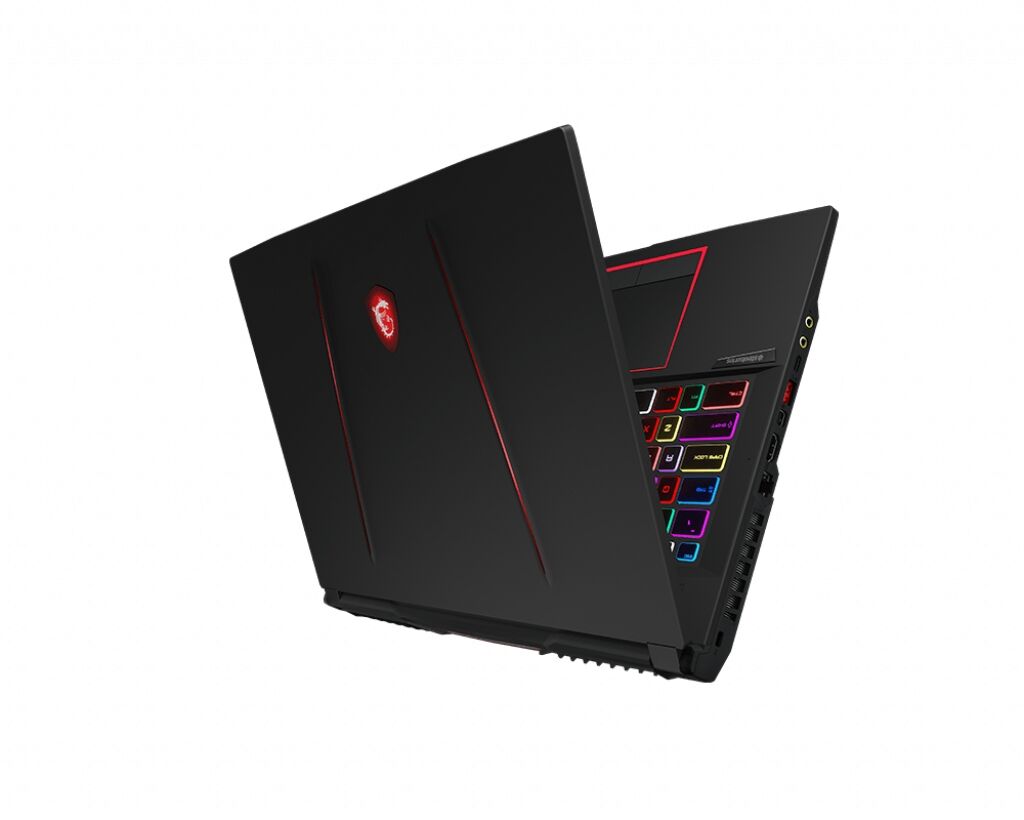

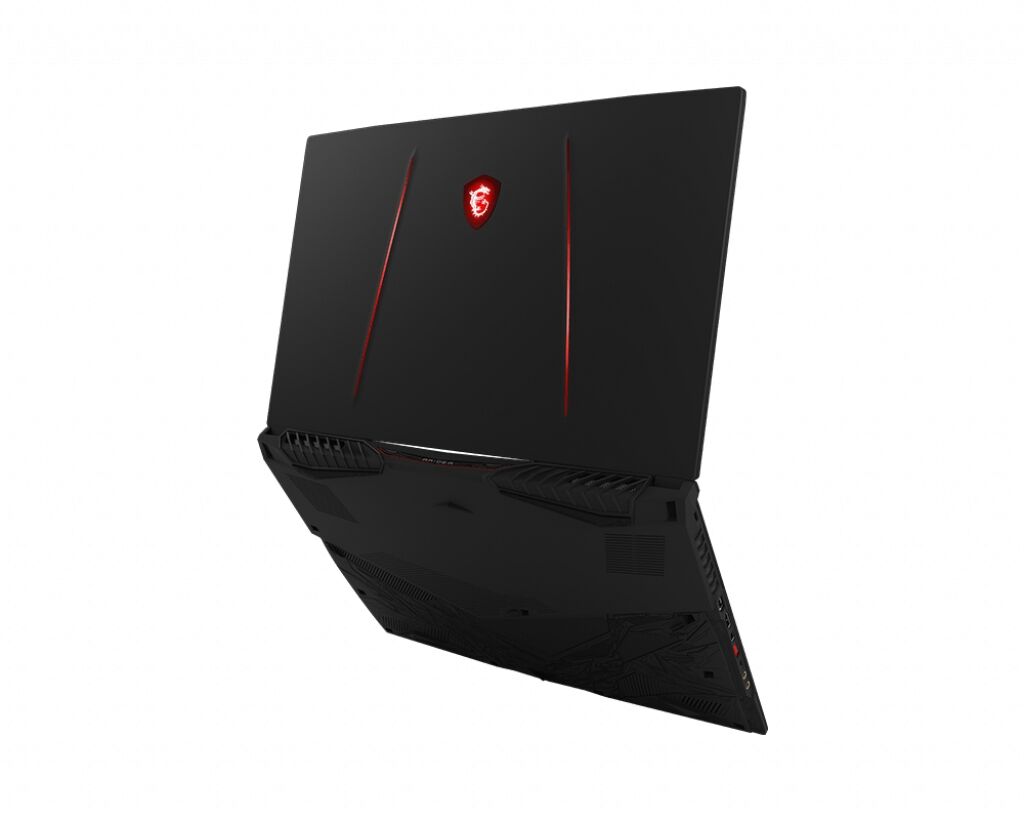
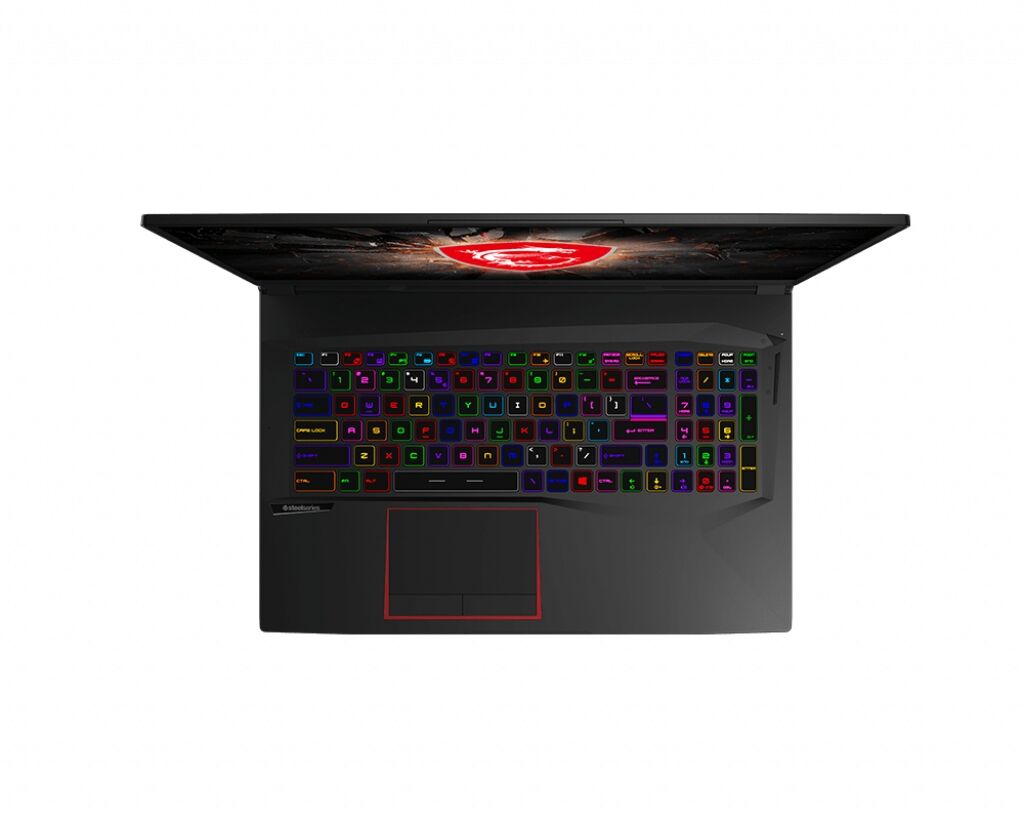
MSI GE75 Raider 10SFS-278FR gaming laptop memory upgrade specifications include two SO-DIMM slots supporting DDR4-SDRAM memory at 3200 MHz frequency. The GE series model accommodates maximum RAM capacity of 64 GB through compatible SO-DIMM modules. Upgrade options allow users to expand memory configuration in the Gaming family laptop by installing additional DDR4-SDRAM memory into available slots, with specifications supporting up to 64 GB total capacity for enhanced performance.
Memory Upgrade Specifications
| Specification | Value |
|---|---|
| Memory slots | 2x SO-DIMM |
| Form factor | SO-DIMM |
| Memory type | DDR4-SDRAM |
| Frequency | 3200 MHz |
| Maximum RAM | 64 GB |
| Voltage | 1.2V |
| Number of pins | 260-pin |
| Interface | PC4 |
| PC Speed Rating | PC4-3200 (PC4-25600) |
| Bandwidth | 25.6 GB/s |
| Laptop Release date | 13 October 2020 |
Additional Notes
- The MSI GE75 Raider 10SFS-278FR contains 2 memory slots with a combined capacity ceiling of 64 GB, requiring matched 32 GB SO-DIMM modules to reach maximum capacity.
- DDR4-3200 MHz represents the rated frequency ceiling; actual performance depends on Intel 10th-generation processor support, which typically negotiates lower effective speeds under load due to memory controller limitations.
- SO-DIMM form factor necessitates replacement rather than addition if the device ships with a single pre-populated slot, as both slots must be occupied to enable dual-channel operation and achieve rated bandwidth.
- Warranty implications exist with third-party memory installation; MSI service centers may classify RAM upgrades outside factory specifications as customer-removable components, but verification against regional warranty terms remains necessary before purchase.
- 32 GB SO-DIMM modules remain relatively scarce in retail channels compared to standard DIMM equivalents, potentially creating longer lead times and regional price premiums for capacity-focused upgrades.
- Memory bandwidth saturation occurs at approximately 51.2 GB/s under dual-channel operation; gaming workloads typically consume 15-25 GB/s, leaving sufficient headroom unless paired with discrete GPU compute tasks or content creation workflows.
- Thermal constraints apply to SO-DIMM layouts; gaming-intensive sessions may cause slot-adjacent circuitry to reach 65-75°C, affecting module longevity if passive heat-spreader designs lack adequate thermal coupling.