MSI Gaming Raider GE68 HX 14VGG-260FR RAM upgrade specifications



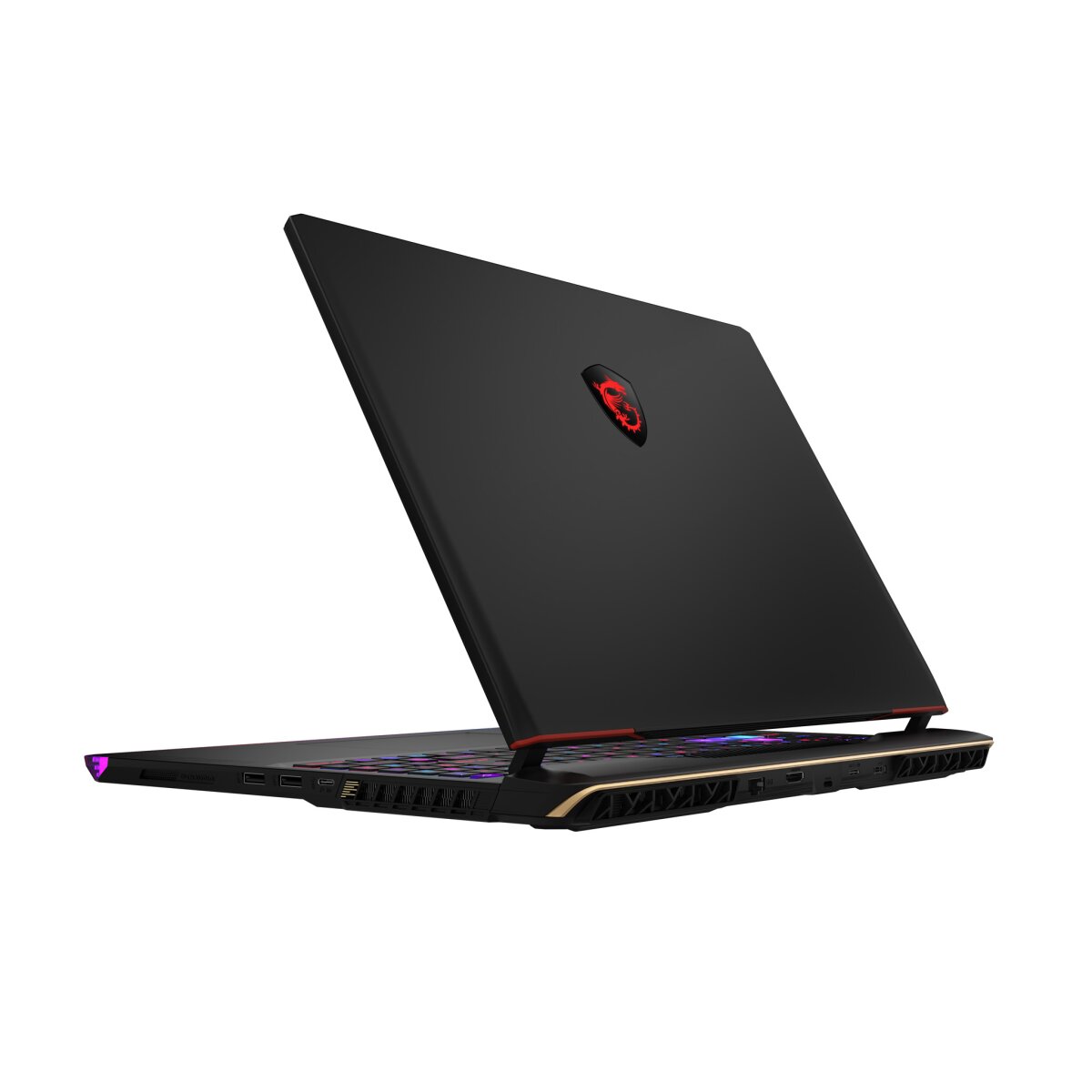
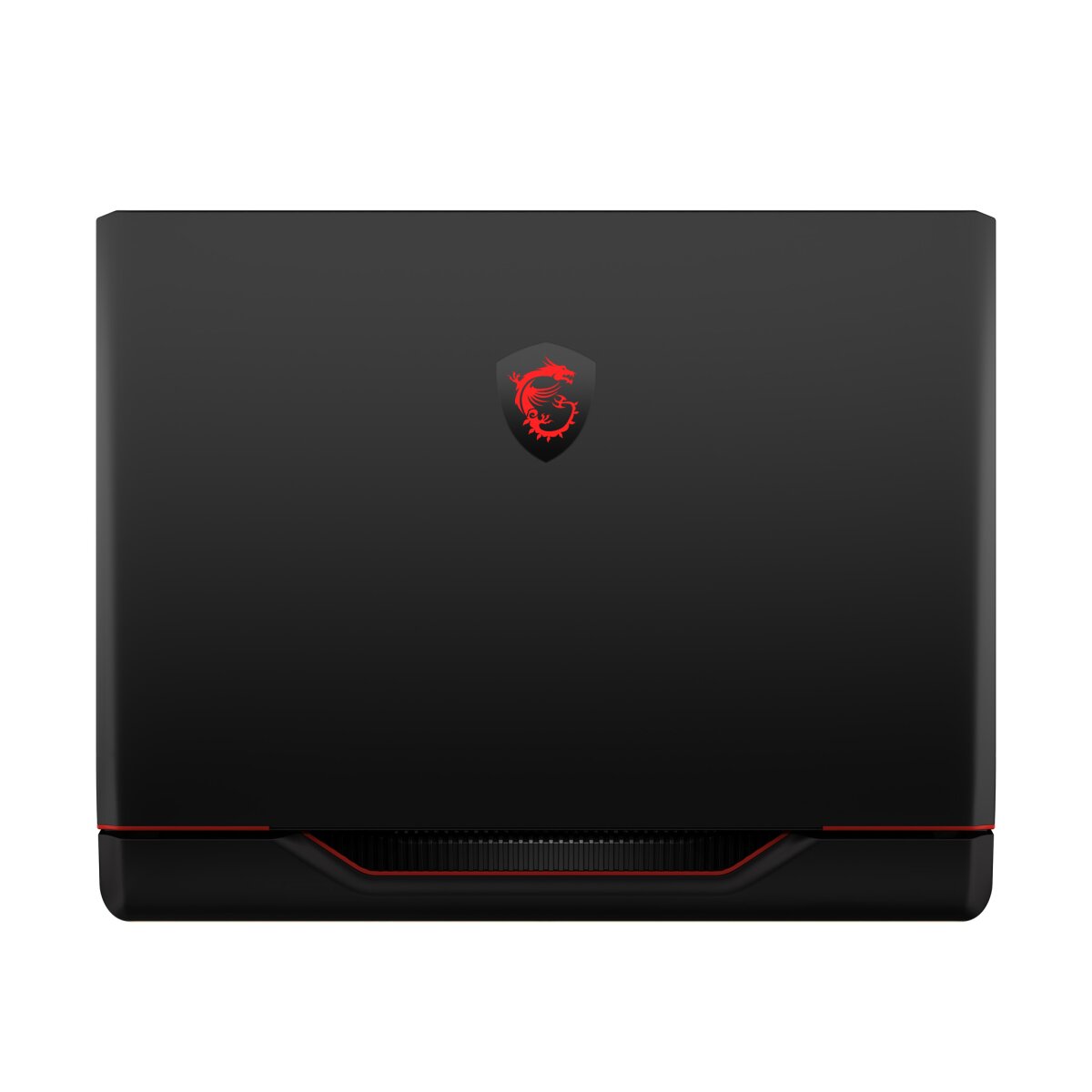
MSI Raider GE68 HX 14VGG-260FR gaming laptop features DDR5-SDRAM memory upgrade specifications with two SO-DIMM slots supporting maximum capacity of 64 GB RAM. Compatible memory modules operate at 5600 MHz frequency. Upgrade options enable users to expand memory configuration through available slot capacity. Specifications outline DDR5 SO-DIMM form factor compatibility for this GE series model.
Memory Upgrade Specifications
| Specification | Value |
|---|---|
| Memory slots | 2x SO-DIMM |
| Form factor | SO-DIMM |
| Memory type | DDR5-SDRAM |
| Frequency | 5600 MHz |
| Maximum RAM | 64 GB |
| Voltage | 1.1V |
| Number of pins | 262-pin |
| Interface | PC5 |
| PC Speed Rating | PC5-5600 (PC5-44800) |
| Bandwidth | 44.8 GB/s |
| Laptop Release date | 08 January 2024 |
Additional Notes
- The MSI Raider GE68 HX 14VGG-260FR supports dual-channel memory architecture through its 2 SO-DIMM configuration, enabling symmetric bandwidth distribution when matched modules are installed.
- DDR5-5600 represents the JEDEC base specification for this generation, providing 44.8 GB/s theoretical bandwidth per channel and 89.6 GB/s in dual-channel operation.
- The 64 GB capacity ceiling requires 32 GB modules per slot, which may limit availability compared to more common 16 GB density options.
- SO-DIMM DDR5 modules operate at 1.1V standard voltage, reducing power consumption and heat generation compared to DDR4 counterparts.
- Memory speed validation depends on Intel's 14th generation processor integrated memory controller, which determines XMP profile stability beyond JEDEC specifications.
- Mixing modules with different timings or capacities forces the system to operate at the lowest common specification, potentially underutilizing faster modules.
- The dual-slot limitation prevents future expansion beyond installed capacity, making initial configuration choices permanent without full replacement.
- DDR5's on-die ECC operates independently of system-level error correction, providing background data integrity without BIOS configuration.
- Thermal constraints in gaming laptops may throttle memory performance under sustained workloads, particularly with maximum capacity configurations.
- SO-DIMM access typically requires bottom panel removal, and manufacturer warranty terms should be verified before user-initiated upgrades.
- The 5600 MHz frequency operates above DDR5's 4800 MHz baseline, requiring motherboard support for higher-speed memory profiles.