MSI Gaming Raider GE66 12UHS-219FR RAM upgrade specifications



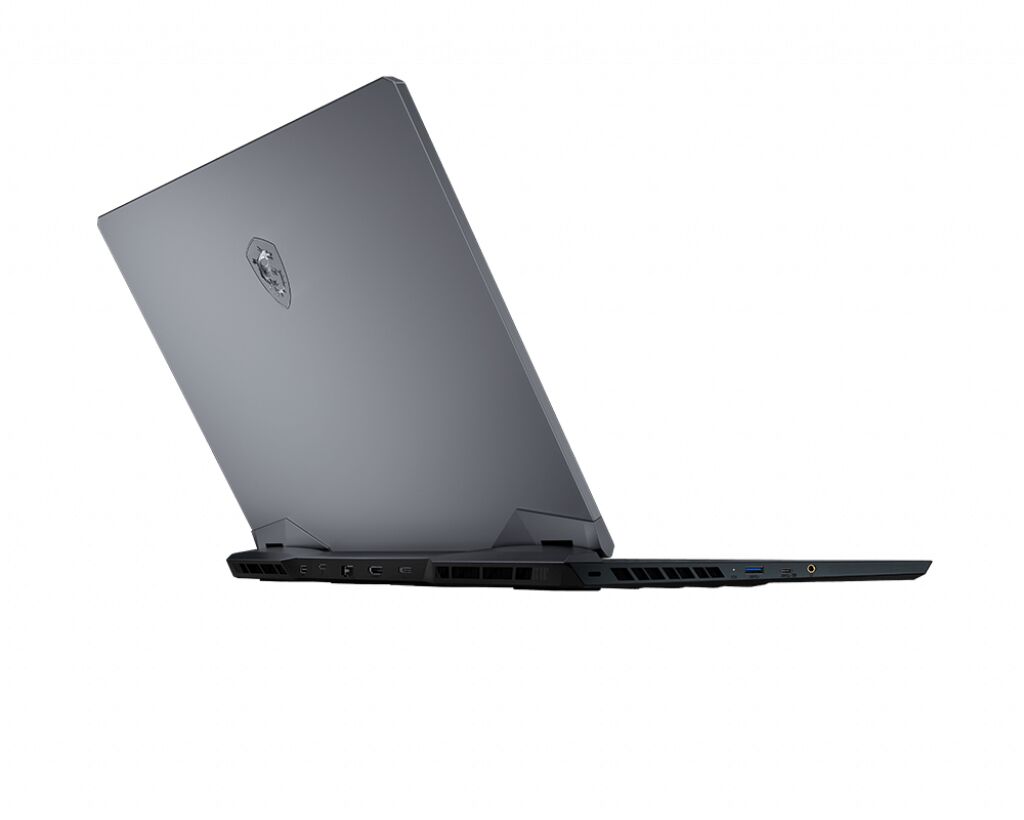
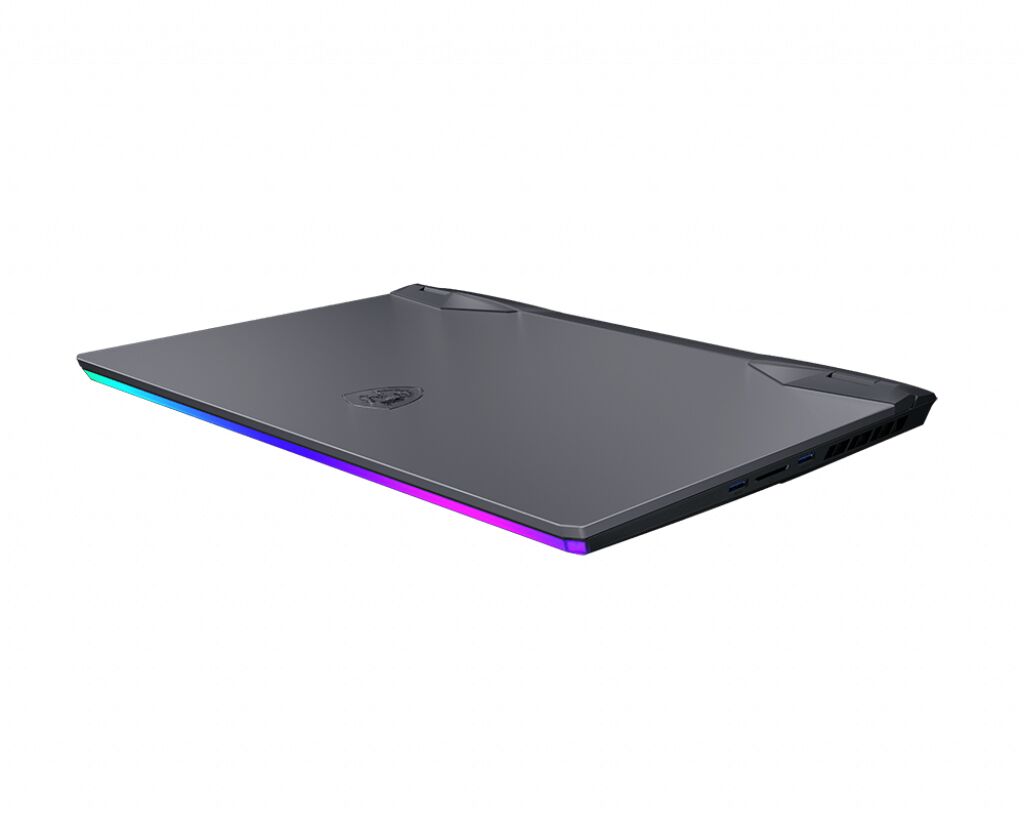
MSI Raider GE66 12UHS-219FR gaming laptop supports DDR5-SDRAM memory upgrade through 2x SO-DIMM slots. Maximum memory capacity reaches 64 GB total. Specifications indicate compatible RAM modules operate at 4800 MHz frequency. Upgrade configuration allows for installation of high-speed DDR5 memory modules in designated slots, enhancing system performance capabilities for gaming applications.
Memory Upgrade Specifications
| Specification | Value |
|---|---|
| Memory slots | 2x SO-DIMM |
| Form factor | SO-DIMM |
| Memory type | DDR5-SDRAM |
| Frequency | 4800 MHz |
| Maximum RAM | 64 GB |
| Voltage | 1.1V |
| Number of pins | 262-pin |
| Interface | PC5 |
| PC Speed Rating | PC5-4800 (PC5-38400) |
| Bandwidth | 38.4 GB/s |
| Laptop Release date | 31 December 2021 |
Additional Notes
- The MSI Raider GE66 12UHS-219FR implements DDR5 technology, which operates at higher voltages than DDR4 and requires modules specifically rated for 1.1V operation, eliminating backward compatibility with any DDR4 SO-DIMM inventory.
- The 4800 MHz frequency represents the JEDEC baseline specification for DDR5, meaning modules rated at 5200 MHz, 5600 MHz, or higher will downclock to match the system's maximum supported speed without performance benefit.
- The dual SO-DIMM configuration limits total memory capacity to 64 GB through two 32 GB modules, as DDR5 SO-DIMM modules beyond this density remain unavailable in the consumer market.
- DDR5 architecture enforces on-die ECC at the hardware level regardless of module specification, but this error correction remains internal and differs from server-grade ECC that reports errors to the operating system.
- Installation requires accessing the bottom panel through manufacturer-designated service points, and opening the chassis may affect warranty status depending on regional consumer protection laws.
- Mixing modules with different latency timings (CL40 with CL46, for example) forces both modules to operate at the slower timing specification, reducing effective memory responsiveness in latency-sensitive workloads.
- The 4800 MHz data rate provides 38.4 GB/s theoretical bandwidth per channel, totaling 76.8 GB/s in dual-channel mode, which may bottleneck GPU-intensive tasks that exceed this transfer threshold.
- DDR5 SO-DIMM modules require matched pairs from the same production batch to guarantee stability in dual-channel configuration, as voltage tolerances vary between manufacturing runs.
- Non-XMP DDR5 modules default to JEDEC 4800 MHz operation without BIOS intervention, while XMP-rated modules need profile activation to reach advertised speeds above the baseline specification.
- The SO-DIMM form factor measures 67.6 mm in length compared to standard DIMM at 133.35 mm, making desktop memory modules physically incompatible despite identical DDR5 electrical specifications.