MSI Gaming Raider GE66 12UH-222FR RAM upgrade specifications

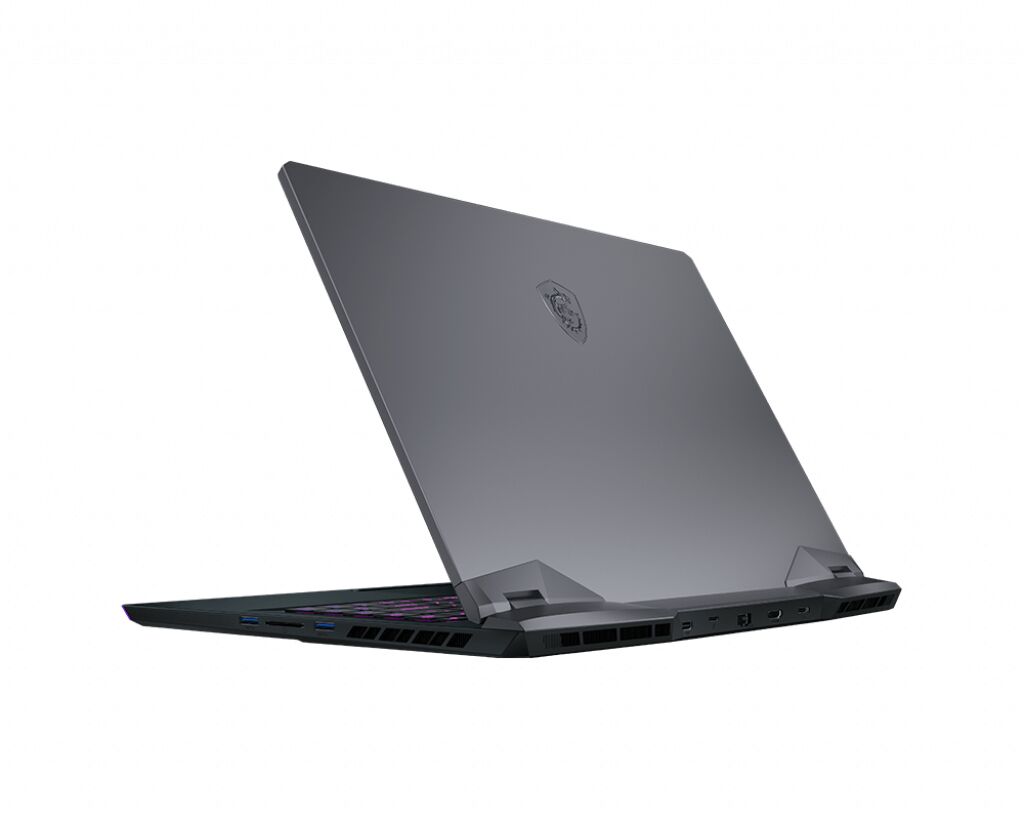

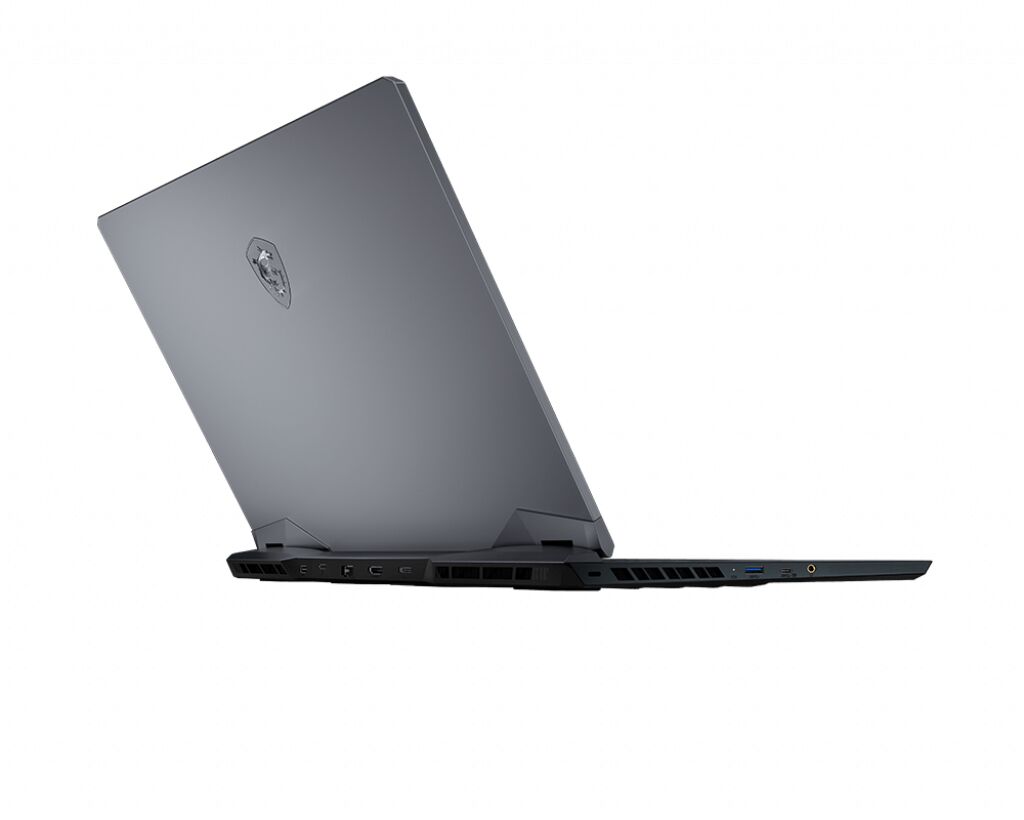
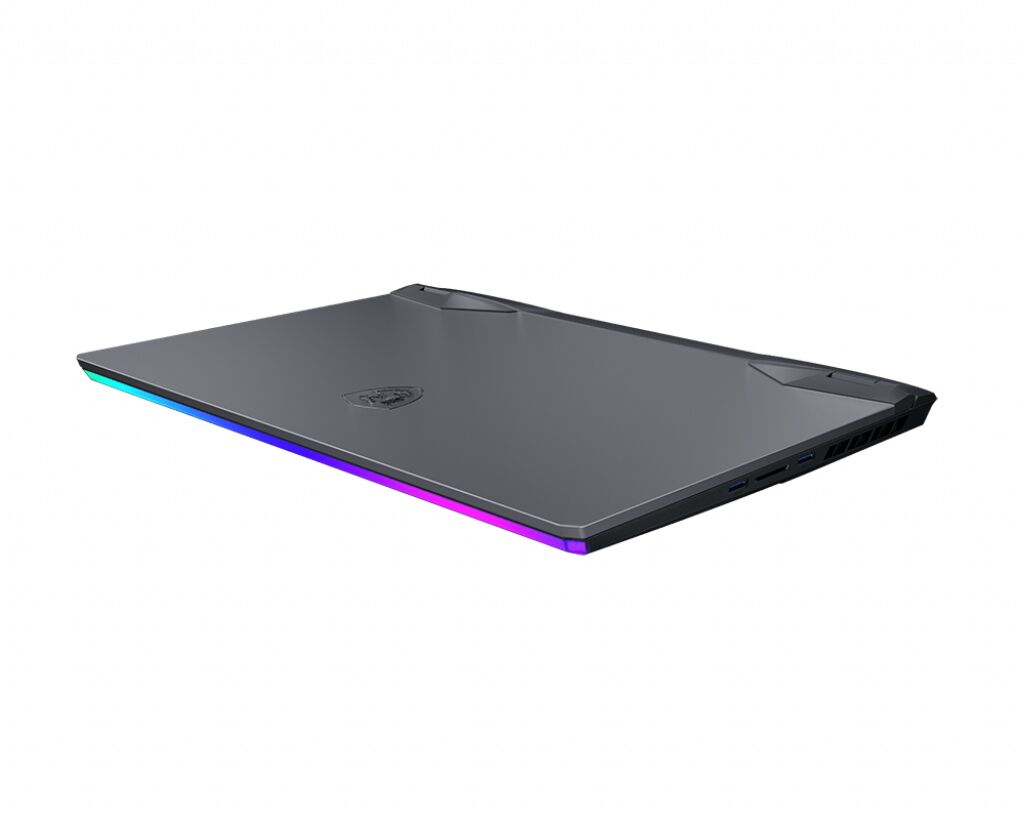
The MSI Raider GE66 12UH-222FR gaming laptop features DDR5-SDRAM memory upgrade specifications with two SO-DIMM slots supporting maximum capacity of 64 GB RAM. Compatible memory operates at 4800 MHz frequency. The Gaming Raider GE series laptop accommodates SO-DIMM form factor modules for memory expansion. Upgrade specifications allow installation of DDR5 memory modules in both available slots to achieve maximum supported capacity. The GE66 12UH-222FR model supports DDR5-SDRAM technology for enhanced performance during memory upgrade procedures.
Memory Upgrade Specifications
| Specification | Value |
|---|---|
| Memory slots | 2x SO-DIMM |
| Form factor | SO-DIMM |
| Memory type | DDR5-SDRAM |
| Frequency | 4800 MHz |
| Maximum RAM | 64 GB |
| Voltage | 1.1V |
| Number of pins | 262-pin |
| Interface | PC5 |
| PC Speed Rating | PC5-4800 (PC5-38400) |
| Bandwidth | 38.4 GB/s |
| Laptop Release date | 31 December 2021 |
Additional Notes
- The MSI Raider GE66 12UH-222FR utilizes DDR5 technology, which operates at higher voltages than DDR4 and requires modules specifically designed for DDR5 slots, preventing backward compatibility with DDR4 memory.
- The 4800 MHz frequency represents the baseline speed for DDR5 SO-DIMM modules, meaning faster kits rated at 5200 MHz or 5600 MHz may downclock to 4800 MHz depending on chipset and processor memory controller limitations.
- Dual SO-DIMM configuration enables dual-channel operation when populated with matched pairs, potentially doubling memory bandwidth compared to single-channel configurations and reducing latency-induced performance bottlenecks in graphics-intensive applications.
- The 64 GB ceiling indicates the memory controller supports a maximum of 32 GB per slot, restricting future expansion beyond this threshold regardless of higher-density module availability.
- SO-DIMM form factor modules measure physically smaller than standard DIMM desktop memory, requiring purchasers to verify module dimensions before ordering to avoid compatibility errors with desktop-sized components.
- Accessing the memory slots typically requires bottom panel removal, and on certain chassis designs, this process may involve disconnecting the battery connector to prevent electrical damage during installation.
- DDR5 modules incorporate onboard power management integrated circuits that regulate voltage delivery independently from the motherboard, potentially affecting thermal profiles and requiring adequate airflow around memory slots.
- Memory timing specifications beyond frequency, such as CAS latency values, remain unlisted but directly influence real-world application responsiveness and data transfer efficiency between RAM and processor cores.
- Warranty preservation generally permits user-installed memory upgrades without seal breakage penalties, though verifying manufacturer policies specific to this chassis generation remains advisable before disassembly.
- The DDR5 standard introduces higher burst lengths and prefetch buffers compared to DDR4, enhancing sequential data throughput while potentially introducing microsecond-level latency increases in random access patterns.