MSI Gaming Raider GE66 12UGS-089FR RAM upgrade specifications



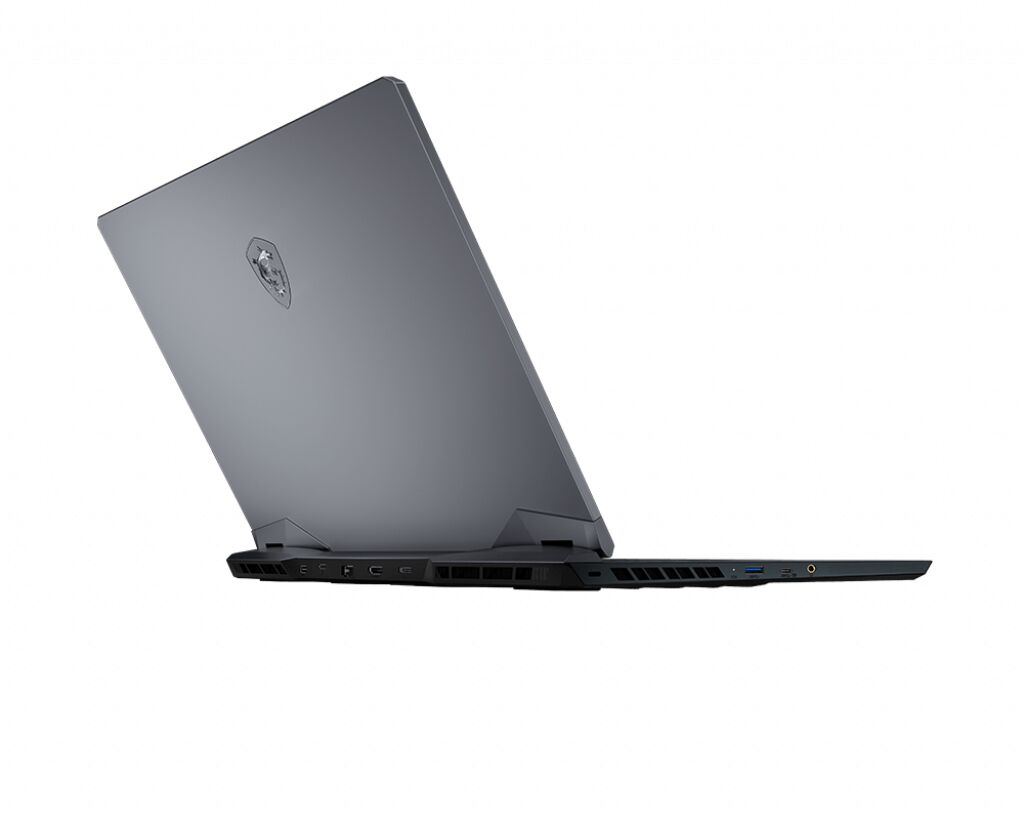
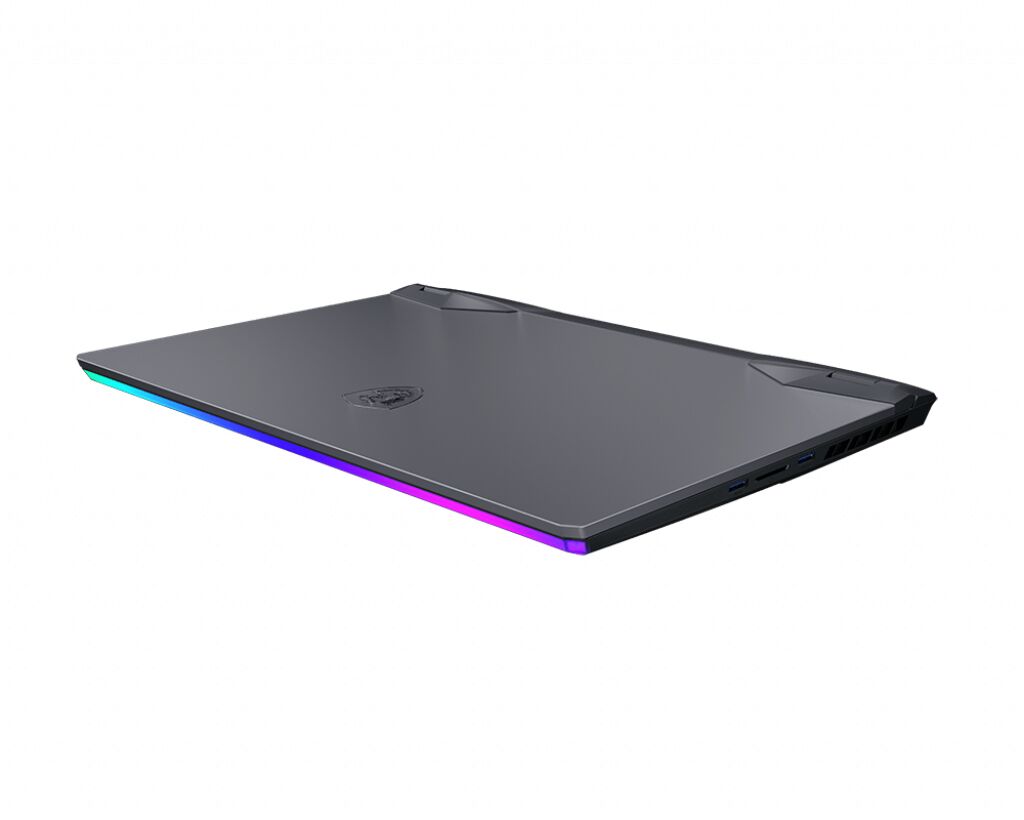
MSI Raider GE66 12UGS-089FR gaming laptop memory upgrade specifications include DDR5-SDRAM support with two SO-DIMM slots for RAM expansion. Maximum compatible memory capacity reaches 64 GB total. Memory modules operate at 4800 MHz frequency. Upgrade specifications are compatible with standard DDR5 SO-DIMM form factor modules. Current slot configuration permits memory expansion through dual-slot configuration.
Memory Upgrade Specifications
| Specification | Value |
|---|---|
| Memory slots | 2x SO-DIMM |
| Form factor | SO-DIMM |
| Memory type | DDR5-SDRAM |
| Frequency | 4800 MHz |
| Maximum RAM | 64 GB |
| Voltage | 1.1V |
| Number of pins | 262-pin |
| Interface | PC5 |
| PC Speed Rating | PC5-4800 (PC5-38400) |
| Bandwidth | 38.4 GB/s |
| Laptop Release date | 31 December 2021 |
Additional Notes
- The dual-channel architecture requires identical module pairs to achieve peak memory bandwidth and prevent latency asynchronous spikes during heavy gaming or rendering tasks.
- Utilizing the maximum 64 GB capacity on the MSI Raider GE66 12UGS-089FR necessitates the removal of all factory installed modules because the system lacks additional open slots for expansion.
- The DDR5 architecture incorporates on-die ECC and power management integrated circuits which generate more localized heat compared to previous generations, requiring adequate airflow around the SO-DIMM area.
- Memory modules exceeding the 4800 MHz frequency will automatically downclock to match the hardware controller limitations of the 12th generation chipset architecture.
- The physical installation process requires a non-conductive pry tool to release the plastic clips of the bottom chassis without risking short circuits to the motherboard components.
- High density 32 GB modules must be double-sided components to ensure full addressable range compatibility with the internal memory controller.
- Firmware updates through the BIOS may be necessary to ensure system stability when switching from single-rank to dual-rank memory configurations at maximum capacity.