MSI Gaming RAIDER GE68HX 13VF-062US RAM upgrade specifications
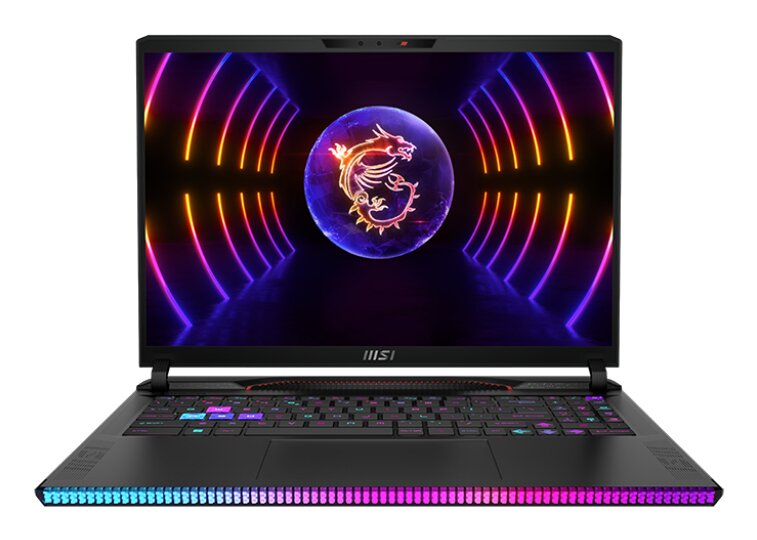


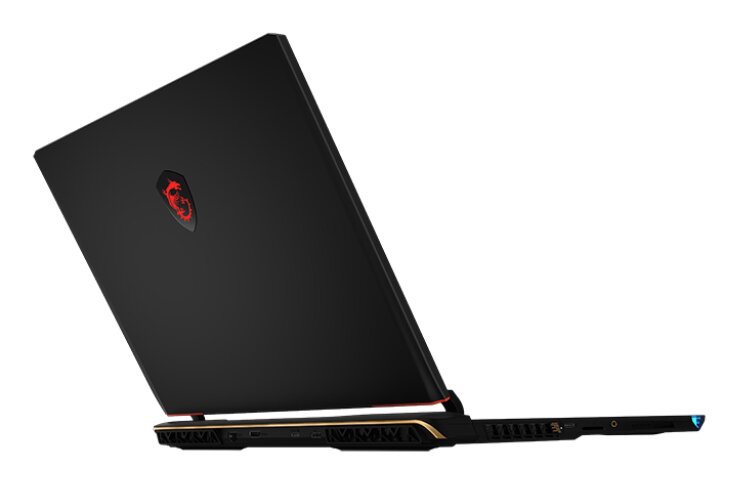
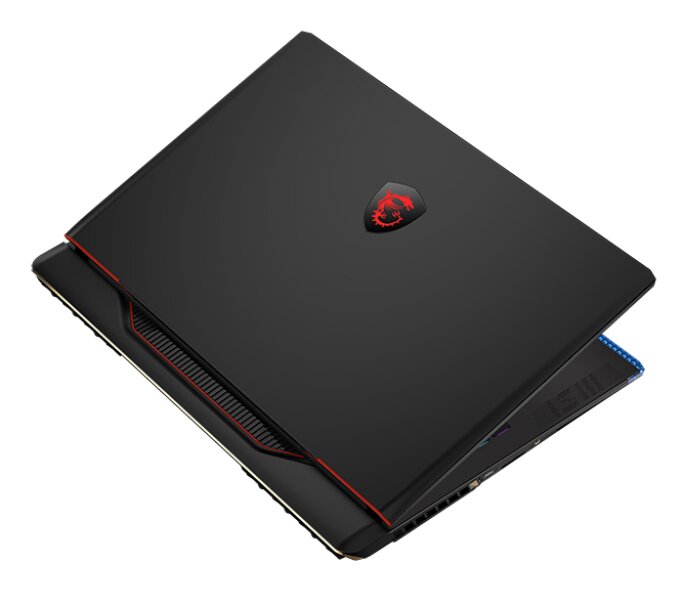
MSI RAIDER GE68HX 13VF-062US gaming laptop features DDR5-SDRAM memory upgrade specifications. The system contains 2x SO-DIMM slots supporting maximum RAM capacity of 64 GB. Compatible memory modules operate at 5600 MHz frequency. Upgrade specifications accommodate DDR5 SO-DIMM form factor memory for enhanced performance and multitasking capabilities on the GE series gaming platform.
Memory Upgrade Specifications
| Specification | Value |
|---|---|
| Memory slots | 2x SO-DIMM |
| Form factor | SO-DIMM |
| Memory type | DDR5-SDRAM |
| Frequency | 5600 MHz |
| Maximum RAM | 64 GB |
| Voltage | 1.1V |
| Number of pins | 262-pin |
| Interface | PC5 |
| PC Speed Rating | PC5-5600 (PC5-44800) |
| Bandwidth | 44.8 GB/s |
Additional Notes
- The MSI RAIDER GE68HX 13VF-062US operates at 5600 MHz, which places significant demands on module quality and may result in system instability if non-certified or lower-binned RAM is installed.
- The 64 GB ceiling translates to 32 GB per slot when fully populated, requiring dual-rank modules that generate more heat than single-rank equivalents in sustained workloads.
- DDR5 operates at lower voltage than DDR4 but produces higher peak temperatures under load, particularly in gaming laptops where chassis ventilation prioritizes GPU and CPU cooling.
- SO-DIMM installation requires removing the bottom panel, which on many gaming models involves voiding warranty seals or detaching thermal components that necessitate reapplication of thermal paste.
- The 2-slot configuration prevents future expansion beyond 64 GB without discarding existing modules, making initial capacity planning critical for multi-year use scenarios.
- Mixing RAM speeds or brands across the 2 slots can force the memory controller to downclock to the lowest common speed, negating performance gains from higher-rated modules.
- DDR5-5600 bandwidth reaches 44.8 GB/s per channel in dual-channel mode, but real-world latency penalties from higher CAS timings may offset raw throughput advantages in latency-sensitive applications.
- Intel 13th generation platforms support JEDEC and XMP profiles for DDR5, though gaming laptops often ship with XMP disabled in BIOS to maintain thermal and power targets.
- Non-ECC SO-DIMM modules are standard for consumer systems, meaning bit-flip errors in scientific or rendering tasks will go undetected and uncorrected.
- Aftermarket modules rated above 5600 MHz may not achieve advertised speeds if the laptop BIOS lacks profile support or imposes frequency locks to preserve system stability.