MSI Gaming Raider GE66 12UGS-698AU RAM upgrade specifications


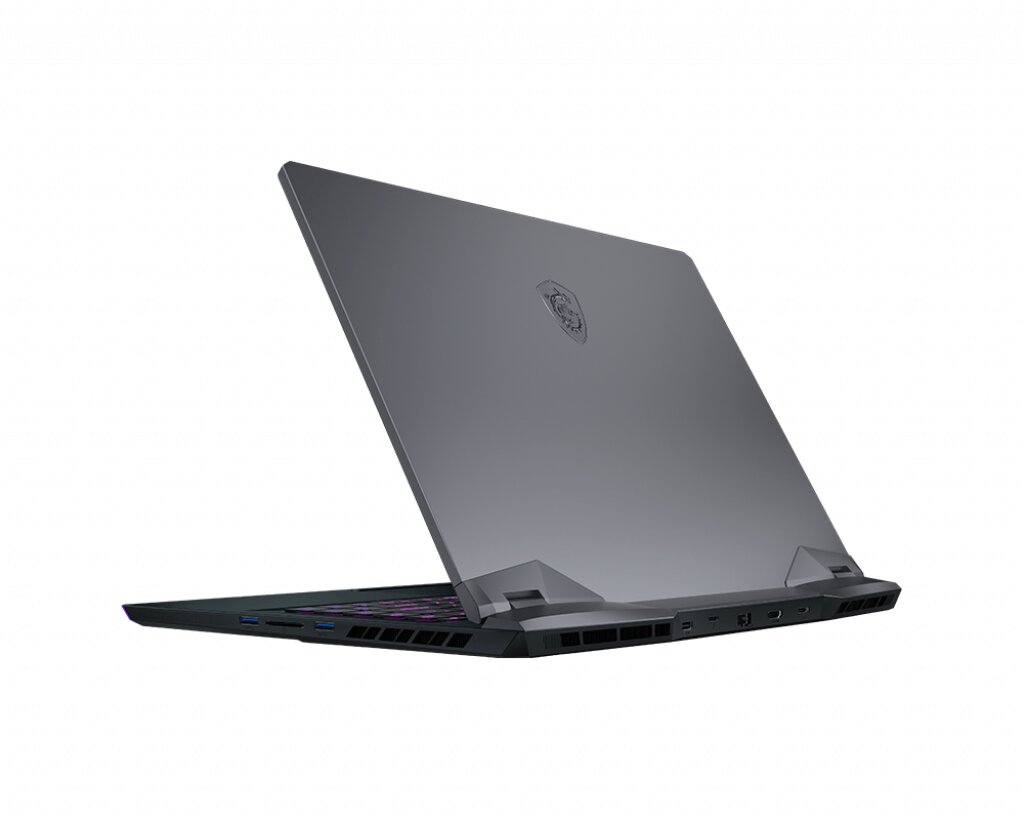
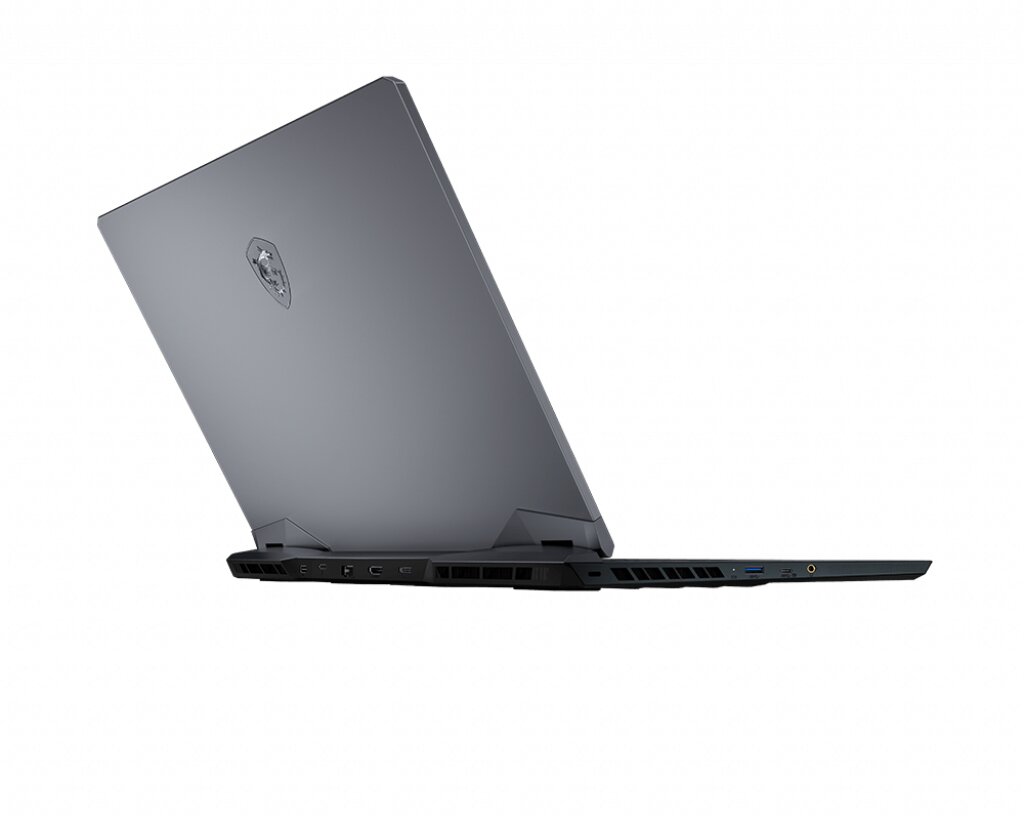
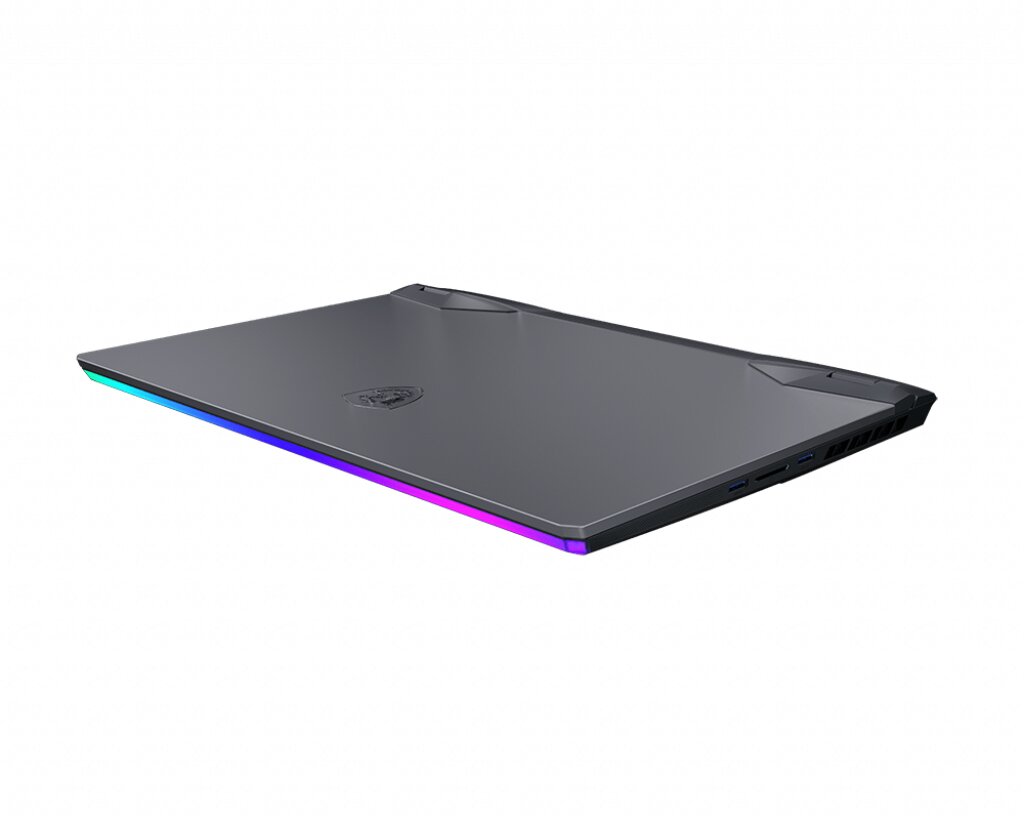
The MSI Raider GE66 12UGS-698AU gaming laptop features DDR5-SDRAM memory upgrade specifications with two SO-DIMM slots supporting maximum capacity of 64 GB. Compatible memory modules operate at 4800 MHz frequency. The upgrade slots accommodate standard SO-DIMM form factor modules, enabling users to expand the laptop's RAM capacity for enhanced multitasking and performance capabilities in gaming and professional applications.
Memory Upgrade Specifications
| Specification | Value |
|---|---|
| Memory slots | 2x SO-DIMM |
| Form factor | SO-DIMM |
| Memory type | DDR5-SDRAM |
| Frequency | 4800 MHz |
| Maximum RAM | 64 GB |
| Voltage | 1.1V |
| Number of pins | 262-pin |
| Interface | PC5 |
| PC Speed Rating | PC5-4800 (PC5-38400) |
| Bandwidth | 38.4 GB/s |
| Laptop Release date | 28 September 2022 |
Additional Notes
- The MSI Raider GE66 12UGS-698AU operates DDR5 modules at 4800 MHz, representing the baseline JEDEC specification for this memory generation rather than performance-optimized variants running at 5200 MHz or higher.
- SO-DIMM form factor modules measuring 67.6 mm in length remain the only compatible physical standard, as standard desktop DIMM modules at 133.35 mm will not fit the laptop's internal cavity.
- The 64 GB maximum capacity constraint requires dual-rank 32 GB modules when targeting full memory population, as single-rank 32 GB SO-DIMMs lack widespread availability in the DDR5 generation.
- DDR5 architecture incorporates on-die ECC that operates independently from traditional server-grade error correction, providing baseline data integrity without requiring specific module configuration.
- Voltage regulation occurs on-module through a dedicated PMIC rather than motherboard-level control, creating potential compatibility issues when mixing modules from manufacturers with different power management implementations.
- The dual-channel configuration achieves 76.8 GB/s theoretical bandwidth at 4800 MHz, though real-world performance depends heavily on primary timings typically ranging from CL40 to CL46 in SO-DIMM DDR5 modules.
- Memory replacement procedures on this chassis typically require bottom panel removal and careful navigation around thermal solutions, as RAM slots often sit beneath dedicated cooling assemblies in high-performance gaming configurations.
- Mixing DDR5 modules with different die configurations, such as combining 8 Gb-based and 16 Gb-based density architectures, frequently causes training failures despite matching frequency specifications.
- XMP 3.0 profiles encoded in DDR5 modules may require BIOS intervention for activation, as mobile platforms often default to JEDEC base profiles to maintain thermal and power delivery stability.
- Warranty preservation mandates verification of user-serviceable component classifications, as some regional MSI policies distinguish between authorized upgrade procedures and those triggering seal violations.