MSI Gaming Raider GE68 HX 14VIG-433XES RAM upgrade specifications



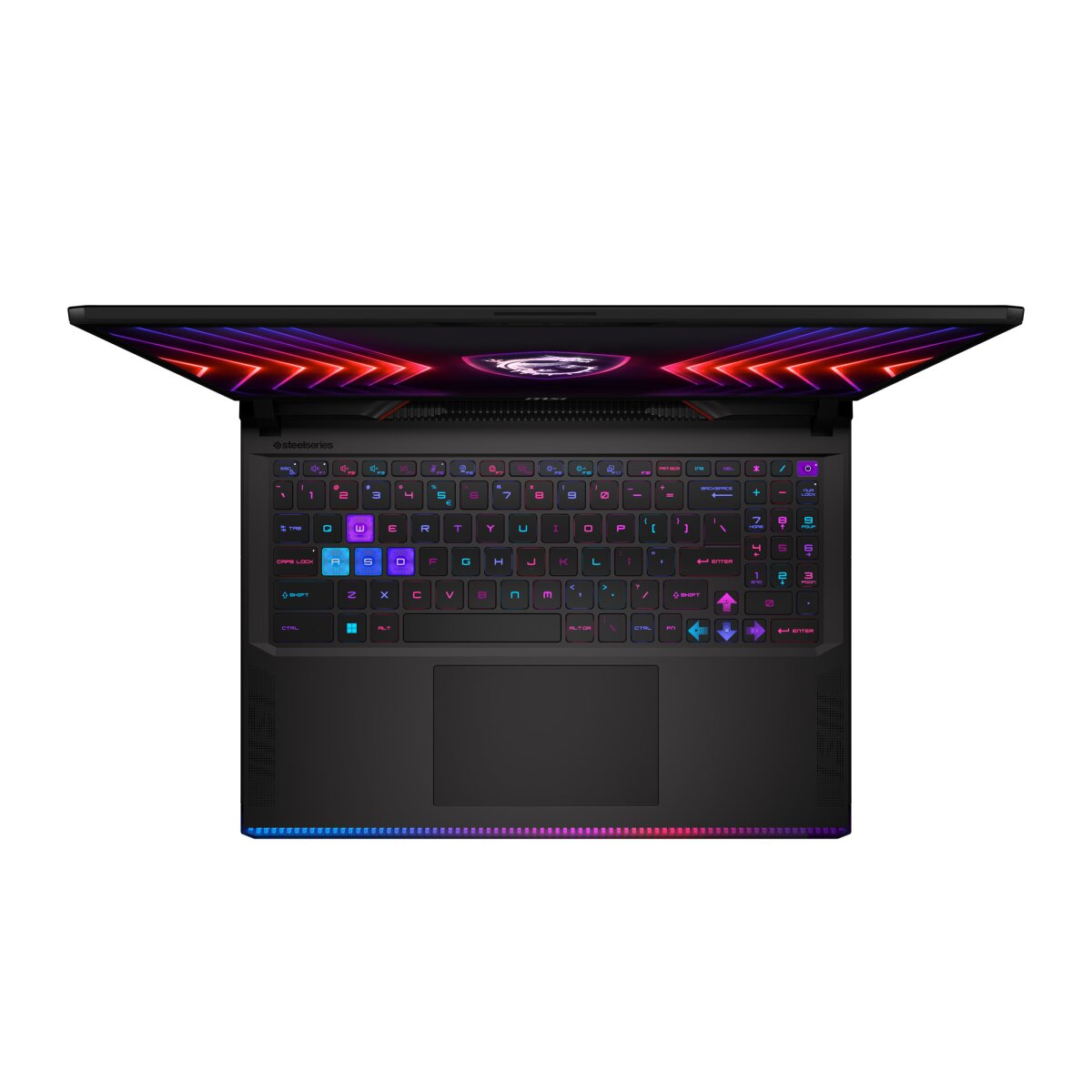

MSI Raider GE68 HX 14VIG-433XES gaming laptop supports DDR5-SDRAM memory upgrade through 2x SO-DIMM slots. Maximum RAM capacity reaches 64 GB total. Compatible memory operates at 5600 MHz frequency. RAM upgrade specifications utilize SO-DIMM form factor modules, enabling memory expansion for enhanced multitasking and performance capabilities on the GE series gaming platform.
Memory Upgrade Specifications
| Specification | Value |
|---|---|
| Memory slots | 2x SO-DIMM |
| Form factor | SO-DIMM |
| Memory type | DDR5-SDRAM |
| Frequency | 5600 MHz |
| Maximum RAM | 64 GB |
| Voltage | 1.1V |
| Number of pins | 262-pin |
| Interface | PC5 |
| PC Speed Rating | PC5-5600 (PC5-44800) |
| Bandwidth | 44.8 GB/s |
Additional Notes
- The MSI Raider GE68 HX 14VIG-433XES dual-channel architecture requires matched SO-DIMM pairs to prevent asymmetric memory configuration, which would force single-channel operation and halve theoretical bandwidth from 89.6 GB/s to 44.8 GB/s.
- DDR5-5600 modules operate with higher baseline voltages (1.1V) compared to DDR4 generations, generating increased thermal output that relies on adequate chassis ventilation during sustained workloads.
- The 64 GB ceiling limits each slot to 32 GB modules, excluding higher-density configurations that would otherwise support future expansion beyond current maximum capacity.
- JEDEC-compliant DDR5 modules default to 4800 MHz until XMP/EXPO profiles activate through BIOS configuration, meaning advertised 5600 MHz speeds require manual enablement rather than plug-and-play operation.
- SO-DIMM physical constraints prevent standard DIMM compatibility, restricting replacement options to laptop-specific module inventories with corresponding price premiums over desktop equivalents.
- Mixing modules with different latency timings (CL40 versus CL46) forces the memory controller to adopt the slower timing across both channels, negating performance advantages of premium low-latency kits.
- Non-binary capacity combinations such as 48 GB total (16 GB plus 32 GB) maintain dual-channel operation but create asymmetric interleaving that impacts burst transfer efficiency in memory-intensive applications.
- User-accessible SO-DIMM slots typically preserve manufacturer warranty coverage for self-installed upgrades, unlike soldered memory configurations that void service agreements when tampered with.
- DDR5 on-die ECC operates independently of system-level error correction, providing background data integrity checks without BIOS visibility or user configuration requirements.
- The 5600 MHz native frequency eliminates compatibility concerns with intermediate speed bins, as DDR5 specifications allow automatic downclocking to match installed module capabilities without stability penalties.