MSI Gaming GF63 10SC-1415CA Thin RAM upgrade specifications



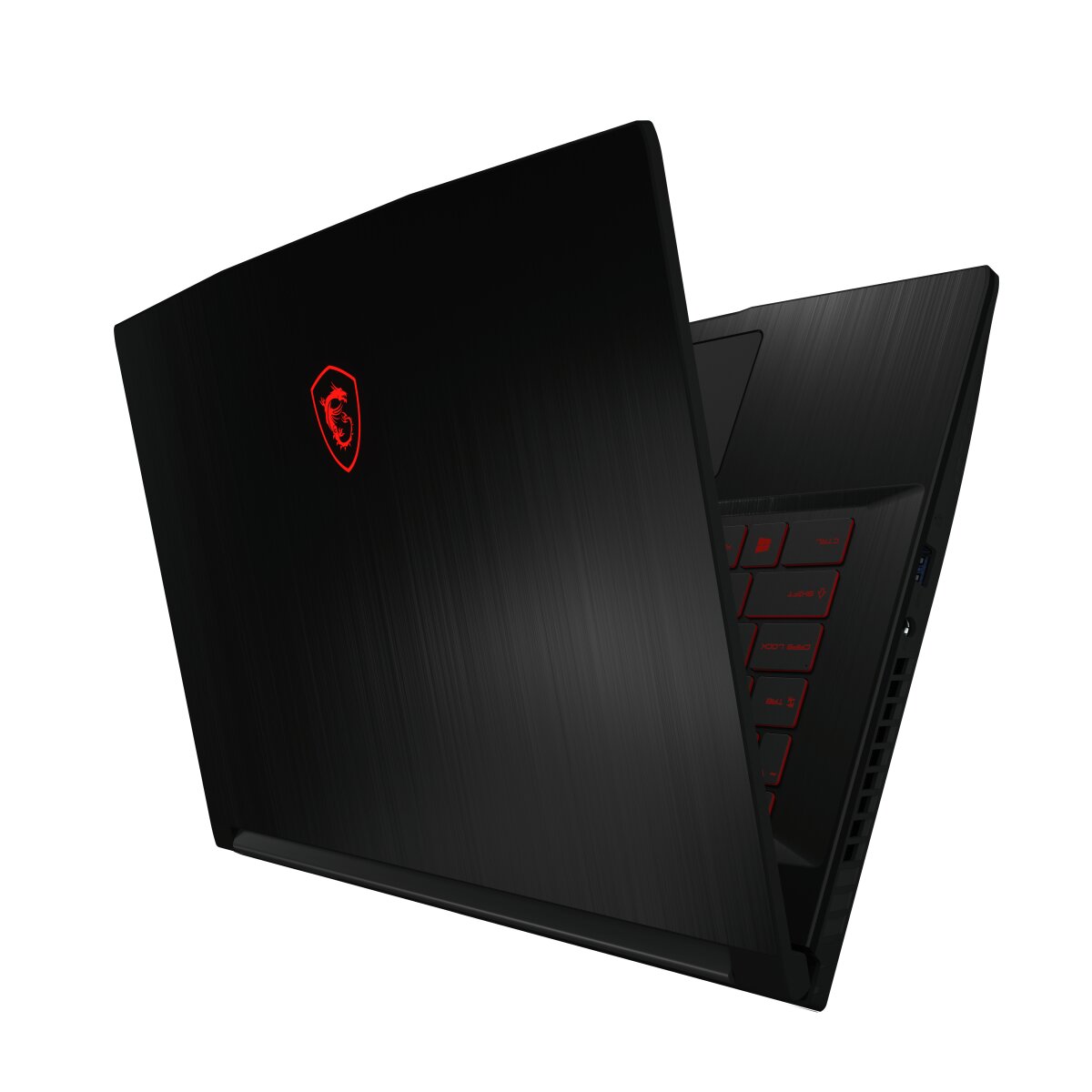
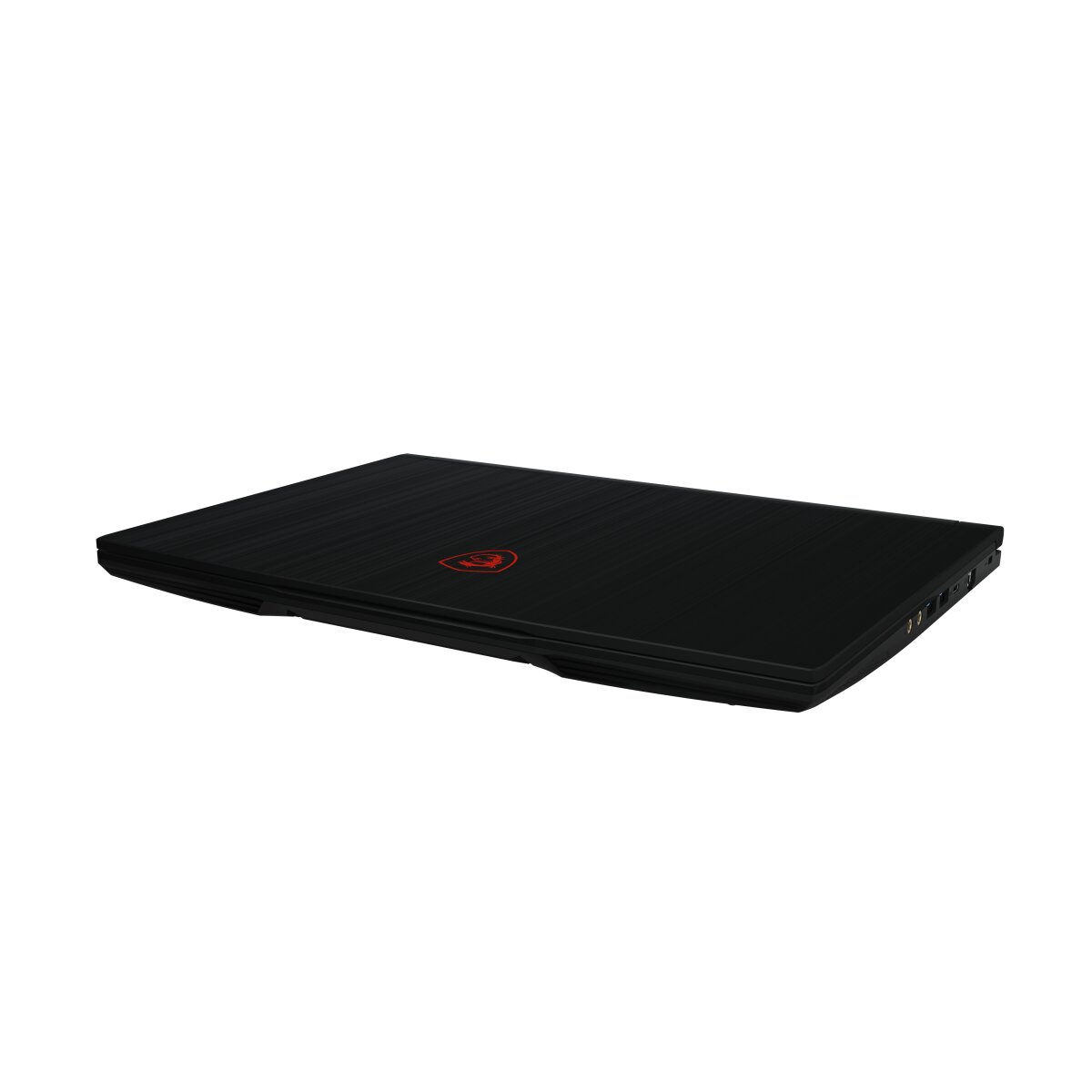
MSI GF63 10SC-1415CA Thin gaming laptop memory upgrade specifications include two SO-DIMM slots supporting DDR4-SDRAM modules. Maximum supported RAM capacity reaches 64 GB total, with compatible memory modules operating at 2666 MHz frequency. Existing memory configuration may be upgraded by replacing or adding DDR4 SO-DIMM modules in available slots. Specifications indicate the GF series gaming model supports memory expansion up to the stated maximum capacity through compatible DDR4-SDRAM upgrades in SO-DIMM form factor.
Memory Upgrade Specifications
| Specification | Value |
|---|---|
| Memory slots | 2x SO-DIMM |
| Form factor | SO-DIMM |
| Memory type | DDR4-SDRAM |
| Frequency | 2666 MHz |
| Maximum RAM | 64 GB |
| Voltage | 1.2V |
| Number of pins | 260-pin |
| Interface | PC4 |
| PC Speed Rating | PC4-2666 (PC4-21328) |
| Bandwidth | 21.3 GB/s |
| Laptop Release date | 19 February 2024 |
Additional Notes
- The MSI GF63 10SC-1415CA Thin contains 2 SO-DIMM slots operating at 2666 MHz, which means both slots must be populated simultaneously to achieve dual-channel bandwidth; a single module will operate in single-channel mode with reduced memory throughput.
- DDR4-2666 represents the maximum supported frequency for this platform; modules rated above 2666 MHz will downclock to this specification and cannot deliver advertised higher performance.
- The 64 GB maximum capacity requires 2x32 GB SO-DIMM modules; upgrading to this configuration involves removing both existing memory modules completely, as the slot count cannot accommodate a mixed capacity approach with one original module remaining.
- SO-DIMM physical constraints mean replacement modules must fit within laptop case dimensions; oversized heatspreaders on some high-performance DDR4 modules may contact the display panel or keyboard assembly during installation.
- Warranty preservation requires purchasing DDR4-2666 or slower modules; faster-rated memory operating at reduced clocks will not void coverage, but configuring the BIOS to overclock memory beyond 2666 MHz voids manufacturer protection.
- The 10th generation Intel architecture paired with DDR4-2666 creates a memory-bandwidth bottleneck under sustained GPU workloads; the integrated memory controller cannot saturate available PCI Express lanes during graphics-intensive tasks.