MSI Gaming GF63 11UC-453NL Thin RAM upgrade specifications
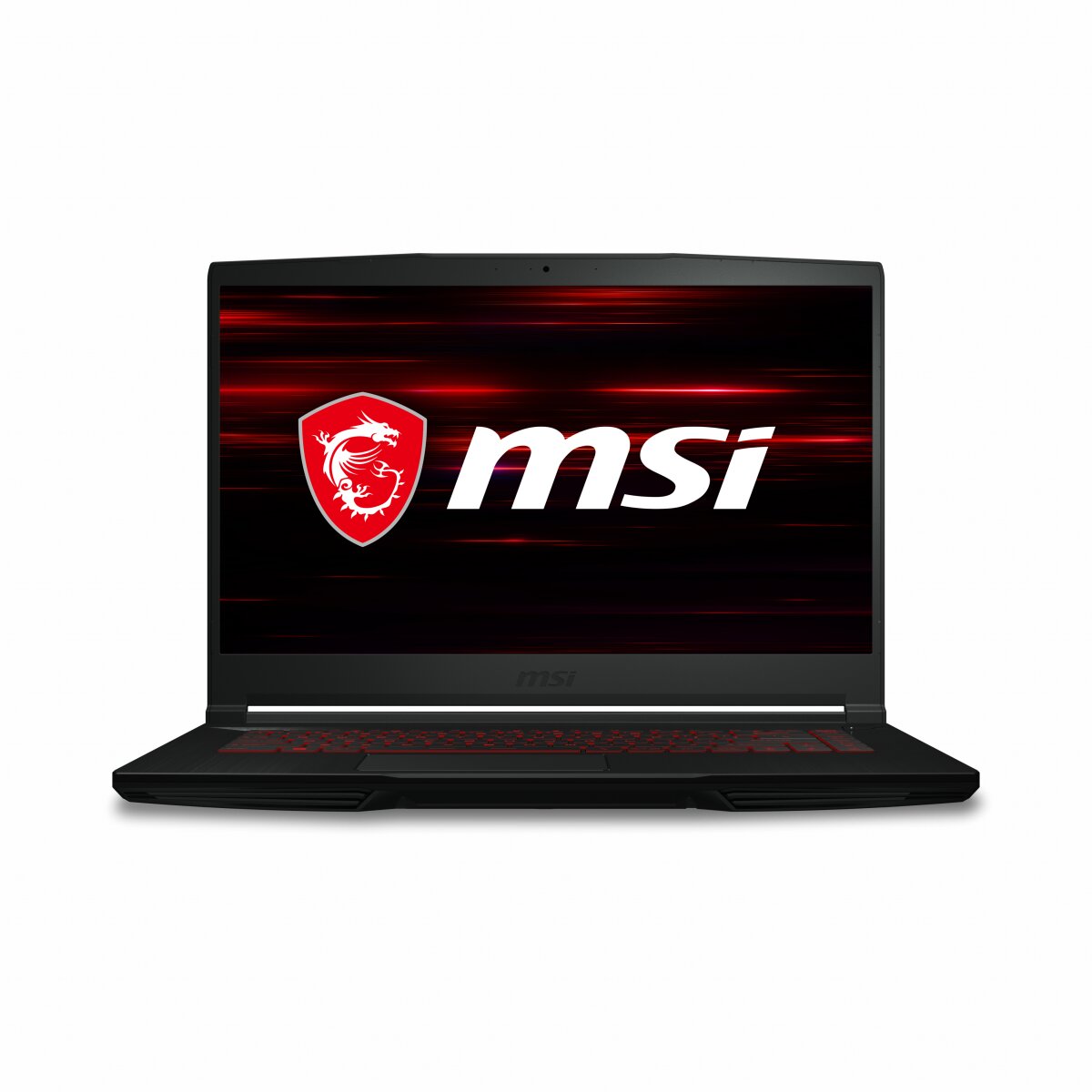
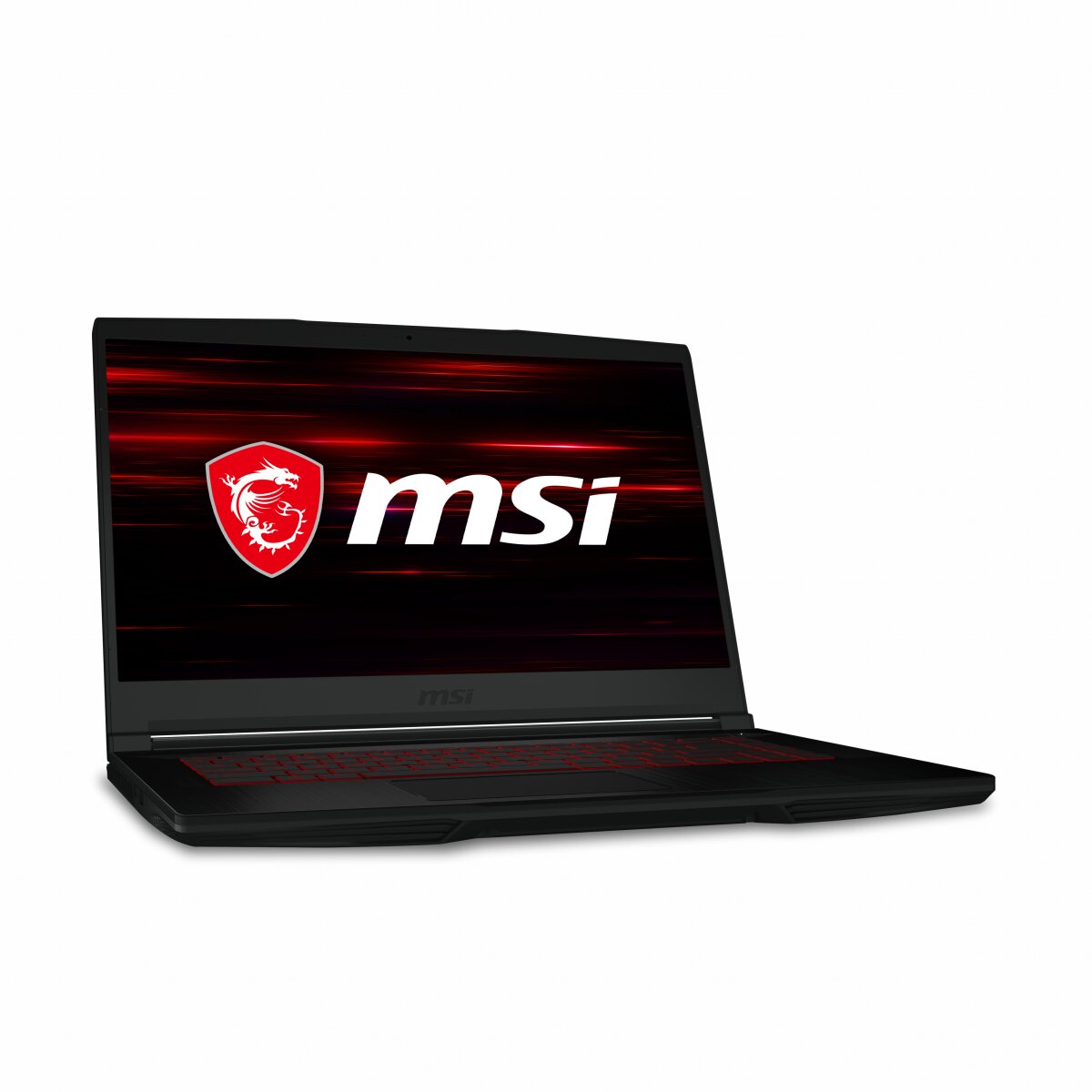
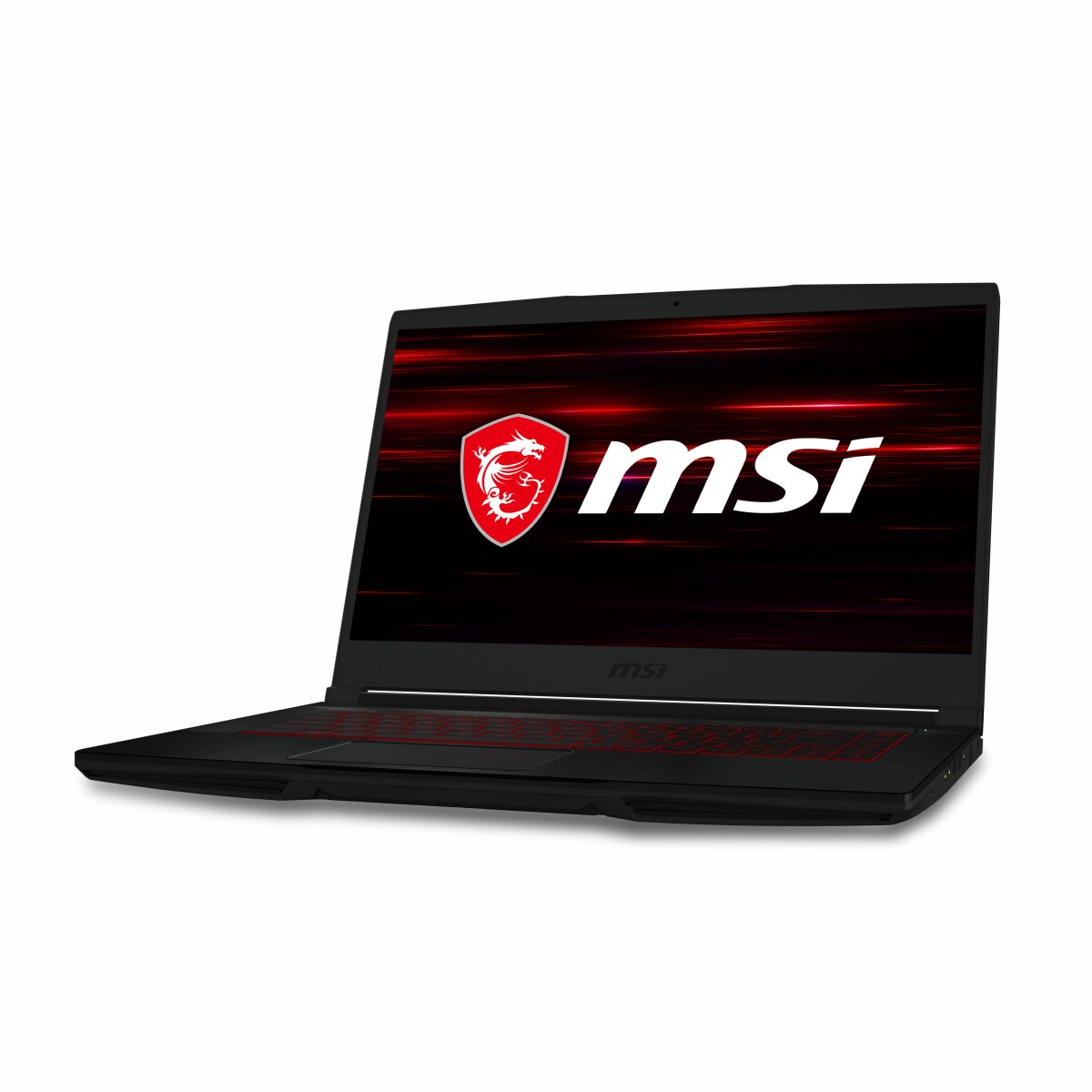
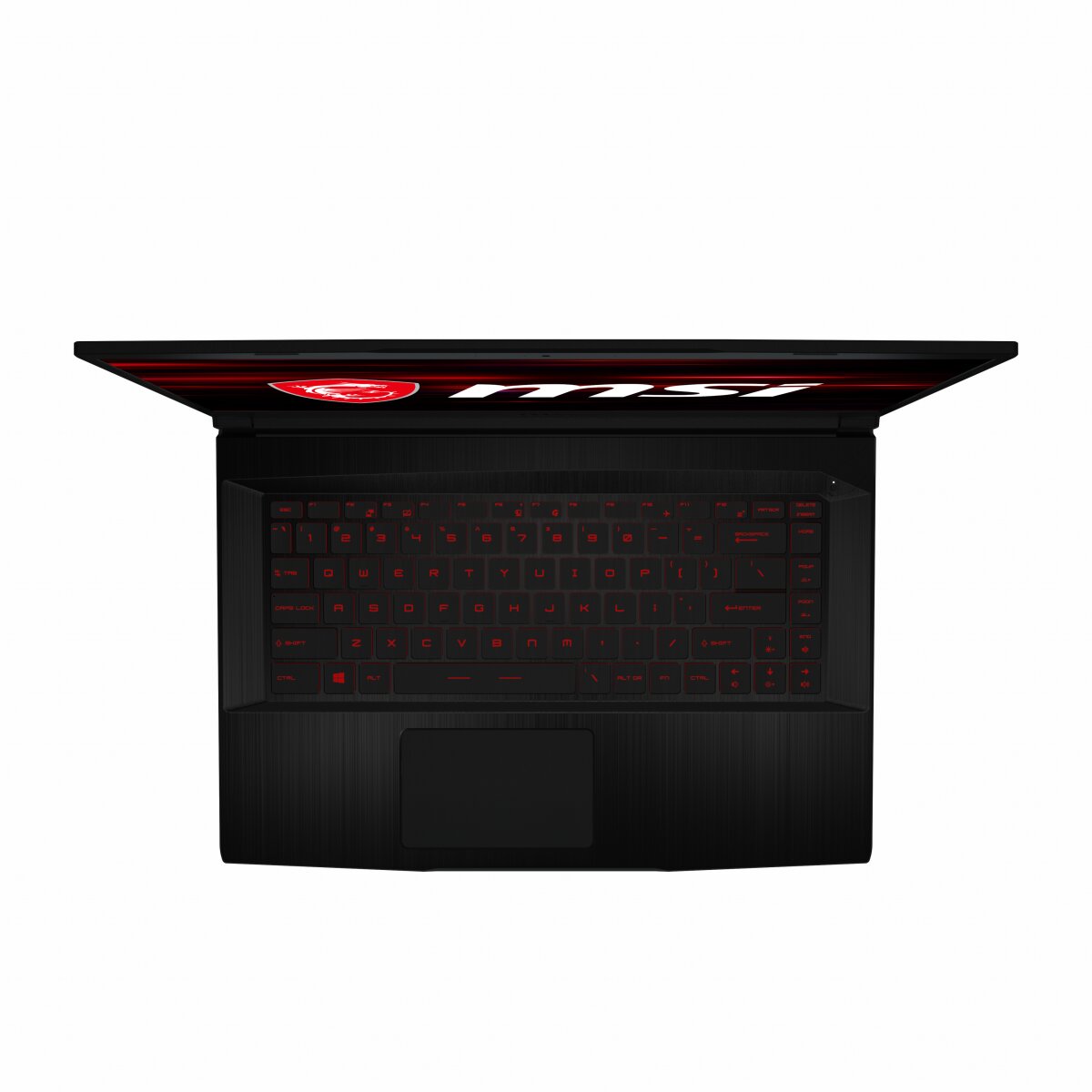
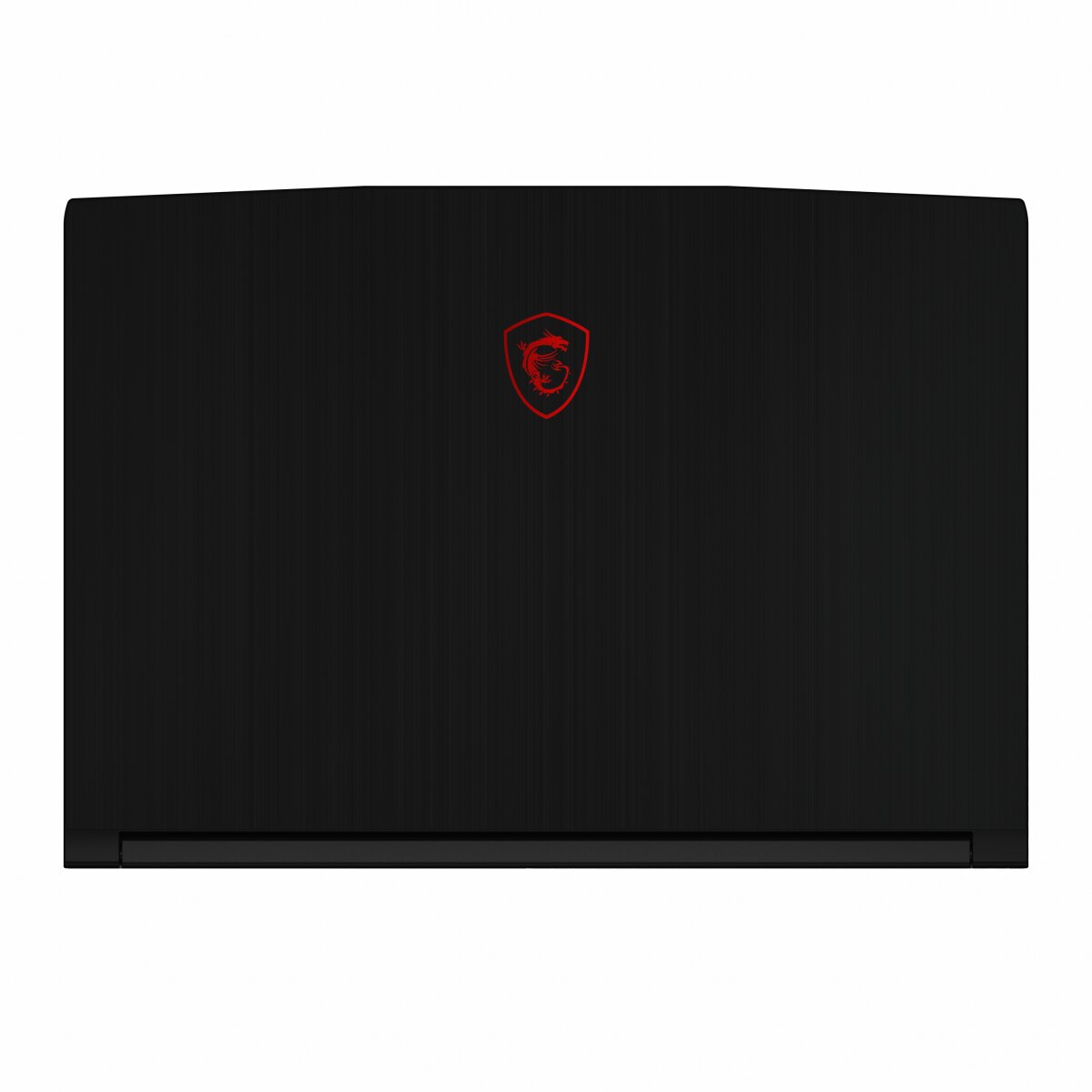
The MSI GF63 11UC-453NL Thin Gaming series laptop supports DDR4-SDRAM memory upgrades with 2 SO-DIMM slots available for expansion. Maximum RAM capacity reaches 64 GB total, operating at 3200 MHz frequency specifications. Compatible memory modules utilize the SO-DIMM form factor, enabling users to upgrade from factory-installed configurations up to the maximum supported capacity. Memory upgrade options provide flexibility for enhancing multitasking performance and application handling on this Gaming Family model.
Memory Upgrade Specifications
| Specification | Value |
|---|---|
| Memory slots | 2x SO-DIMM |
| Form factor | SO-DIMM |
| Memory type | DDR4-SDRAM |
| Frequency | 3200 MHz |
| Maximum RAM | 64 GB |
| Voltage | 1.2V |
| Number of pins | 260-pin |
| Interface | PC4 |
| PC Speed Rating | PC4-3200 (PC4-25600) |
| Bandwidth | 25.6 GB/s |
| Laptop Release date | 26 January 2022 |
Additional Notes
- The DDR4-3200 specification ensures backward compatibility with lower frequency modules, though 2933 MHz or 2666 MHz modules will force the entire system to run at the slower speed due to JEDEC synchronization requirements.
- The 64 GB ceiling indicates the chipset and BIOS support 32 GB density modules per slot, a capability absent in earlier 11th generation implementations that capped at 32 GB total.
- Mixing modules with different CAS latencies will force both sticks to operate at the higher latency timing, potentially degrading performance in memory-intensive gaming scenarios despite matching frequencies.
- Dual-channel architecture requires populated pairs in both slots to unlock full memory bandwidth, as single-module configurations halve theoretical throughput from 51.2 GB/s to 25.6 GB/s.
- SO-DIMM installations on this MSI GF63 11UC-453NL Thin chassis require bottom panel removal, where warranty seals may be present depending on regional regulations and distributor policies.
- The 3200 MHz native support eliminates XMP profile dependencies, allowing plug-and-play operation without BIOS adjustments that could complicate less technical installations.
- Non-ECC unbuffered modules represent the only compatible topology, as registered or ECC variants will either fail POST or operate in degraded modes on mobile consumer platforms.
- Thermal constraints in thin gaming chassis may throttle sustained memory-intensive workloads before reaching theoretical bandwidth limits, particularly when both GPU and CPU generate concurrent heat loads.
- Asymmetric configurations pairing different capacity modules will still enable dual-channel mode through flex memory technology, though only the matched portion operates in interleaved mode.