MSI Gaming GF63 11UC-295AU Thin RAM upgrade specifications

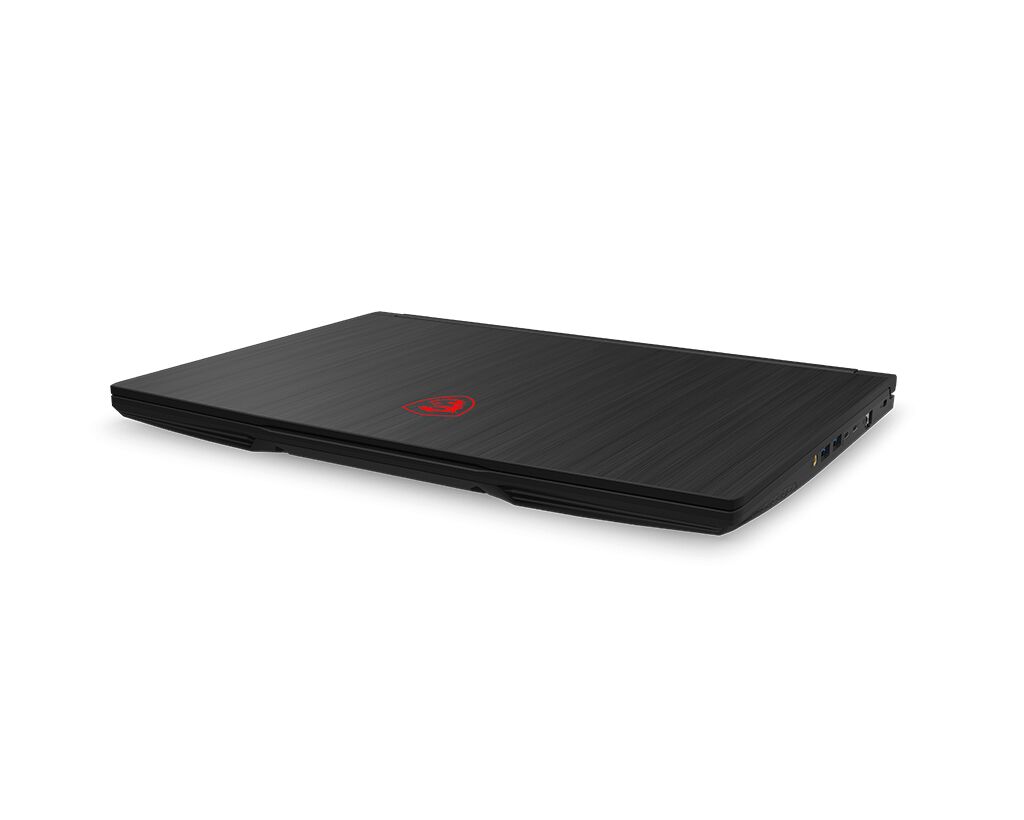

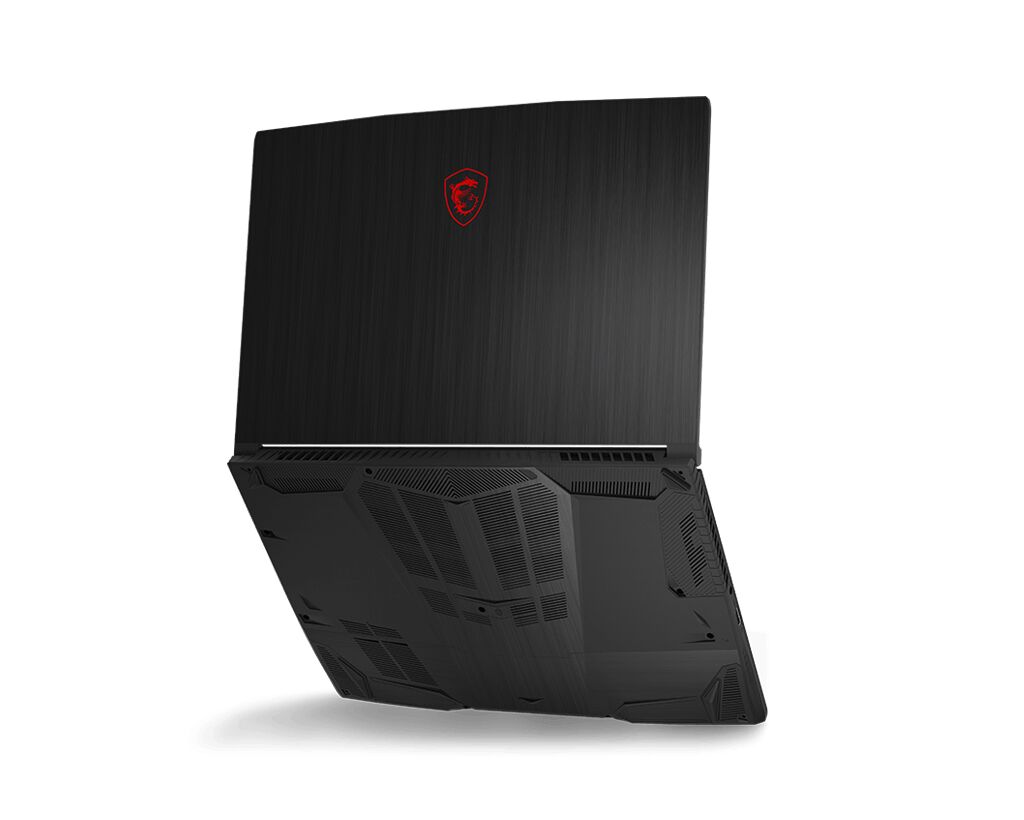
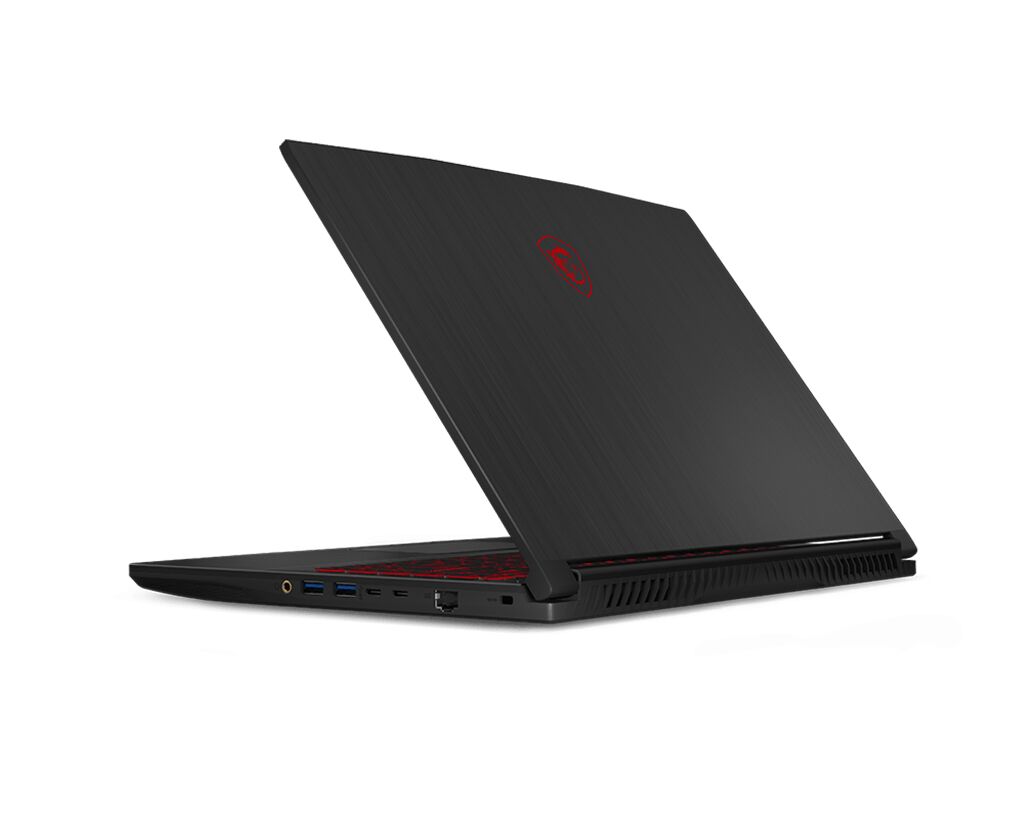
The MSI GF63 11UC-295AU Thin gaming laptop features DDR4-SDRAM memory upgrade specifications with two SO-DIMM slots supporting maximum capacity of 64 GB total. Compatible memory modules operate at 3200 MHz frequency. The Gaming GF series model accommodates SO-DIMM form factor RAM upgrades, enabling users to expand the system's memory configurations from the factory-installed baseline to the maximum supported 64 GB capacity through compatible DDR4 memory modules.
Memory Upgrade Specifications
| Specification | Value |
|---|---|
| Memory slots | 2x SO-DIMM |
| Form factor | SO-DIMM |
| Memory type | DDR4-SDRAM |
| Frequency | 3200 MHz |
| Maximum RAM | 64 GB |
| Voltage | 1.2V |
| Number of pins | 260-pin |
| Interface | PC4 |
| PC Speed Rating | PC4-3200 (PC4-25600) |
| Bandwidth | 25.6 GB/s |
| Laptop Release date | 16 January 2022 |
Additional Notes
- The MSI GF63 11UC-295AU Thin dual-slot configuration allows symmetric memory installation for dual-channel bandwidth activation, which doubles theoretical throughput compared to single-module operation.
- SO-DIMM modules require 260-pin contact alignment, preventing compatibility with standard desktop DIMM form factors despite sharing DDR4 technology.
- The 3200 MHz frequency specification operates at PC4-25600 transfer rate, delivering 25.6 GB/s bandwidth per channel when both slots maintain identical speeds.
- Installing modules with mismatched frequencies forces both to operate at the lower speed specification, creating an artificial performance ceiling.
- The 64 GB maximum capacity indicates 32 GB per slot ceiling, requiring specific high-density module architectures not available in all DDR4 SO-DIMM product lines.
- Upgrading beyond officially supported specifications may void manufacturer warranty coverage, even when the hardware physically accepts larger modules.
- Access to memory slots typically requires bottom panel removal, with varying disassembly complexity depending on screw placement and clip retention mechanisms.
- Mixing different memory timings generates automatic synchronization to the slowest common denominator, potentially negating speed advantages of premium modules.
- Single-rank and dual-rank module combinations affect memory controller efficiency differently, with potential latency variations under identical frequency ratings.
- Operating voltage must remain within DDR4 standard specifications (1.2V nominal), as SO-DIMM form factor provides limited thermal headroom for overvolting scenarios.