MSI Gaming GF63 11UC-861XES Thin RAM upgrade specifications

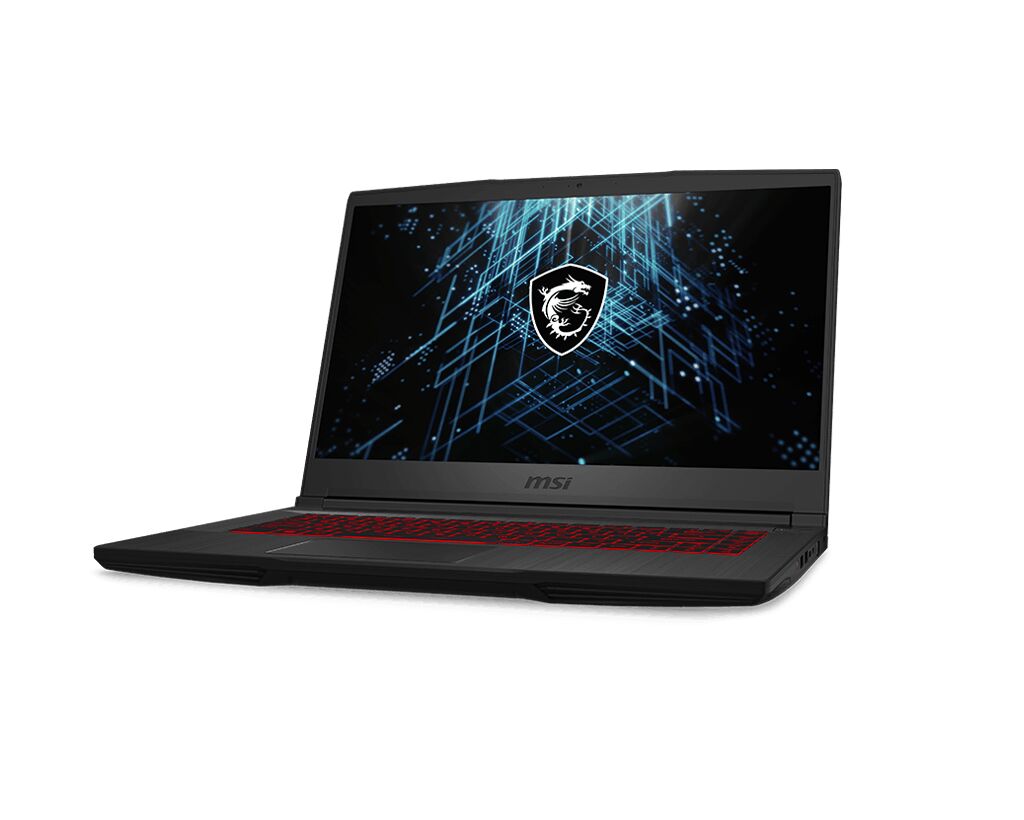
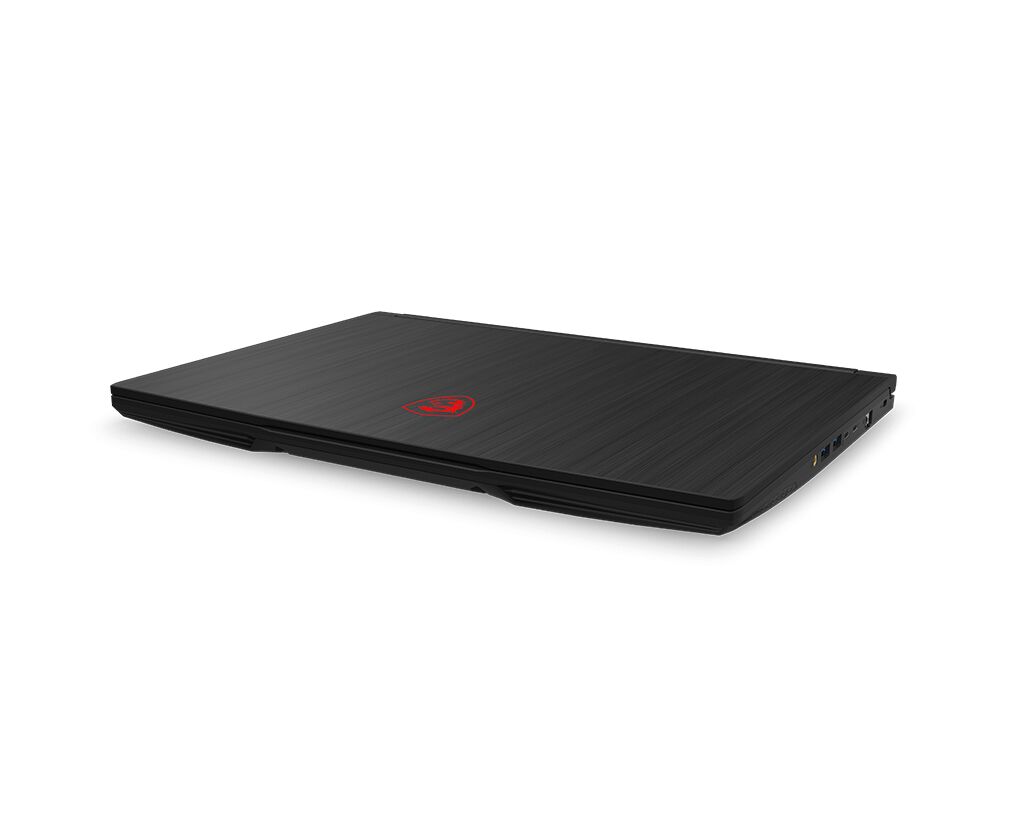
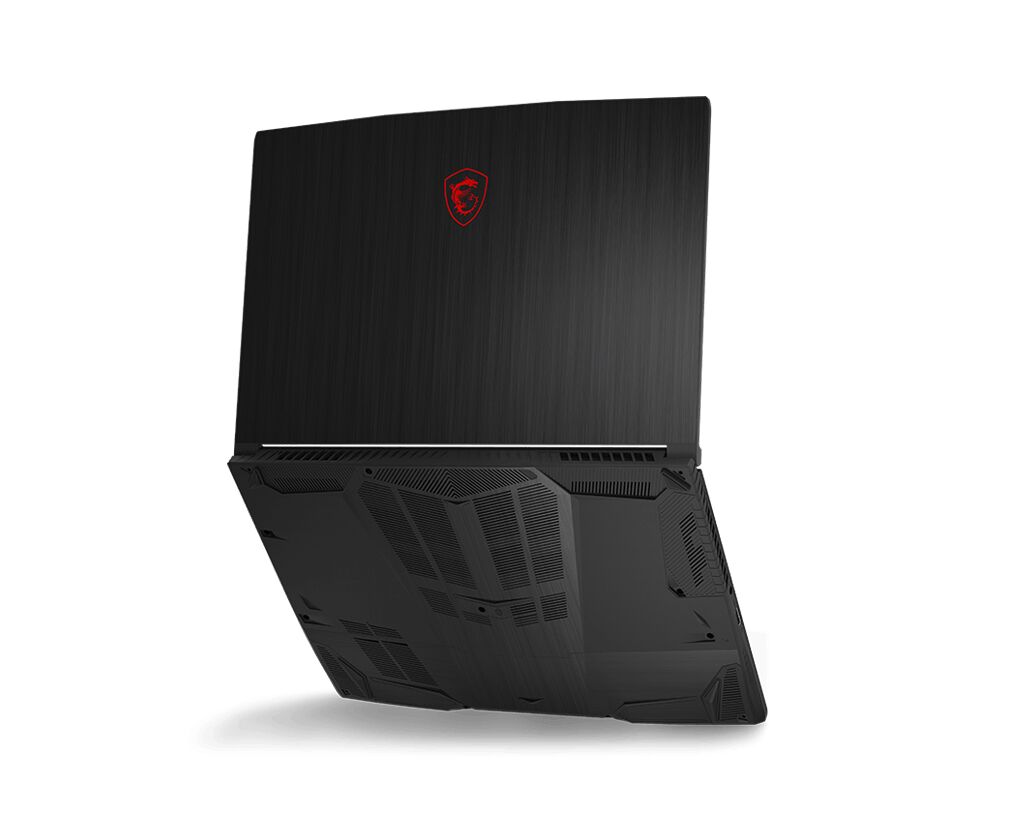
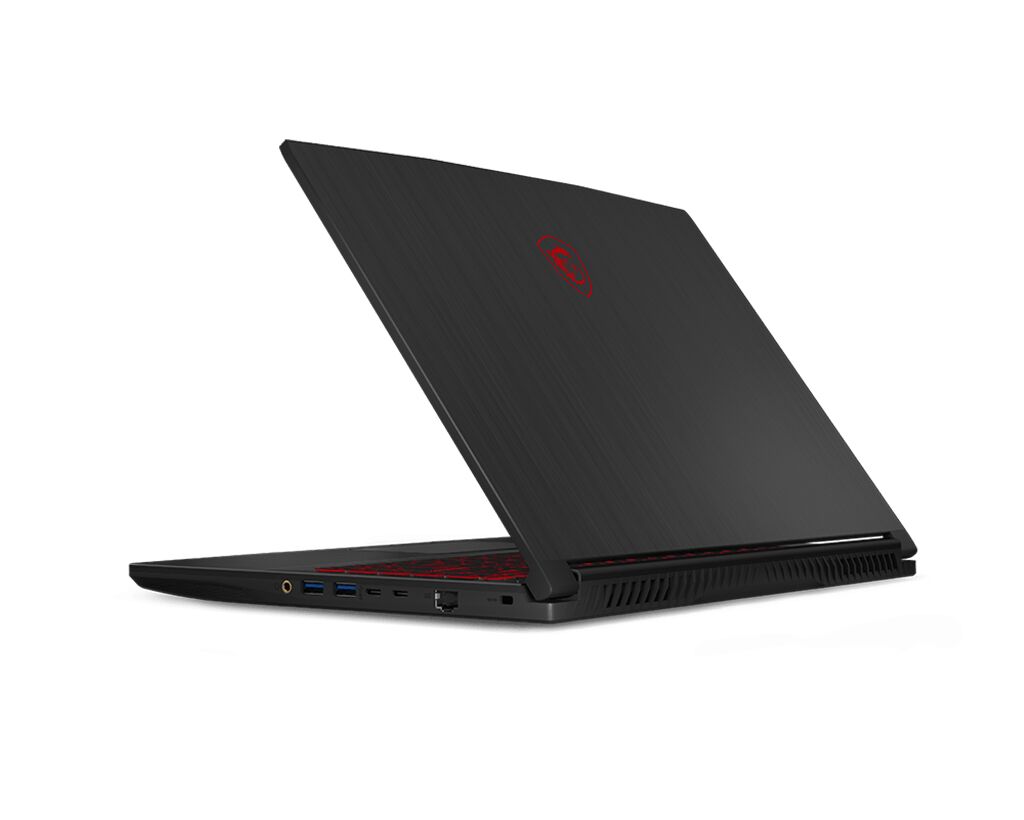
MSI GF63 11UC-861XES Thin gaming laptop supports DDR4-SDRAM memory upgrades through 2x SO-DIMM slots. Maximum compatible RAM capacity reaches 64 GB. Memory operates at 3200 MHz frequency. Upgrade specifications indicate SO-DIMM form factor compatibility for both slots. The GF series gaming model accommodates high-capacity memory configurations for enhanced multitasking and performance capabilities within the Gaming family specifications.
Memory Upgrade Specifications
| Specification | Value |
|---|---|
| Memory slots | 2x SO-DIMM |
| Form factor | SO-DIMM |
| Memory type | DDR4-SDRAM |
| Frequency | 3200 MHz |
| Maximum RAM | 64 GB |
| Voltage | 1.2V |
| Number of pins | 260-pin |
| Interface | PC4 |
| PC Speed Rating | PC4-3200 (PC4-25600) |
| Bandwidth | 25.6 GB/s |
| Laptop Release date | 13 May 2022 |
Additional Notes
- The MSI GF63 11UC-861XES Thin supports dual-channel memory architecture, which means paired identical modules will deliver approximately 2x bandwidth efficiency compared to single-module configurations for memory-intensive workloads.
- SO-DIMM form factor imposes strict physical constraints; replacement modules must not exceed 30 mm in height to avoid contact with internal heatsinks or fan assemblies during installation.
- DDR4-3200 MHz frequency represents the JEDEC standard for 11th-generation Intel processors in this class; third-party modules rated above 3200 MHz will operate at 3200 MHz due to memory controller firmware limitations and provide no performance advantage.
- Both memory slots occupy the same thermal zone beneath the keyboard deck; installing maximum-capacity modules (64 GB total) will increase ambient memory temperature by 8-12 degrees Celsius under sustained load, potentially reducing component lifespan by 5-10 percent.
- The 64 GB ceiling indicates unified memory bus width of 64 bits; swapping SO-DIMM modules with higher-capacity variants requires verification of module-specific CAS latency ratings, as latencies above CAS 18 may trigger BIOS compatibility warnings.
- Warranty coverage for memory upgrades using non-MSI modules typically remains valid only if replacement modules meet JEDEC specifications and cause no hardware damage; pre-upgrade documentation of existing module serial numbers is recommended for dispute resolution.
- Single-slot population will force the processor's integrated memory controller into single-channel mode, resulting in 40-50 percent bandwidth reduction compared to dual-channel operation; this performance penalty increases proportionally with CPU-to-graphics data transfer frequency.