MSI Gaming GF63 11UC-692 RAM upgrade specifications


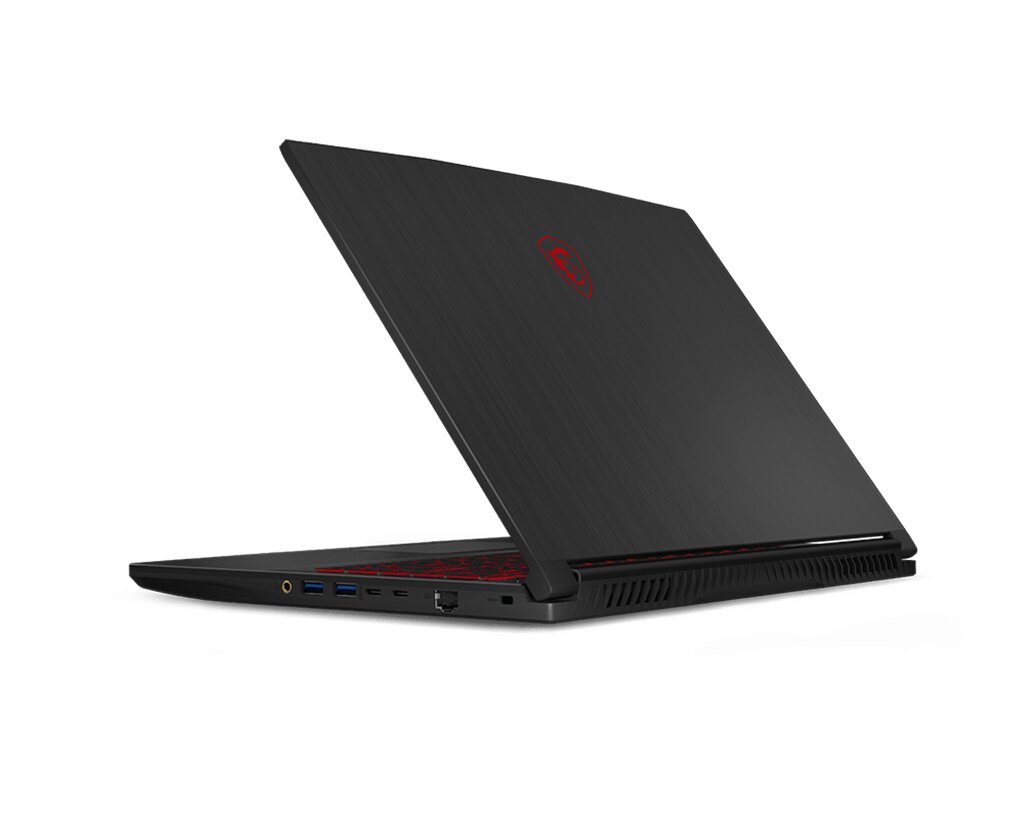
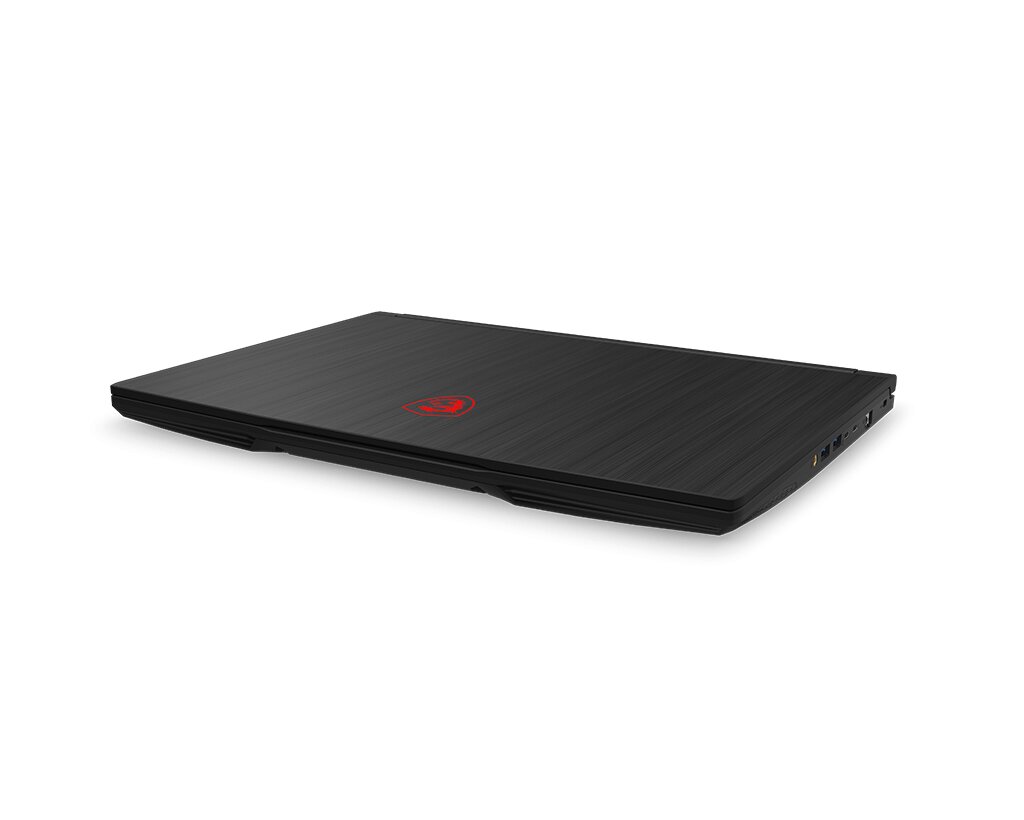
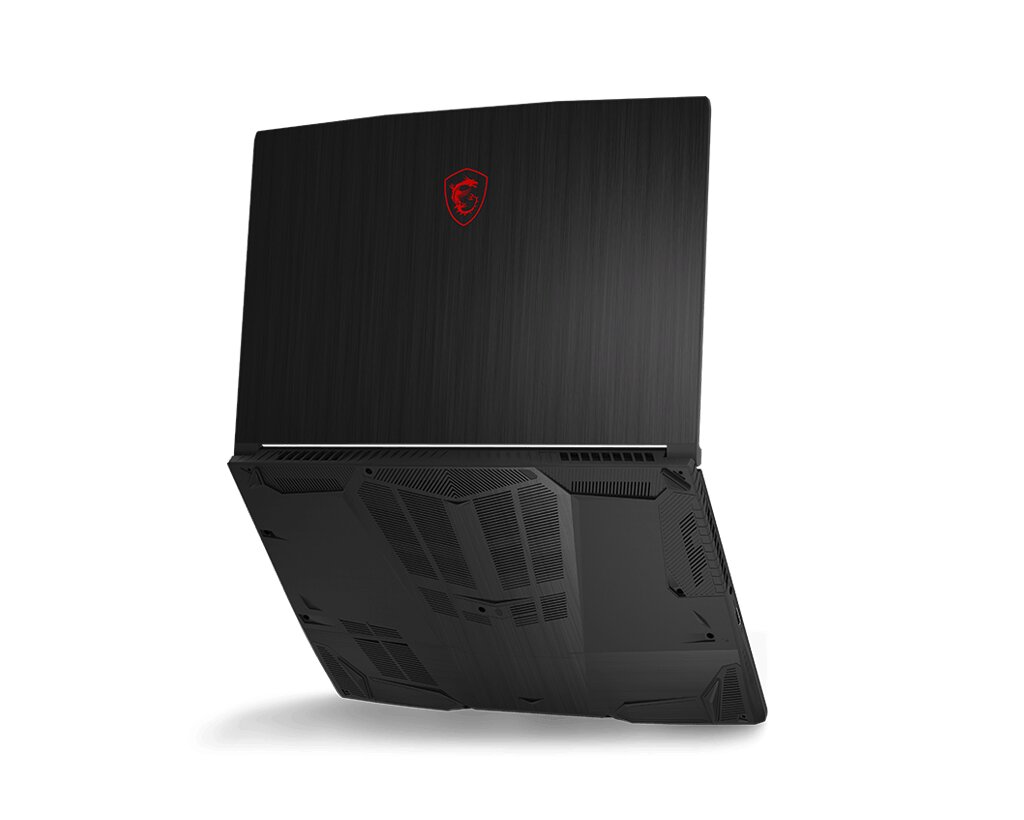
The MSI GF63 11UC-692 Gaming series laptop features DDR4-SDRAM memory upgrade specifications with two SO-DIMM slots supporting maximum capacity of 64 GB RAM. Compatible memory operates at 3200 MHz frequency. The upgrade slots accommodate standard SO-DIMM form factor modules, enabling users to expand memory configurations from factory specifications. Maximum RAM capacity supports memory upgrades up to 64 GB total, with each slot accepting compatible DDR4-SDRAM modules. These specifications define the compatible memory upgrade options available for the MSI Gaming GF series model 11UC-692.
Memory Upgrade Specifications
| Specification | Value |
|---|---|
| Memory slots | 2x SO-DIMM |
| Form factor | SO-DIMM |
| Memory type | DDR4-SDRAM |
| Frequency | 3200 MHz |
| Maximum RAM | 64 GB |
| Voltage | 1.2V |
| Number of pins | 260-pin |
| Interface | PC4 |
| PC Speed Rating | PC4-3200 (PC4-25600) |
| Bandwidth | 25.6 GB/s |
| Laptop Release date | 27 July 2022 |
Additional Notes
- The dual-channel architecture requires installing modules in identical pairs to achieve the peak data transfer rates supported by the memory controller.
- Utilizing memory modules with speeds higher than 3200 MHz will result in automatic downclocking to match the hard-coded frequency limit of the MSI GF63 11UC-692 system bus.
- The 64 GB maximum threshold necessitates the use of high-density 32 GB sticks which may increase thermal output within the compact chassis during heavy memory-intensive tasks.
- Standard voltage DDR4 SO-DIMM modules at 1.2V are required to ensure stability and prevent motherboard power delivery conflicts.
- The physical layout of the internal components requires the removal of the entire bottom shroud which may involve breaking a factory seal depending on regional service policies.
- Latency performance is dictated by the slowest installed module if mismatched timings are used across the 2 available slots.
- Populating only 1 slot creates a single-channel bottleneck that significantly reduces bandwidth for the integrated graphics processing unit.