MSI Gaming GF63 11UC-642 Thin RAM upgrade specifications
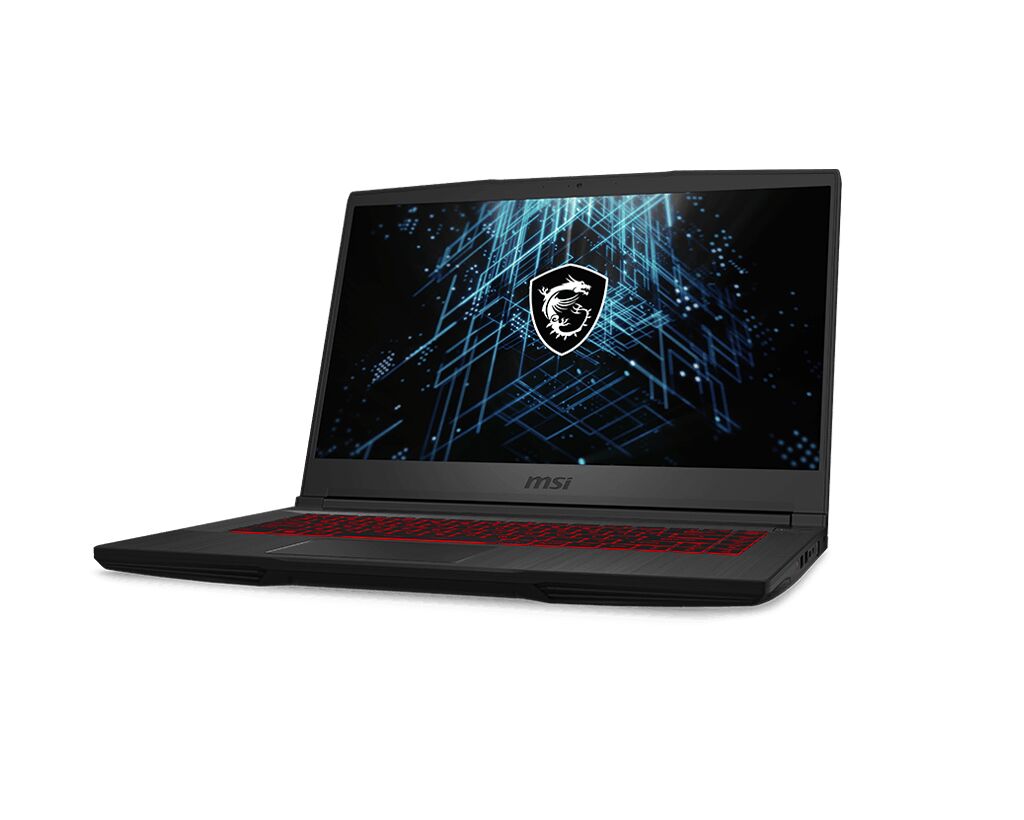
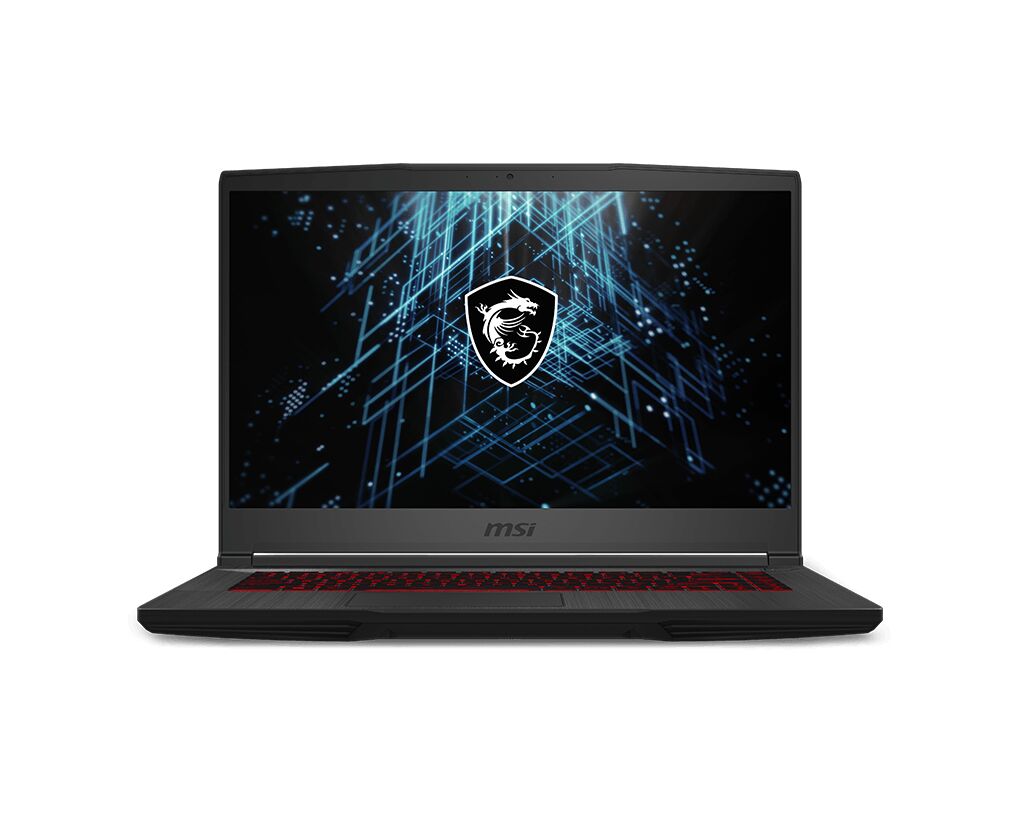
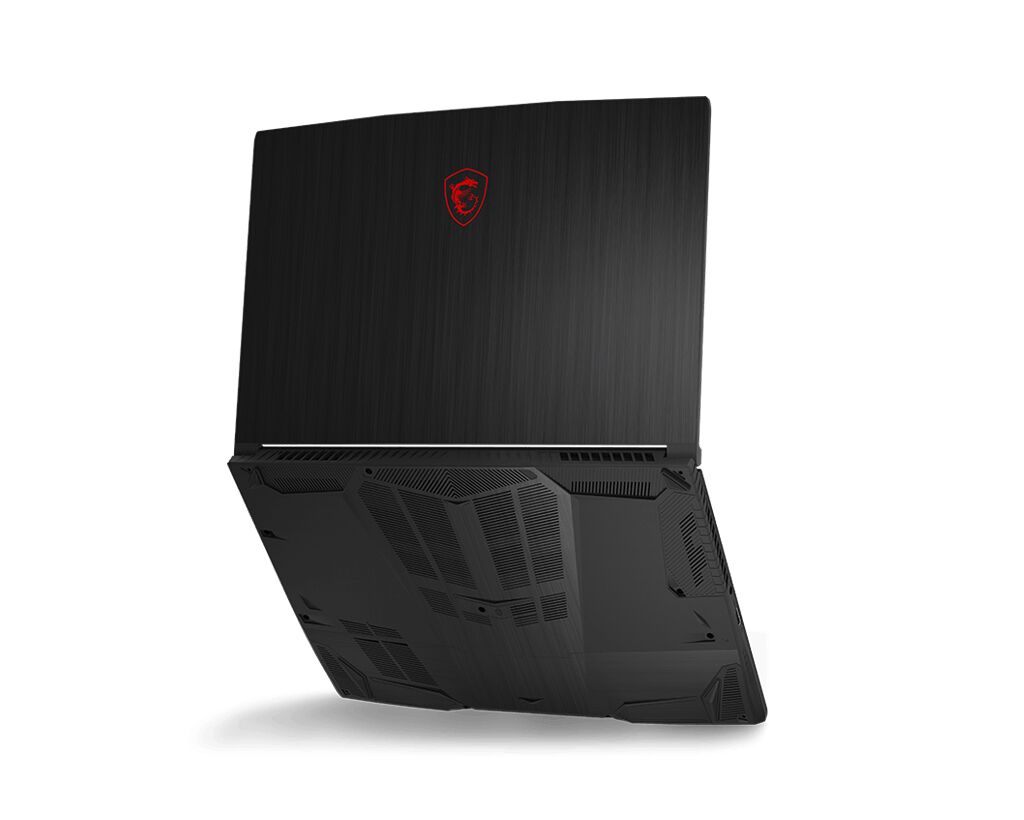
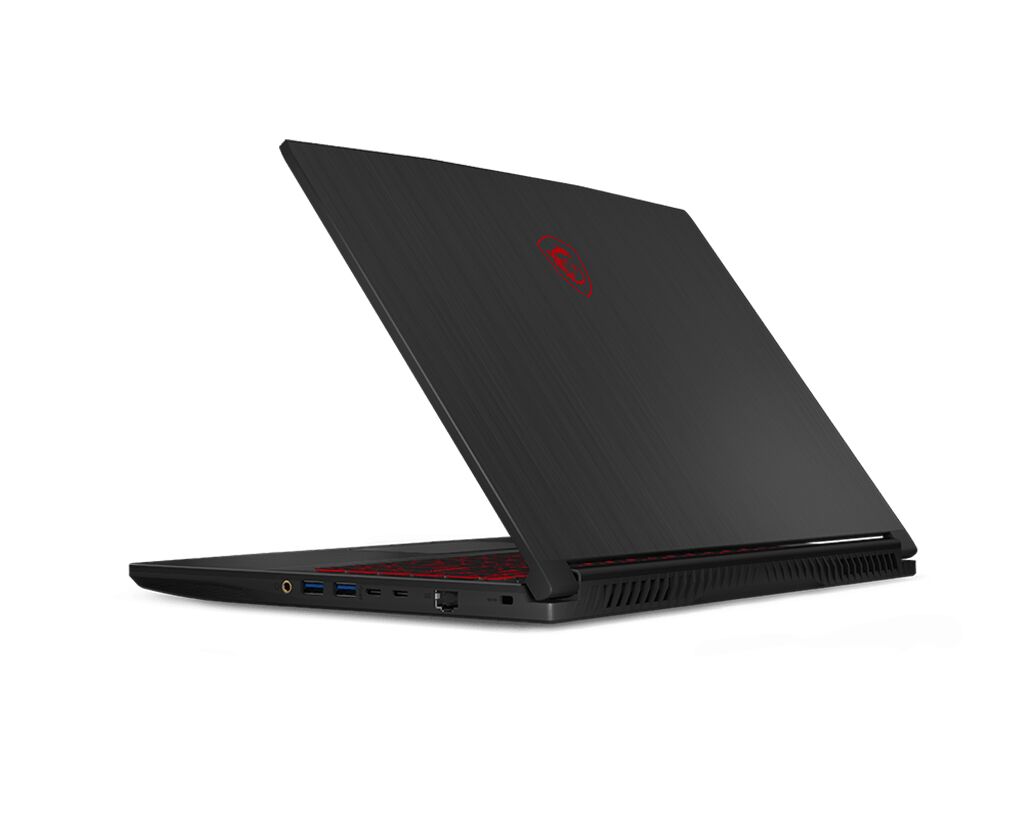
The MSI GF63 11UC-642 Thin gaming laptop features DDR4-SDRAM memory with 2x SO-DIMM slots supporting upgrades to a maximum capacity of 64 GB total RAM. The memory specifications include DDR4 modules operating at 3200 MHz frequency. Upgrade compatibility requires SO-DIMM form factor modules meeting MSI GF series specifications for the GF63 11UC-642 Thin model.
Memory Upgrade Specifications
| Specification | Value |
|---|---|
| Memory slots | 2x SO-DIMM |
| Form factor | SO-DIMM |
| Memory type | DDR4-SDRAM |
| Frequency | 3200 MHz |
| Maximum RAM | 64 GB |
| Voltage | 1.2V |
| Number of pins | 260-pin |
| Interface | PC4 |
| PC Speed Rating | PC4-3200 (PC4-25600) |
| Bandwidth | 25.6 GB/s |
| Laptop Release date | 22 June 2022 |
Additional Notes
- The MSI GF63 11UC-642 Thin utilizes SO-DIMM modules instead of standard DIMMs, requiring laptop-specific memory that is physically smaller and generally carries a price premium over desktop equivalents.
- Both memory slots support dual-channel architecture when populated with matched modules, potentially doubling memory bandwidth compared to single-channel configurations with unmatched capacities or speeds.
- Installing modules slower than 3200 MHz will force the entire system to operate at the lower frequency, while faster modules will be downclocked to match the chipset's maximum supported speed.
- Reaching the 64 GB ceiling requires two 32 GB SO-DIMM modules, which are significantly more expensive per gigabyte than lower-capacity options like 8 GB or 16 GB sticks.
- DDR4-3200 operates at 1.2 volts standard, but mixing voltage specifications with older DDR4 modules rated at 1.35 volts may cause stability issues or force the system to reject the higher-voltage module.
- The 11th generation Intel processor in this system supports JEDEC standard speeds up to 3200 MHz natively, meaning XMP profiles or overclocking beyond this frequency are typically unsupported in mobile platforms.
- Accessing the SO-DIMM slots typically requires removing the bottom panel, which may involve multiple screw types and careful cable management to avoid damaging ribbon connectors during the upgrade process.
- Upgrading from single-channel to dual-channel configuration can yield 10 to 30 percent performance gains in integrated graphics workloads and memory-intensive applications, though CPU-bound tasks see minimal improvement.
- Non-ECC unbuffered modules are the only compatible type for this consumer platform, as ECC or registered memory will either fail to boot or be rejected by the system firmware.
- Retaining the original modules while upgrading limits future expansion flexibility, as mismatched brands or timings between old and new modules can prevent the system from posting or cause intermittent stability issues.